

Your skin is the largest organ of your body and serves as a protective barrier against harmful environmental factors. It’s essential to care for it properly to maintain its health and appearance. While many people resort to expensive treatments or skincare products, there are simple, natural ways to improve your skin health without breaking the bank. The beauty of skincare lies in simplicity, and with just a few adjustments to your daily routine, you can achieve radiant, glowing skin at home.
Incorporating natural skin health tips at home can significantly enhance your complexion. Whether you’re dealing with dryness, acne, or signs of aging, home remedies can provide noticeable results. These tips not only improve the texture and tone of your skin but also keep it hydrated, balanced, and youthful. Regular skincare practices at home can help to detoxify your skin and make it more resilient against pollution, UV rays, and other harmful environmental factors.
The beauty of natural remedies is that they are free of harmful chemicals, making them suitable for most skin types, including sensitive skin. By following a few skin health tips at home, you can easily customize your routine to address your specific skin concerns. The key is consistency and patience. By staying committed to your skincare regimen and using the right ingredients, you can unlock the secret to glowing, healthy skin naturally.

What Are Skin Health Tips at Home?
Skin health tips at home involve simple, effective methods that support your skin’s natural healing process. These tips can range from lifestyle changes, diet adjustments, or topical applications, all aimed at improving the overall health and appearance of your skin. The primary goal is to nourish and protect your skin, rather than relying on expensive treatments that may not always be suitable for your skin type.
One of the most basic yet effective skin health tips at home is proper hydration. Drinking enough water throughout the day helps flush out toxins and keeps your skin hydrated from within. Hydration helps to maintain the elasticity and suppleness of your skin, preventing it from looking dry and dull. Additionally, using a good moisturizer after cleansing ensures that your skin retains the necessary moisture, making it soft and plump.
Another essential skin health tip at home is adopting a balanced diet rich in vitamins and antioxidants. Foods such as fruits, vegetables, nuts, and seeds are packed with nutrients that promote skin health. Incorporating foods like berries, spinach, and almonds into your meals can help combat free radicals, reduce inflammation, and slow down the aging process. These foods also support collagen production, which keeps your skin firm and smooth.
Why Are Skin Health Tips at Home Important?
Taking care of your skin at home allows you to avoid unnecessary exposure to chemicals and harsh treatments that could damage your skin in the long run. Many commercial skincare products contain preservatives, fragrances, and artificial ingredients that can cause irritation, acne, or allergic reactions. By focusing on natural skin health tips at home, you’re choosing a safer, more sustainable path to healthier skin.
Another reason skin health tips at home are so important is the cost-effectiveness. Professional facials, treatments, and high-end products can be expensive and are not always accessible for everyone. However, simple ingredients like honey, aloe vera, and olive oil can work wonders on your skin at a fraction of the cost. This makes it possible for anyone, regardless of their budget, to maintain healthy skin.
Furthermore, following skin health tips at home allows you to personalize your skincare routine to suit your skin’s needs. Everyone’s skin is different, and what works for one person may not work for another. By experimenting with different remedies and adjusting your routine as needed, you can find what works best for your skin type, whether it’s oily, dry, sensitive, or combination.
Skin Health Tips at Home: Detailed Points
Hydration for Healthy Skin

Hydration is one of the most fundamental skin health tips at home that can drastically improve the texture and appearance of your skin. When your body is well-hydrated, your skin remains plump, dewy, and glowing. Drinking at least eight glasses of water per day helps flush out toxins from your body and keeps your skin hydrated from within. Dehydrated skin can appear dry, flaky, and more prone to wrinkles. Water helps maintain the skin’s elasticity, making it look smoother and healthier.
Aside from drinking water, incorporating hydrating products into your skincare routine is essential. You can use moisturizers that contain hyaluronic acid, which pulls moisture into the skin and keeps it hydrated for longer periods. Hyaluronic acid is a powerful ingredient in many skin care products and can be found in serums, lotions, and face masks. Applying these after cleansing your skin locks in moisture and helps maintain a hydrated, youthful glow.
One of the easiest skin health tips at home is to take a few extra steps to enhance your hydration regimen. You can also infuse your water with hydrating fruits like cucumber, lemon, or watermelon to make it even more refreshing. Additionally, using a humidifier in your room helps prevent your skin from becoming dehydrated, especially in dry weather or air-conditioned environments. Maintaining proper hydration is essential for achieving smooth, glowing, and healthy skin, so make it a priority in your daily routine.
Healthy Diet for Skin Glow
A healthy, nutrient-rich diet is essential for promoting skin health, and it’s one of the most effective skin health tips at home. Foods high in antioxidants, such as fruits and vegetables, play a crucial role in protecting your skin from free radicals, which can cause premature aging. Antioxidants help neutralize these harmful molecules, reducing oxidative stress and preventing skin damage. Berries, tomatoes, spinach, and kale are all excellent sources of antioxidants that nourish the skin from within.
In addition to antioxidants, omega-3 fatty acids are essential for maintaining healthy skin. These healthy fats are found in foods like salmon, walnuts, and flaxseeds. Omega-3s help to strengthen the skin’s lipid barrier, which prevents moisture loss and keeps your skin hydrated and soft. A balanced intake of healthy fats is important for reducing skin inflammation, controlling acne, and maintaining an even skin tone.
Another vital component of a skin-boosting diet is vitamin C, which promotes collagen production. Collagen is the protein that gives your skin its structure and elasticity. Vitamin C-rich foods like oranges, strawberries, and bell peppers are great additions to your diet if you want to maintain skin’s firmness and combat wrinkles. These skin health tips at home can make a significant difference when incorporated into your daily eating habits, supporting your skin’s natural beauty and resilience.
Cleansing Routine
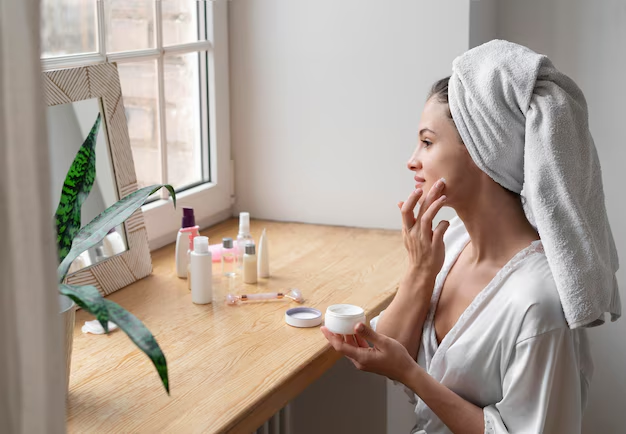
Proper cleansing is one of the most important skin health tips at home that helps maintain healthy, clear skin. The primary purpose of cleansing is to remove dirt, oil, and makeup that can clog pores and lead to acne or breakouts. Washing your face twice a day — once in the morning and once before bed — ensures that your skin stays free of impurities. It’s essential to use a gentle cleanser that suits your skin type, as harsh soaps can strip the skin of its natural oils, leading to dryness or irritation.
When selecting a cleanser, it’s important to choose one that matches your skin type. For example, if you have oily skin, look for a gel-based or foaming cleanser that helps control excess oil. For dry or sensitive skin, opt for a cream or lotion-based cleanser that is more moisturizing and less likely to cause irritation. Cleansing is not just about removing makeup; it’s about ensuring that your skin stays free from the buildup of pollutants, dead skin cells, and excess oils. These are essential skin health tips at home that contribute to a clearer, healthier complexion.
Incorporating a weekly exfoliation into your skincare routine is another vital step in keeping your skin clear and healthy. Exfoliating helps remove dead skin cells, promotes cell turnover, and allows your skin to breathe. Exfoliating scrubs with natural ingredients like oatmeal, sugar, or coffee are excellent choices for exfoliating at home. Make sure not to over-exfoliate, as this can irritate the skin. Cleansing and exfoliating are two key skin health tips at home that help prevent clogged pores and allow your skincare products to penetrate deeper, leaving you with smoother, more radiant skin.
Sun Protection
Sun protection is one of the most crucial skin health tips at home because exposure to harmful UV rays accelerates skin aging and increases the risk of skin cancer. UV radiation can cause dark spots, wrinkles, and even more serious conditions like melanoma. Therefore, applying sunscreen every day, regardless of whether you’re spending time outdoors, is essential for protecting your skin. Choose a broad-spectrum sunscreen with at least SPF 30 or higher to protect your skin from both UVA and UVB rays.
In addition to sunscreen, wearing protective clothing is another effective way to shield your skin from sun damage. Wearing wide-brimmed hats, sunglasses with UV protection, and lightweight long-sleeve shirts can provide an extra layer of defense against the sun. It’s also important to seek shade when possible, particularly during peak sun hours from 10 a.m. to 4 p.m. Incorporating these simple sun protection measures into your daily routine is one of the best skin health tips at home that can help maintain youthful skin for years to come.
Remember that sun protection isn’t limited to hot or sunny days. Even on cloudy days, UV rays can penetrate the skin, causing damage over time. Thus, applying sunscreen year-round is a key step in any skincare routine. Consistent sun protection is the foundation of long-term skin health, preventing premature aging, wrinkles, and dark spots. It’s one of the most effective skin health tips at home that helps preserve your skin’s natural glow and youthfulness.
Natural Face Masks
Essential oils are a powerful addition to your skincare routine and provide numerous skin health tips at home benefits. These oils contain potent plant extracts that can improve skin health by soothing inflammation, fighting acne, and promoting skin regeneration. Tea tree oil, for example, is known for its antibacterial properties and can help treat acne by reducing inflammation and killing bacteria on the skin’s surface. Lavender oil is another popular choice due to its calming effects, making it perfect for reducing skin redness and irritation.
In addition to acne treatment, essential oils like rosehip oil are rich in antioxidants and essential fatty acids that help regenerate skin cells and reduce the appearance of scars. Rosehip oil contains vitamin A, which boosts collagen production, making it an excellent anti-aging solution. When using essential oils, always dilute them with a carrier oil like coconut or jojoba oil to prevent irritation. Incorporating these oils into your routine is one of the best skin health tips at home, ensuring smoother, healthier skin. These oils offer a natural way to support skin health and are highly effective for maintaining a glowing complexion.
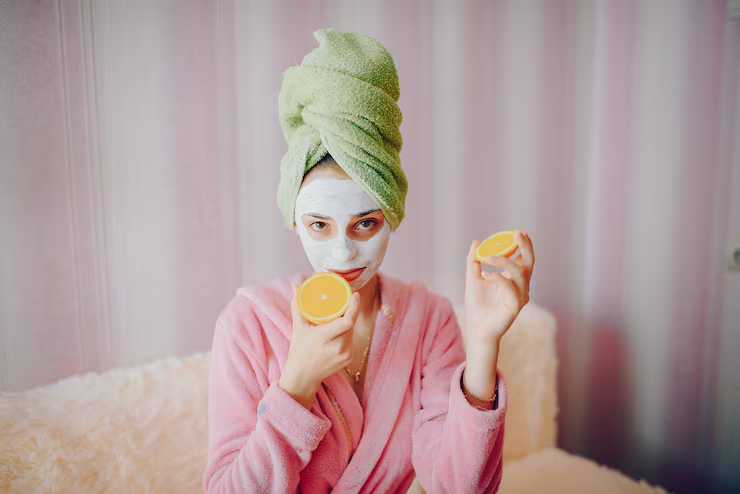
Clay masks are also excellent for detoxifying and purifying the skin. Bentonite clay, in particular, is great for absorbing excess oil, unclogging pores, and preventing acne. If you have oily or acne-prone skin, applying a clay mask once a week can help balance oil production and clear out impurities. Incorporating natural face masks into your routine is one of the best skin health tips at home that provides immediate results and long-term benefits.
Essential Oils for Skin
Essential oils are a powerful addition to your skincare routine and provide numerous skin health benefits. These oils contain potent plant extracts that can improve skin health by soothing inflammation, fighting acne, and promoting skin regeneration. Tea tree oil, for example, is known for its antibacterial properties and can help treat acne by reducing inflammation and killing bacteria on the skin’s surface. Lavender oil is another popular choice due to its calming effects, making it perfect for reducing skin redness and irritation.
In addition to acne treatment, essential oils like rosehip oil are rich in antioxidants and essential fatty acids that help regenerate skin cells and reduce the appearance of scars. Rosehip oil contains vitamin A, which boosts collagen production, making it an excellent anti-aging solution. When using essential oils, always dilute them with a carrier oil like coconut or jojoba oil to prevent irritation.
Incorporating essential oils into your skincare routine is simple. You can add a few drops to your daily moisturizer or use them in homemade face masks or serums. They’re versatile and can be customized to suit your skin’s specific needs. These skin health tips at home can enhance your skincare regimen and offer natural solutions for clearer, healthier skin.
Stress Management for Clear Skin

Stress is one of the leading causes of skin problems, and managing it effectively is one of the key skin health tips at home. Stress triggers the release of cortisol, a hormone that can increase oil production and lead to clogged pores, resulting in acne and breakouts. Chronic stress can also exacerbate other skin conditions like eczema and psoriasis. Therefore, managing stress is crucial for maintaining clear, healthy skin.
There are various ways to manage stress, and adopting a routine that includes relaxation techniques can be highly beneficial for your skin. Practices like yoga, meditation, and deep breathing exercises help calm the nervous system, reduce cortisol levels, and promote skin healing. Taking regular breaks, exercising, and spending time outdoors also support mental well-being, which in turn positively impacts your skin health.
Making stress management a priority in your daily life is one of the most effective skin health tips at home. Reducing stress can prevent flare-ups, improve your complexion, and give your skin a more youthful and clear appearance. Don’t underestimate the power of a calm mind for clear, glowing skin!
Adequate Sleep for Skin Health
Getting enough sleep is essential for skin regeneration and repair. During deep sleep, your body produces collagen and repairs damaged skin cells, which helps maintain a youthful, glowing complexion. Sleep deprivation can lead to skin issues like dark circles, puffiness, and dullness, making it crucial to prioritize a good night’s sleep as part of your skincare routine.
Aiming for 7-9 hours of quality sleep each night allows your skin to regenerate properly. Try to establish a bedtime routine that promotes relaxation, such as turning off screens an hour before bed, using calming essential oils, and ensuring your bedroom is conducive to restful sleep. This will not only improve your mood but also enhance your skin’s health.
Adequate sleep is a cornerstone of effective skin health tips at home. By allowing your skin to recover overnight, you ensure that it stays smooth, clear, and youthful for the long term. Sleeping well isn’t just good for your health—it’s also essential for glowing skin.
Conclusion
In conclusion, taking care of your skin doesn’t have to be complicated or expensive. By incorporating skin health tips at home, you can enhance your skin’s appearance and maintain its health without relying on harsh chemicals or expensive treatments. Simple habits such as staying hydrated, eating nutrient-rich foods, and protecting your skin from the sun can go a long way in promoting glowing, youthful skin.
Consistency is key when it comes to skincare. Whether it’s using natural face masks, incorporating essential oils, or practicing stress management, each step contributes to healthier, more radiant skin. Remember that skincare is a journey, not a quick fix, and the benefits of a home-based routine will reflect over time.
Ultimately, the best way to achieve and maintain healthy skin is by embracing a holistic approach that nurtures your skin both inside and out. From hydration to a balanced diet and stress management, every effort you make will lead to healthier, more radiant skin. Keep following these skin health tips at home, and you’ll see the positive changes in your complexion.
FAQ’s
Q1. What are the best natural skin health tips at home?
Some of the best natural skin health tips at home include staying hydrated, eating a balanced diet, using natural face masks, applying sunscreen, and incorporating essential oils into your skincare routine. These tips are simple, cost-effective, and can help you maintain healthy, glowing skin.
Q2. How can I get glowing skin naturally at home?
To get glowing skin naturally at home, make sure to follow a skincare routine that includes cleansing, moisturizing, and protecting your skin from the sun. Additionally, eating nutrient-rich foods, drinking plenty of water, and using natural masks can enhance your skin’s radiance and overall health.
Q3. What foods are good for skin health?
Foods rich in antioxidants, such as berries, tomatoes, and leafy greens, are excellent for skin health. Omega-3 fatty acids, found in salmon, walnuts, and flaxseeds, are also beneficial for maintaining skin hydration and preventing dryness. These foods nourish the skin from within.
Q4. Can essential oils improve skin health?
Yes, essential oils like tea tree oil, lavender oil, and rosehip oil can improve skin health. Tea tree oil helps combat acne, lavender oil soothes irritation, and rosehip oil promotes skin healing. Always dilute essential oils with a carrier oil before applying them to the skin.
Q5. How does stress affect skin health?
Stress can lead to skin problems like acne, eczema, and rosacea. When you’re stressed, your body produces more cortisol, a hormone that can cause inflammation and skin flare-ups. Managing stress through relaxation techniques like meditation can improve skin health and prevent stress-related skin issues.