
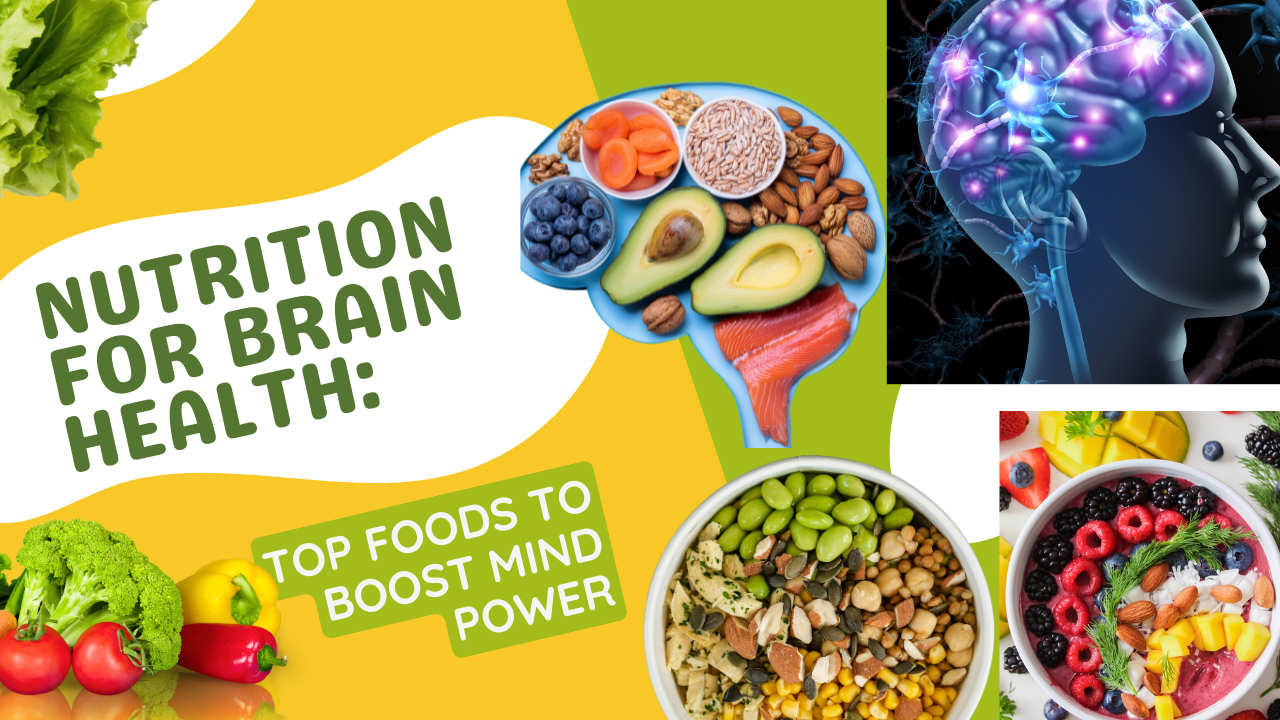
Maintaining sharp memory, quick thinking, and mental clarity is essential for success in work, studies, and personal life. Nutrition for brain health plays a critical role in supporting cognitive function, improving mood, and preventing age-related mental decline. While genetics and lifestyle factors certainly impact brain performance, what you eat can be a game-changer in keeping your mind healthy and active. Proper nutrition fuels your brain, strengthens neural connections, and protects against diseases like Alzheimer’s and dementia.
The human brain is a powerhouse that consumes nearly 20% of the body’s energy. To keep it functioning optimally, it needs a steady supply of nutrients such as omega-3 fatty acids, antioxidants, vitamins, and minerals. Nutrition for brain health provides these essential elements, which not only enhance memory and concentration but also help manage stress and maintain emotional balance. Eating a diet rich in brain-boosting foods ensures that neurotransmitters—chemicals responsible for transmitting signals in the brain—work efficiently, improving everything from learning abilities to decision-making skills.
Adopting a diet that supports nutrition for brain health is not just about eating certain “superfoods.” It involves creating a balanced approach to your overall lifestyle. Combining nutrient-rich meals with regular physical activity, proper hydration, and adequate sleep can help keep your mind sharp for years to come. By making small but powerful changes to your eating habits, you can protect your brain’s health while improving your overall well-being.
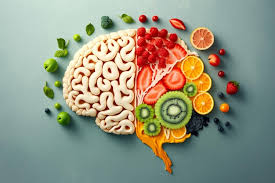
What Is Nutrition for Brain Health? 🌿💡
Nutrition for brain health refers to the practice of consuming specific nutrients, vitamins, and minerals that nourish and protect the brain. Your brain needs more than just calories to function; it thrives on high-quality, nutrient-dense foods that fuel its complex processes. Nutrients such as omega-3 fatty acids, antioxidants, vitamin B12, vitamin D, and magnesium support the creation of new brain cells, improve synaptic connections, and regulate neurotransmitter activity. These nutrients act as the building blocks for memory, focus, and learning.
When you prioritize nutrition for brain health, you provide your brain with the tools it needs to repair damage, fight inflammation, and prevent premature aging. For example, omega-3 fatty acids found in fatty fish like salmon are essential for maintaining the fluidity of brain cell membranes, while antioxidants from berries help combat oxidative stress that can damage brain cells. A diet rich in leafy greens, whole grains, nuts, and seeds ensures that your brain receives a steady supply of vitamins and minerals to function at its best.
Unlike fad diets or quick fixes, nutrition for brain health is a long-term commitment to nourishing your mind. It’s about incorporating brain-friendly foods into your daily routine to protect your memory, enhance problem-solving skills, and promote overall mental well-being. Whether you’re a student aiming to improve academic performance, a professional managing daily stress, or an older adult seeking to preserve memory, focusing on nutrition can significantly improve your cognitive health over time.
Why Is Nutrition for Brain Health Important? 💪🧩
The importance of nutrition for brain health cannot be overstated. Your brain is an incredibly active organ that requires a constant flow of nutrients to perform tasks like thinking, learning, and decision-making. A poor diet high in processed foods, sugar, and unhealthy fats can impair brain function, leading to memory loss, fatigue, and even depression. On the other hand, a nutrient-rich diet provides the fuel needed to maintain cognitive strength, improve mood, and enhance focus.
A well-balanced diet supports the production of neurotransmitters, the chemical messengers that regulate mood, memory, and mental clarity. Nutrients such as vitamin B6, folate, and choline are vital for producing acetylcholine, a neurotransmitter that supports learning and memory. Consuming foods rich in these nutrients ensures that your brain remains sharp and adaptable, even under stress. This makes nutrition for brain health essential for everyone—from young adults to seniors.
Moreover, prioritizing nutrition for brain health can help prevent neurodegenerative diseases such as Alzheimer’s and Parkinson’s. Antioxidant-rich foods fight inflammation, while omega-3 fatty acids protect against cognitive decline by strengthening neural pathways. With the right dietary choices, you can reduce the risk of mental fatigue and age-related brain disorders, ensuring long-term mental resilience and vitality.
Top Foods for Nutrition for Brain Health 🍓🥜🐟
Incorporating the right foods into your diet is the easiest way to boost nutrition for brain health. Below are ten powerful foods that can enhance memory, improve focus, and protect against cognitive decline:
Fatty Fish (Salmon, Mackerel, Sardines) 🐟

Fatty fish like salmon, mackerel, and sardines are among the most powerful foods for nutrition for brain health. These fish are rich in omega-3 fatty acids, which are essential for building and repairing brain cells. Omega-3s play a vital role in improving memory, enhancing learning ability, and maintaining mental sharpness. Consuming fatty fish at least twice a week provides the necessary DHA and EPA—types of omega-3s that directly support cognitive function.
Research shows that people who regularly eat fatty fish have higher gray matter in the brain, which is linked to memory and emotion control. Including fatty fish in your diet helps prevent age-related cognitive decline and reduces the risk of Alzheimer’s disease. The anti-inflammatory properties of omega-3s protect brain cells from damage caused by oxidative stress.
For the best results in nutrition for brain health, grill or bake fish instead of frying to preserve their natural nutrients. Pairing fatty fish with leafy greens or whole grains makes a brain-boosting meal that enhances both physical and mental vitality.
Blueberries 🍇
Blueberries are often called “brain berries” because they are loaded with antioxidants that support nutrition for brain health. The high levels of anthocyanins in blueberries fight oxidative stress and reduce inflammation—two key factors that can lead to aging-related brain disorders. Regular consumption of blueberries can improve communication between brain cells and boost memory retention.
Studies reveal that people who eat blueberries regularly experience better cognitive performance and improved learning abilities. The antioxidants in blueberries also protect neurons from free radical damage, promoting long-term brain health. They can even help delay mental aging and slow down the decline in brain function often seen in older adults.
Adding blueberries to your daily diet is easy and delicious. You can mix them into smoothies, sprinkle them over oatmeal, or eat them as a snack. This simple habit supports nutrition for brain health while providing a natural burst of sweetness and energy.
Leafy Greens (Spinach, Kale, Broccoli) 🥬
Leafy greens such as spinach, kale, and broccoli are powerhouse foods for nutrition for brain health. They contain essential nutrients like vitamin K, lutein, and folate, which are critical for slowing cognitive decline and improving memory. Vitamin K, in particular, supports the formation of sphingolipids, a type of fat that protects brain cells and keeps them functioning efficiently.
Regular consumption of leafy greens has been linked to a sharper mind and better mental agility. Folate in these vegetables aids in neurotransmitter production, which regulates mood and supports learning abilities. Lutein, another key nutrient, protects against oxidative stress and keeps neurons healthy, reducing the risk of age-related memory loss.
Incorporating leafy greens into your meals is simple and versatile. You can add them to salads, soups, stir-fries, or smoothies. Consuming a variety of greens every day is one of the easiest ways to boost nutrition for brain health naturally.
Walnuts 🌰
Walnuts are an excellent source of plant-based omega-3 fatty acids, making them a key food for nutrition for brain health. They are packed with vitamin E, polyphenols, and antioxidants that protect brain cells from oxidative damage. These nutrients improve mental clarity, memory retention, and problem-solving skills while reducing inflammation in the brain.
Research suggests that eating a handful of walnuts daily can significantly improve cognitive function and mood. The high levels of alpha-linolenic acid (ALA) in walnuts support blood flow to the brain, ensuring that neurons receive adequate oxygen and nutrients. This makes walnuts an ideal snack for students, professionals, and older adults seeking to preserve memory and focus.
Walnuts are incredibly versatile. You can eat them raw, mix them into salads, or add them to baked goods for a brain-friendly treat. Including walnuts in your diet is a tasty and effective way to strengthen nutrition for brain health every day.
Avocados 🥑
Avocados are rich in monounsaturated fats, which support healthy blood flow to the brain and enhance nutrition for brain health. Good blood circulation ensures that the brain receives enough oxygen and nutrients to function at its peak. These creamy fruits are also loaded with potassium and vitamin K, which protect against blood clots and reduce the risk of stroke.
In addition to promoting better circulation, avocados contain antioxidants like lutein, which help reduce inflammation and oxidative stress in brain tissues. This supports memory, focus, and learning ability, making avocados a perfect food for students and professionals. The combination of healthy fats and vitamins helps maintain brain flexibility and slows cognitive decline as you age.
Adding avocados to your meals is easy. You can enjoy them in salads, sandwiches, or smoothies. Regular consumption of avocados provides long-term benefits for nutrition for brain health while supporting overall heart and body wellness.
Dark Chocolate 🍫

Dark chocolate is not only delicious but also an excellent food for nutrition for brain health. It contains flavonoids, caffeine, and antioxidants that enhance memory, improve mood, and increase focus. Flavonoids in dark chocolate boost blood flow to the brain, which supports cognitive functions and protects against age-related memory loss.
Eating a small amount of dark chocolate regularly has been shown to improve reaction times, learning abilities, and problem-solving skills. The natural caffeine content provides an energy boost and increases alertness, making it an ideal snack during study sessions or work hours. The antioxidants in dark chocolate also protect brain cells from oxidative damage.
For maximum benefits, choose dark chocolate with at least 70% cocoa content and minimal added sugar. A small piece of high-quality dark chocolate is a sweet and satisfying way to support nutrition for brain health while satisfying your cravings.
Whole Grains 🌾
Whole grains such as oats, quinoa, brown rice, and whole wheat are excellent sources of glucose, the primary energy source for the brain. Stable glucose levels are essential for maintaining concentration and preventing mental fatigue, making whole grains a key component of nutrition for brain health.
Unlike refined grains, whole grains release energy slowly, ensuring a steady supply of fuel for brain cells throughout the day. This helps maintain focus, improve memory retention, and reduce the risk of cognitive decline. The high fiber content also supports heart health, which is closely linked to optimal brain function.
Incorporate whole grains into your daily meals by choosing whole-wheat bread, brown rice, or oatmeal. Pairing them with vegetables or protein-rich foods enhances their nutritional value and provides balanced energy, supporting nutrition for brain health in a natural and sustainable way.
Pumpkin Seeds 🎃
Pumpkin seeds are a nutrient-dense snack packed with magnesium, zinc, iron, and copper, all of which are essential for nutrition for brain health. These minerals support nerve signaling, improve memory, and protect against cognitive decline. Magnesium, in particular, plays a key role in learning and memory by regulating electrical activity in the brain.
Zinc enhances communication between brain cells, while iron ensures proper oxygen delivery to neurons. Copper supports neurotransmitter production, which is vital for mood regulation and mental clarity. Eating a handful of pumpkin seeds daily provides a concentrated dose of these essential minerals, helping to keep your mind sharp.
Pumpkin seeds are easy to include in your diet. You can enjoy them roasted as a snack, sprinkle them over salads, or add them to smoothies. Their rich nutrient profile makes them one of the best foods for supporting nutrition for brain health naturally.
Turmeric 🌿
Turmeric is a powerful spice known for its active compound, curcumin, which offers remarkable benefits for nutrition for brain health. Curcumin crosses the blood-brain barrier, allowing it to directly reduce inflammation and fight oxidative damage in brain tissues. This helps protect against cognitive decline and improves overall brain function.
Regular consumption of turmeric has been linked to enhanced memory, better mood, and increased production of brain-derived neurotrophic factor (BDNF), a hormone that supports the growth of new neurons. This makes turmeric particularly valuable for reducing the risk of neurodegenerative diseases like Alzheimer’s and Parkinson’s.
Add turmeric to your diet by mixing it into soups, curries, teas, or smoothies. Pairing it with black pepper enhances absorption, ensuring maximum benefits for nutrition for brain health. Its natural anti-inflammatory properties make it a must-have spice for lifelong mental vitality.
Eggs 🍳
Eggs are a powerhouse of nutrients that directly support nutrition for brain health. They are rich in choline, a nutrient essential for producing acetylcholine—a neurotransmitter responsible for memory and mood regulation. Choline also plays a role in brain development and protects against age-related cognitive decline.
In addition to choline, eggs provide high-quality protein, B vitamins, and antioxidants like lutein and zeaxanthin. These nutrients work together to improve mental clarity, sharpen focus, and support overall brain performance. Eating eggs regularly helps maintain steady energy levels and supports neurotransmitter activity.
Enjoy eggs boiled, scrambled, or in omelets for a versatile and brain-friendly meal. Whether eaten for breakfast or as a snack, eggs are one of the simplest and most effective foods to include in your diet for long-lasting nutrition for brain health.
Adding these foods to your meals supports nutrition for brain health and ensures your brain stays nourished throughout the day.
Key Nutrients Essential for Nutrition for Brain Health 🧠💧
To optimize nutrition for brain health, focus on specific nutrients that fuel brain activity:
Omega-3 Fatty Acids: Improve communication between brain cells and reduce inflammation.
Antioxidants (Vitamin C, Vitamin E): Protect against oxidative stress and cell damage.
B Vitamins (B6, B12, Folate): Support neurotransmitter production and DNA repair.
Magnesium: Regulates nerve signals and supports learning and memory.
Choline: Boosts memory and enhances brain development.
Vitamin D: Improves mood and protects against cognitive decline.
Ensuring your diet includes these nutrients strengthens neural connections, enhances focus, and keeps your brain healthy for the long term.
Lifestyle Tips to Support Nutrition for Brain Health 🌅🏋️♀️
While eating the right foods is essential, combining nutrition for brain health with healthy lifestyle choices ensures maximum benefits. Here are some proven tips:
💦 Stay Hydrated: Drink at least 8–10 glasses of water daily to keep your brain cells functioning optimally.
🏃♂️ Exercise Regularly: Physical activity improves blood flow to the brain and stimulates growth of new neurons.
😴 Get Quality Sleep: Adequate rest helps consolidate memories and repair brain tissue.
🧘♀️ Practice Mindfulness: Meditation and stress management reduce cortisol levels and protect mental health.
🚫 Limit Processed Foods: Avoid refined sugars, trans fats, and artificial additives that damage brain cells.
By combining these habits with a nutrient-rich diet, you create a powerful foundation for lifelong cognitive health.
Conclusion

Your brain is your most valuable asset, and protecting it starts with making the right dietary choices. By focusing on nutrition for brain health, you supply your mind with the fuel it needs to stay sharp, focused, and resilient against the effects of aging. A diet rich in omega-3 fatty acids, antioxidants, vitamins, and minerals promotes better memory, clearer thinking, and improved mood, ensuring you stay mentally strong throughout life.
Incorporating simple changes—like adding fatty fish, blueberries, and leafy greens to your meals—can transform your cognitive performance. Pair these foods with lifestyle habits such as regular exercise, proper sleep, and stress management for maximum benefits. The synergy of good nutrition and healthy living creates an unbeatable formula for mental clarity and long-term brain health.
Remember, it’s never too late to prioritize nutrition for brain health. Whether you’re a student, a busy professional, or a senior, adopting a brain-healthy diet will enhance your quality of life, sharpen your memory, and help you stay mentally active for years to come. Start today, and let your brain thrive with the power of nutrition. 🧠💪
FAQs❓💡
Q1. How does nutrition for brain health improve memory and focus?
Nutrition for brain health enhances memory and focus by providing essential nutrients like omega-3 fatty acids, antioxidants, and B vitamins. These nutrients support neurotransmitter production, reduce inflammation, and protect brain cells, ensuring better communication between neurons and sharper cognitive performance over time.
Q2. Can nutrition for brain health prevent Alzheimer’s disease?
While no diet can completely prevent Alzheimer’s, proper nutrition for brain health significantly lowers risk factors. Foods rich in antioxidants, omega-3s, and vitamins protect against oxidative damage, improve neural plasticity, and slow cognitive decline, thereby reducing the chances of developing Alzheimer’s or other neurodegenerative conditions.
Q3. How often should I include brain-boosting foods in my diet?
For optimal nutrition for brain health, incorporate brain-boosting foods like fatty fish, berries, and leafy greens daily. Consistency matters because the brain requires a steady supply of nutrients to maintain neurotransmitter balance, support memory formation, and enhance focus and problem-solving abilities over the long term.
Q4. Are supplements necessary for nutrition for brain health?
Supplements can be helpful if you have deficiencies, but a balanced diet remains the best source of nutrition for brain health. Whole foods provide a natural combination of nutrients and antioxidants that work together to improve brain function, whereas supplements should only be used to fill specific nutritional gaps.
Q5. Does drinking enough water affect nutrition for brain health?
Yes, hydration is a key component of nutrition for brain health. Water supports proper circulation of nutrients to brain cells, removes toxins, and maintains electrolyte balance. Dehydration can cause brain fog, memory issues, and fatigue, so staying hydrated is essential for maintaining sharp cognitive function.