
Maintaining optimal heart health is essential for longevity, energy, and overall well-being. The heart is the body’s central engine, pumping blood, oxygen, and nutrients to every organ. Neglecting cardiovascular health can lead to serious conditions like heart attacks, hypertension, and strokes. Adopting a proactive approach ensures your heart functions efficiently throughout life.
A combination of diet, exercise, lifestyle habits, and regular monitoring forms the foundation of strong heart health. Nutrient-rich foods, such as fruits, vegetables, whole grains, and lean proteins, provide antioxidants and essential nutrients that protect the heart from oxidative stress and inflammation. Incorporating these foods into your daily routine strengthens blood vessels, lowers cholesterol, and improves circulation.
Moreover, heart health is closely tied to mental and emotional well-being. Stress, anxiety, and poor sleep can elevate blood pressure and damage cardiovascular tissues. By embracing balanced nutrition, consistent physical activity, and mindfulness practices, you can safeguard your heart while improving overall vitality, energy levels, and quality of life. 💪

What Is Heart Health?
Heart health refers to the overall condition and functionality of the heart and the circulatory system. It involves efficient blood flow, proper heart rate, balanced cholesterol, and regulated blood pressure. A healthy heart reduces the risk of cardiovascular diseases, enhances stamina, and supports daily physical and mental performance.
Key components of heart health include healthy arteries, strong heart muscles, and optimal lipid levels. Maintaining these components prevents plaque buildup, arterial stiffness, and blood clots, reducing the risk of heart attacks and strokes. Nutritional choices, such as omega-3-rich fish, fiber-packed grains, and antioxidant-rich fruits, contribute to keeping the cardiovascular system robust. 🥑
Regular physical activity and avoiding harmful habits like smoking or excessive alcohol intake are equally important. Consistent exercise improves circulation, strengthens the heart, and lowers stress. Monitoring blood pressure, cholesterol, and blood sugar also plays a vital role in sustaining heart health. By understanding what heart health entails, you can adopt preventive strategies to protect your most vital organ.
Why Heart Health Matters
Optimal heart health is critical for overall life expectancy and daily functionality. A strong cardiovascular system ensures oxygen and nutrients reach every organ, powering energy production and supporting metabolic processes. Poor heart health can lead to fatigue, shortness of breath, and severe medical conditions.
Maintaining heart health reduces the risk of hypertension, arrhythmias, heart attacks, and strokes. Lifestyle choices like balanced nutrition, regular physical activity, and stress management directly impact cardiovascular efficiency. Consuming foods rich in antioxidants, fiber, and healthy fats helps reduce inflammation, regulate blood pressure, and lower cholesterol levels. 🌿
Additionally, heart health supports mental clarity and emotional stability. Stress, anxiety, and sleep deprivation negatively influence cardiovascular function. By prioritizing heart-healthy habits, you can prevent complications, improve endurance, and enjoy a higher quality of life. Understanding why heart health matters motivates proactive choices for long-term vitality.
Heart Health Tips for a Stronger Heart
Eat Heart-Healthy Foods

Consuming a variety of heart-healthy foods is one of the most effective ways to protect cardiovascular function. Fresh fruits, vegetables, whole grains, and lean proteins provide essential vitamins, minerals, and fiber that help reduce cholesterol, prevent arterial plaque buildup, and promote optimal blood circulation. Incorporating colorful fruits and vegetables ensures a wide range of antioxidants that fight free radicals, directly benefiting heart health.
Including these nutrient-dense foods in every meal improves overall energy levels while supporting long-term cardiovascular wellness. Berries, spinach, oats, and salmon are rich in antioxidants and omega-3 fatty acids, which strengthen arteries and reduce inflammation. Nuts provide vitamin E and healthy fats that support heart tissue repair. Regular intake of these foods can lower blood pressure, enhance circulation, and protect against chronic heart disease.
Incorporating heart health foods is not just preventive but also restorative. Consistent consumption improves lipid profiles, stabilizes blood sugar, and strengthens the cardiovascular system. Meals that include these wholesome ingredients can significantly reduce the risk of heart attacks, strokes, and other cardiovascular issues, promoting long-term vitality.
Benefits:
Reduces cholesterol levels
Lowers blood pressure
Supports arterial health
Ingredients:
Berries, spinach, oats, salmon, nuts
Eating meals rich in these ingredients daily helps maintain healthy arteries, regulate lipid profiles, and prevent plaque buildup. Incorporating these foods into breakfast, lunch, and dinner can keep your heart strong while improving energy levels and overall vitality.
Exercise Regularly

Regular physical activity is essential for maintaining heart health. Aerobic exercises such as walking, jogging, cycling, and swimming strengthen the heart muscle, improve blood flow, and increase oxygen supply to the entire body. Exercise helps regulate blood pressure, reduces bad cholesterol (LDL), and enhances good cholesterol (HDL), supporting overall cardiovascular wellness.
In addition to improving circulation, consistent exercise helps maintain a healthy weight—a key factor in protecting heart health. Controlling body weight reduces the risk of hypertension, diabetes, and heart disease. Activities that raise the heart rate for at least 30 minutes a day can improve cardiac efficiency, stamina, and endurance. Adding variety, such as combining strength training with cardio, further enhances cardiovascular resilience.
Regular exercise also reduces stress hormones like cortisol, which can negatively impact heart health if chronically elevated. Daily movement strengthens arteries, lowers inflammation, and helps maintain optimal heart rhythm. Whether it’s brisk walking, cycling, swimming, or jogging, consistency is the key to achieving long-term heart wellness.
Benefits:
Enhances stamina
Reduces heart disease risk
Improves blood flow
Tips:
Walk, jog, cycle, or swim 30–45 minutes daily
Incorporating daily physical activity not only strengthens the heart but also lowers LDL cholesterol and increases HDL cholesterol. Over time, it reduces the risk of heart attacks, strokes, and other cardiovascular complications, while promoting mental well-being.
Maintain Healthy Weight
Maintaining a healthy weight is crucial for heart health. Excess body fat increases strain on the heart, raises blood pressure, and elevates cholesterol levels. Achieving and maintaining a balanced weight helps the heart pump efficiently and reduces the risk of cardiovascular diseases such as atherosclerosis, heart attack, and stroke.
Combining a nutritious diet with regular physical activity supports heart health by preventing the accumulation of visceral fat, which is closely linked to inflammation and arterial damage. Balanced meals rich in fiber, lean proteins, and healthy fats, combined with consistent exercise, help maintain a healthy BMI and support long-term cardiovascular wellness. Maintaining a healthy weight also improves sleep quality, reduces stress, and enhances metabolic health.
Weight management positively impacts overall heart health by improving blood sugar control, lowering blood pressure, and enhancing cholesterol profiles. It strengthens heart function, reduces the risk of heart disease, and promotes energy and vitality. A sustainable approach to weight control is essential for protecting cardiovascular function throughout life.
Benefits:
Controls blood pressure
Lowers cholesterol
Supports cardiovascular efficiency
Tips:
Balanced diet + regular exercise
Tracking weight, setting achievable goals, and choosing whole foods over processed options supports long-term heart health. A healthy weight promotes improved circulation, better heart function, and reduces the likelihood of developing metabolic disorders that impact cardiovascular health.
Reduce Salt Intake
High sodium intake can adversely affect heart health by increasing blood pressure and causing fluid retention. Excess salt forces the heart to work harder, damaging arteries over time. Reducing salt consumption helps maintain arterial flexibility and supports long-term cardiovascular wellness.
Replacing table salt with natural flavorings such as herbs, spices, and citrus not only enhances taste but also promotes heart health. Foods like fresh vegetables, citrus, garlic, and herbs provide flavor without the harmful effects of excess sodium. Cooking at home and avoiding processed foods ensures better control over salt intake, protecting arteries and reducing hypertension risk.
Lowering sodium intake strengthens overall heart health by improving blood pressure levels, preventing arterial stiffness, and reducing the risk of heart disease. Consistent dietary management, combined with other heart-healthy habits like exercise and stress control, ensures optimal cardiovascular performance and long-term vitality.
Benefits:
Prevents hypertension
Protects arteries
Reduces fluid retention
Tips:
Use herbs, spices, lemon instead of salt
Replacing processed and packaged foods with fresh, low-sodium options promotes better vascular health. Over time, reducing salt intake can lower the risk of heart disease, stroke, and kidney complications, while helping maintain overall cardiovascular efficiency.
Limit Sugar Intake
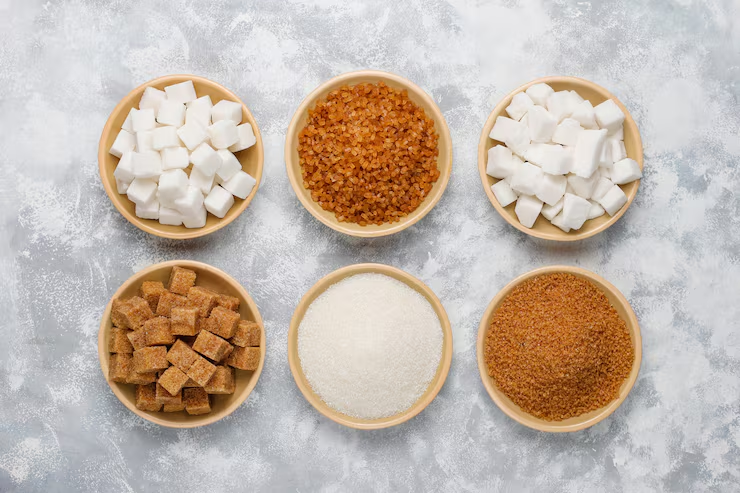
Excess sugar negatively impacts heart health by increasing the risk of obesity, diabetes, and systemic inflammation. High sugar intake can elevate triglycerides and contribute to plaque buildup in arteries, weakening cardiovascular function. Reducing refined sugar supports stable blood glucose levels and protects arterial integrity.
Replacing sugary snacks and drinks with fruits and naturally sweet foods promotes heart health by reducing inflammation and supporting healthy weight management. Balanced meals with complex carbohydrates and fiber help maintain energy while protecting cardiovascular function. Moderation is key; avoiding hidden sugars in processed foods ensures long-term heart wellness.
Limiting sugar intake enhances overall heart health by lowering blood pressure, reducing the risk of metabolic syndrome, and preventing insulin resistance. Incorporating natural sweeteners and fresh produce supports long-term cardiovascular vitality and reduces the likelihood of chronic heart disease.
Benefits:
Maintains healthy blood sugar
Reduces inflammation
Prevents weight gain
Tips:
Choose natural sweeteners, avoid sugary drinks
Replacing soda, pastries, and candies with berries, apples, or dates ensures you get nutrients without harming your heart. Over time, controlled sugar intake lowers the risk of metabolic disorders, reduces arterial inflammation, and enhances overall cardiovascular resilience.
Avoid Smoking & Alcohol
Smoking and excessive alcohol intake severely compromise heart health. Tobacco damages arteries, increases oxidative stress, and raises blood pressure, while excessive alcohol elevates triglycerides and contributes to inflammation. Avoiding these substances protects cardiovascular function and prevents long-term heart disease.
Eliminating smoking and moderating alcohol consumption enhances heart health by improving blood circulation, reducing arterial stiffness, and lowering the risk of heart attacks. Quitting these habits also supports oxygen delivery to tissues, reduces toxin buildup, and strengthens heart muscle performance.
Consistently avoiding smoking and limiting alcohol intake significantly benefits overall heart health. Combining this with other lifestyle practices like balanced nutrition, exercise, and stress management helps maintain strong cardiovascular function, lowers the risk of heart disease, and promotes longevity.
Benefits:
Reduces oxidative stress
Lowers blood pressure
Protects arteries
Tips:
Quit smoking, limit alcohol consumption
Avoiding these harmful substances allows arteries to remain flexible, reduces inflammation, and prevents toxin buildup in the bloodstream. Combined with a heart-healthy diet and lifestyle, abstaining from smoking and alcohol greatly enhances longevity and overall cardiovascular well-being.
Manage Stress
Chronic stress triggers elevated heart rate, blood pressure, and inflammation, all of which harm the heart. Managing stress through meditation, deep breathing, yoga, or mindful practices reduces the physiological load on the cardiovascular system and promotes emotional balance.
Benefits:
Reduces hypertension
Prevents heart rhythm issues
Improves overall cardiovascular health
Tips:
Meditation, deep breathing, yoga, adequate sleep
Incorporating stress management into daily life improves resilience against heart disease. Relaxation techniques also support hormone regulation, better sleep quality, and a stronger immune system, all contributing to a healthier heart over time.
Monitor Blood Pressure
Regularly checking blood pressure helps detect hypertension early and prevents cardiovascular complications. Monitoring ensures timely lifestyle adjustments, medications if needed, and reduces strain on the heart and arteries.
Benefits:
Prevents hypertension complications
Supports early intervention
Reduces heart attack risk
Tips:
Home monitoring or doctor visits regularly
Keeping a record of blood pressure readings allows you to identify trends and take preventive action. Combined with a heart-healthy diet and exercise, routine monitoring maintains cardiovascular stability and reduces long-term heart risks.
Include Omega-3 Fatty Acids
Omega-3 fatty acids protect arteries from plaque buildup, reduce inflammation, and stabilize heart rhythm. Fish like salmon and mackerel, along with chia seeds and flaxseeds, are excellent sources of these beneficial fats.
Benefits:
Strengthens arteries
Reduces cholesterol
Improves heart rhythm
Ingredients:
Salmon, mackerel, chia seeds, flaxseeds
Regular consumption of omega-3-rich foods enhances arterial elasticity, lowers triglycerides, and supports long-term cardiovascular health. Integrating these fats into meals 2–3 times per week promotes a strong, resilient heart.
Limit Processed Foods
Processed foods contain high levels of sodium, sugar, and unhealthy fats, which elevate blood pressure, cholesterol, and inflammation. Reducing consumption of packaged snacks, fast foods, and ready meals supports arterial and heart health.
Benefits:
Supports healthy cholesterol
Reduces inflammation
Protects arterial health
Tips:
Eat fresh, whole foods whenever possible
Replacing processed foods with fresh fruits, vegetables, lean proteins, and whole grains ensures consistent nutrient intake and minimizes cardiovascular risk. Over time, this reduces plaque buildup, strengthens the heart, and enhances overall energy and vitality.
1️⃣1️⃣ Sleep Well 🛌
Quality sleep supports heart repair and hormonal balance.
Benefits:
Reduces blood pressure
Prevents stress-induced heart issues
Boosts energy and mood
Tips:
7–9 hours sleep daily, maintain consistent schedule
1️⃣2️⃣ Regular Health Checkups 🩺
Routine tests detect early cardiovascular issues.
Benefits:
Early detection of heart disease
Enables timely treatment
Monitors cholesterol, blood sugar, blood pressure
Tips:
Annual physical exams + lab tests
How to Practice Heart Health Daily 💖
Incorporate small habits like daily walks, mindful eating, and hydration. Choose fresh produce, lean proteins, and whole grains. Reduce processed foods, salt, and sugar while avoiding smoking and limiting alcohol. Track blood pressure and cholesterol regularly to catch early changes. Managing stress through meditation or yoga also protects heart tissues and supports long-term cardiovascular function.
Consistency is key. Combining diet, exercise, sleep, and stress management strengthens the heart over time. Small changes, repeated daily, prevent heart disease and improve energy levels, focus, and overall vitality. Using these tips ensures your heart remains resilient, efficient, and capable of supporting your body throughout life.
Conclusion on Heart Health ❤️

Prioritizing heart health ensures long-term vitality, energy, and quality of life. By combining a nutrient-rich diet, regular physical activity, stress management, and adequate sleep, you create a protective foundation for your cardiovascular system. Small, consistent lifestyle changes can prevent heart disease, reduce blood pressure, and maintain efficient circulation. 🥗🏃♂️
Avoiding harmful habits like smoking, excessive alcohol, and processed foods further supports heart function. Regular health monitoring, including blood pressure, cholesterol, and blood sugar checks, allows early detection and timely interventions, preventing serious cardiovascular complications. These proactive measures empower you to take control of your heart health and overall well-being. 💖
Ultimately, heart health is about consistency, balance, and informed choices. By prioritizing your heart today, you invest in a longer, healthier life filled with energy, resilience, and vitality. Following these tips ensures your heart remains strong, efficient, and capable of supporting every aspect of your daily life. 🌟
FAQ’s
1️⃣ How often should I exercise to maintain good heart health?
For optimal heart health, aim for at least 150 minutes of moderate-intensity aerobic exercise per week, such as brisk walking, cycling, or swimming. Include strength training twice a week. Consistent exercise reduces blood pressure, improves circulation, and strengthens heart muscles while lowering the risk of cardiovascular disease.
2️⃣ Which foods are most beneficial for heart health?
Heart-healthy foods include fruits, vegetables, whole grains, legumes, nuts, seeds, and fatty fish rich in omega-3s. These foods reduce cholesterol, inflammation, and blood pressure, while antioxidants protect arteries. Minimizing processed foods, sugar, and excess salt further supports cardiovascular health and long-term heart function.
3️⃣ Can stress affect my heart health?
Yes, chronic stress increases heart rate and blood pressure, contributing to artery damage, inflammation, and higher risk of heart attacks or arrhythmias. Managing stress through meditation, deep breathing, yoga, or hobbies supports heart health and improves overall well-being by reducing harmful physiological responses.
4️⃣ How does sleep impact heart health?
Adequate sleep (7–9 hours per night) helps regulate blood pressure, reduces inflammation, and supports hormonal balance. Poor sleep increases the risk of hypertension, heart disease, and obesity. Prioritizing quality sleep is essential for repairing cardiovascular tissues and maintaining optimal heart function.
5️⃣ Are regular checkups necessary for heart health?
Yes, routine checkups allow early detection of heart disease, high cholesterol, hypertension, or other cardiovascular conditions. Blood tests, ECGs, and blood pressure monitoring enable timely interventions, preventing serious complications and supporting proactive heart health management.