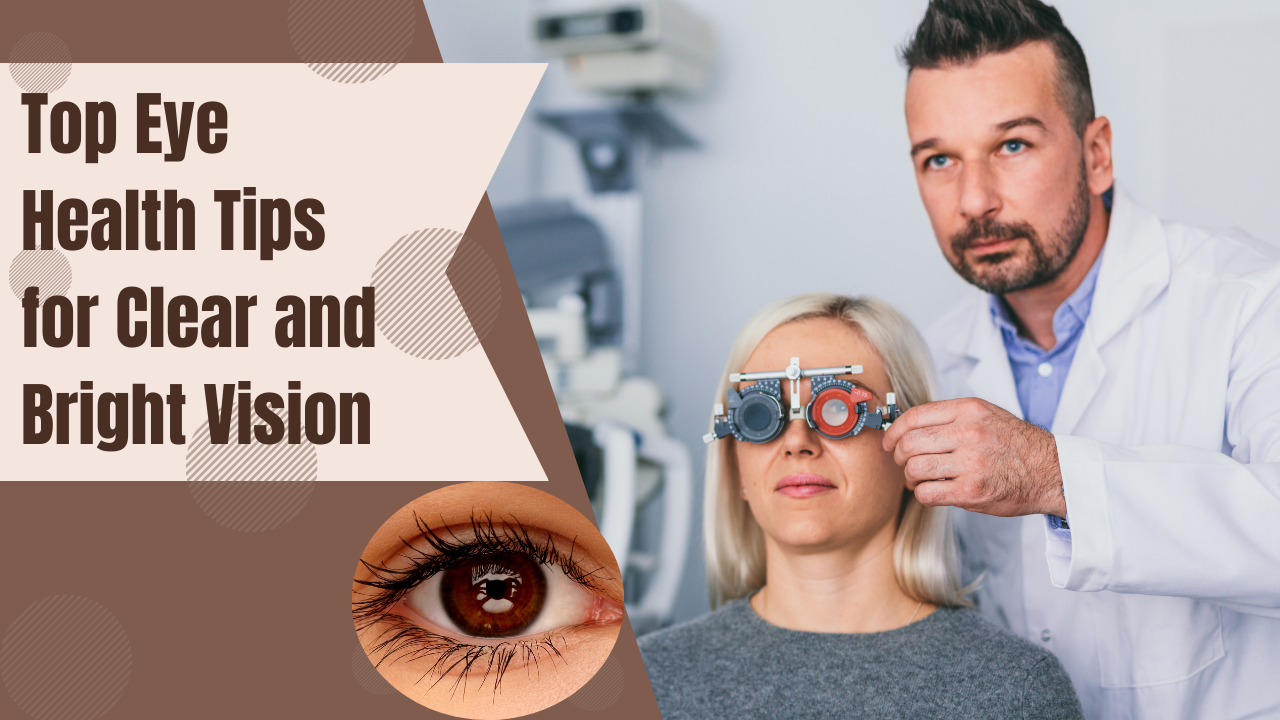
Maintaining healthy eyes is crucial for overall well-being, yet many people overlook the importance of vision care until problems arise. Good eyesight allows you to enjoy life, work efficiently, and stay active. By adopting effective eye health tips, you can prevent vision problems, reduce eye strain, and support long-term eye function naturally. 🥕 Nutrition, lifestyle habits, and protective measures play a significant role in keeping your eyes sharp and your vision clear.
Modern lifestyles often expose our eyes to prolonged screen time, pollution, and unhealthy diets. These factors contribute to eye fatigue, dryness, and increased risk of conditions like cataracts or macular degeneration. Implementing simple yet effective eye health tips can counteract these risks. Foods rich in vitamin A, C, E, omega-3 fatty acids, and antioxidants support retinal health, protect against oxidative stress, and improve night vision. 🐟
Beyond nutrition, practicing eye exercises, maintaining proper lighting, and regular eye check-ups are essential eye health tips. Hydration, sleep, and protective eyewear also prevent strain and long-term damage. Understanding the science behind eye care allows you to make informed choices for a lifetime of clear vision. This guide will cover the most effective eye health tips, why they matter, and practical ways to incorporate them into your daily routine. 🌟

What Are Eye Health Tips?
Eye health tips are practical habits, dietary choices, and lifestyle adjustments designed to protect, strengthen, and enhance vision. They include nutrition, exercises, environmental awareness, and preventive care. These tips aim to reduce eye strain, prevent disease, and maintain visual clarity throughout life. Foods, vitamins, and minerals are essential components, as they provide nutrients critical for retinal function, lens clarity, and eye tissue repair. 🥬
For example, vitamin A-rich foods like carrots, sweet potatoes, and spinach support night vision and prevent dryness. Vitamin C and E antioxidants found in citrus fruits, nuts, and seeds reduce the risk of cataracts and age-related macular degeneration. Omega-3 fatty acids from fish improve tear production and reduce dry eye symptoms. Including these nutrients consistently is a cornerstone of effective eye health tips. 🐠
In addition to nutrition, eye health tips emphasize habits like limiting screen time, practicing the 20-20-20 rule, wearing UV-protective sunglasses, and maintaining proper lighting while reading or working. Regular eye exams detect early issues and allow timely interventions. By following these combined dietary, lifestyle, and preventive strategies, you can protect your eyes, maintain sharp vision, and enjoy a lifetime of healthy sight. 🌿
Why You Need Eye Health Tips
Our eyes are constantly exposed to stressors such as blue light, pollution, and digital screens. Without proper care, these factors can lead to eye strain, blurred vision, and long-term damage. Implementing eye health tips helps combat oxidative stress, supports tissue repair, and enhances overall eye function. 🍊 Preventive measures are easier than corrective treatments, making these tips essential for lifelong vision care.
Studies show that diets rich in vitamins, antioxidants, and omega-3 fatty acids prevent conditions like macular degeneration and cataracts. For instance, leafy greens, berries, and fatty fish provide essential nutrients that protect retinal cells and improve night vision. Eye exercises and proper lighting reduce strain, prevent headaches, and improve focus. Following these eye health tips ensures your eyes remain strong, clear, and resilient. 🥑
Another reason to prioritize eye health tips is quality of life. Clear vision enhances productivity, reduces accidents, and allows you to engage fully in daily activities. Protective habits, such as wearing sunglasses and limiting screen time, also prevent premature aging of the eyes. By adopting these strategies, you not only maintain visual health but also support overall physical and mental well-being. 💖
How to Implement Eye Health Tips 👁️
Implementing effective eye health tips starts with focusing on a nutrient-rich diet. Consuming foods high in vitamin A, C, E, lutein, zeaxanthin, and omega-3 fatty acids strengthens the retina, reduces oxidative stress, and prevents age-related vision problems. 🥕🍓 Including carrots, leafy greens, berries, and fatty fish in daily meals provides essential antioxidants that support long-term eye health and maintain clear, sharp vision.
Next, adopting healthy lifestyle habits is crucial. Limiting screen time, following the 20-20-20 rule, wearing UV-protective sunglasses, and ensuring proper lighting during reading or work helps prevent eye strain, dryness, and fatigue. Regular hydration and adequate sleep further restore eye tissues and maintain overall visual comfort. 💧🕶️
In addition, daily eye exercises improve eye muscle strength and flexibility. Simple routines like focusing on near and far objects, gentle rotations, and blinking exercises reduce strain, enhance focus, and complement other eye health tips practices. Integrating these exercises consistently ensures comprehensive protection for your eyes.
Finally, regular eye check-ups are essential. Annual visits to an optometrist detect early signs of cataracts, glaucoma, or macular degeneration. Combining professional care with proper diet, lifestyle, and exercises maximizes the benefits of eye health tips, supporting long-lasting, healthy vision. ✨
Top Eye Health Tips with Benefits and Nutrients
Eat Carrots and Sweet Potatoes

Carrots and sweet potatoes are some of the most effective eye health tips foods, packed with vitamin A and beta-carotene. Vitamin A is essential for retinal function, supporting night vision and preventing dryness. Beta-carotene, found abundantly in these vegetables, converts to vitamin A in the body, helping maintain the cornea’s health and reducing irritation. Including these in your meals can protect your eyes from age-related damage and support overall eye function.
These foods also contain antioxidants and fiber that improve blood circulation, keeping the eyes nourished and healthy. Regular consumption can reduce the risk of vision-related issues, such as cataracts and macular degeneration. Preparing them roasted, steamed, or as a juice makes them both delicious and easy to include in daily meals.
Benefits:
Improves night vision
Reduces dry eyes
Supports retinal health
Ingredients:
Beta-carotene
Vitamin A
Fiber
Potassium
Incorporate Leafy Greens
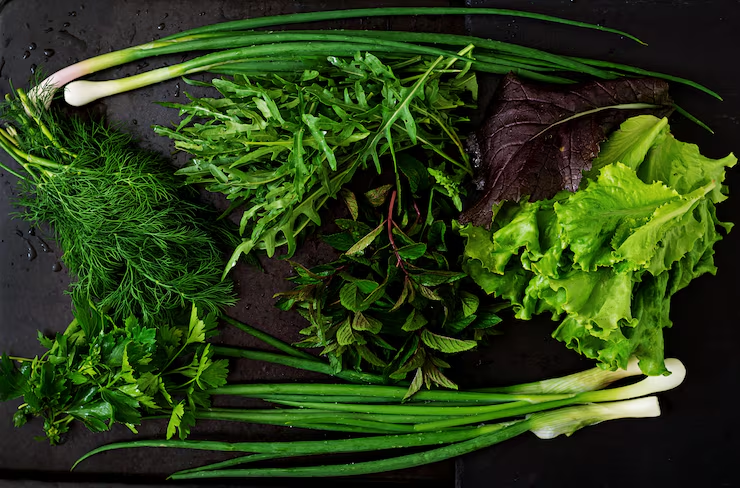
Leafy greens like spinach, kale, and collard greens are cornerstone eye health tips foods. They are rich in lutein and zeaxanthin, antioxidants that protect against macular degeneration and cataracts. These nutrients filter harmful blue light and prevent oxidative damage, keeping the retina healthy and functional. Regular consumption improves vision clarity and supports long-term eye health. 🥬
Leafy greens are also packed with vitamins C and E, which help fight free radicals and maintain the elasticity of eye tissues. Magnesium in these vegetables supports proper nerve function and eye muscle health. Adding greens to smoothies, salads, or cooked dishes ensures you receive consistent nutrition for optimal eye performance.
Benefits:
Protects against age-related eye issues
Reduces oxidative stress
Improves retinal health
Ingredients:
Lutein
Zeaxanthin
Vitamin C and E
Magnesium
Eat Berries
Berries like blueberries, strawberries, and blackberries are potent eye health tips foods that provide antioxidants to strengthen the blood vessels of the eyes. Vitamin C in berries prevents cataract formation and supports collagen production in ocular tissues. Consistent intake of these fruits improves eye immunity and protects against oxidative stress.
Anthocyanins in berries enhance retinal function, improve night vision, and help prevent macular degeneration. These antioxidants also improve circulation, nourishing the eyes and reducing the risk of eye strain. Including berries as breakfast toppings, smoothies, or snacks makes them an easy and effective part of your eye care routine.
Benefits:
Reduces risk of cataracts
Strengthens eye blood vessels
Improves vision clarity
Ingredients:
Vitamin C
Anthocyanins
Fiber
Polyphenols
Include Fatty Fish
Fatty fish like salmon, mackerel, and sardines are excellent eye health tips foods due to their high omega-3 fatty acid content. DHA, a type of omega-3, is essential for retinal health, supporting proper vision and reducing the risk of age-related eye issues. Regular consumption helps prevent dry eye syndrome and maintains hydration in ocular tissues.
Omega-3s also have anti-inflammatory properties, reducing redness, irritation, and eye fatigue. Vitamin D in fatty fish supports overall eye health and immunity, protecting against infections and oxidative damage. Including fatty fish in your diet 2–3 times a week ensures optimal nourishment for long-term eye care.
Benefits:
Reduces dry eye syndrome
Supports retinal function
Anti-inflammatory effects
Ingredients:
Omega-3 fatty acids (DHA & EPA)
Vitamin D
Protein
Selenium
Nuts and Seeds
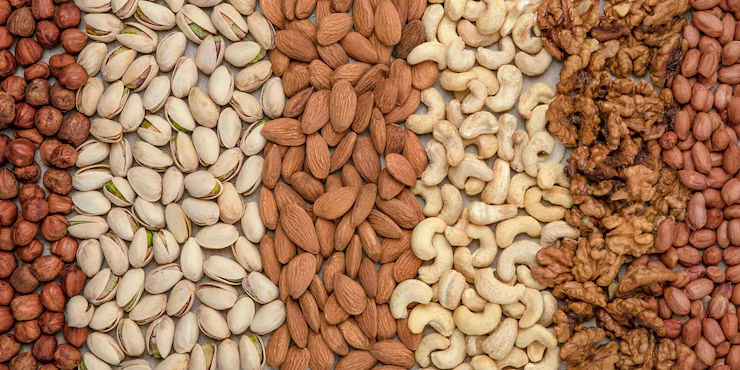
Nuts and seeds like almonds, walnuts, and flaxseeds are vital eye health tips foods rich in vitamin E and omega-3 fatty acids. Vitamin E protects eye cells from oxidative stress, slowing down age-related vision deterioration. Omega-3 fatty acids maintain tear production, preventing dry eyes and irritation.
These nutrient-dense foods also contain magnesium and zinc, supporting retinal health and proper eye function. Regular snacking on nuts or sprinkling seeds on salads provides a natural way to nourish eyes while improving circulation and reducing inflammation. Including these foods as part of your daily diet ensures sustained eye strength and vitality.
Benefits:
Protects against oxidative damage
Supports eye tissue repair
Improves long-term vision health
Ingredients:
Vitamin E
Omega-3 fatty acids
Magnesium
Zinc
Drink Green Tea
Green tea is a powerful eye health tips beverage packed with catechins, antioxidants that reduce oxidative stress and protect retinal cells. It may help prevent glaucoma and other eye disorders while maintaining hydration and elasticity in eye tissues. Regular green tea consumption strengthens eyes naturally.
Polyphenols in green tea reduce inflammation and support healthy blood vessels, improving overall circulation to the eyes. Amino acids and fluoride further contribute to cellular repair and protection. Drinking 2–3 cups daily is a simple habit that enhances the effectiveness of other eye health tips and supports long-term vision care.
Benefits:
Protects retinal cells
Reduces oxidative damage
Improves eye hydration
Ingredients:
Catechins
Polyphenols
Amino acids
Fluoride
Practice Eye Exercises
Eye exercises are essential eye health tips that reduce strain and strengthen ocular muscles. Simple routines, such as focusing on near and far objects, rolling eyes gently, or following the 20-20-20 rule, help prevent digital eye fatigue. These exercises enhance flexibility and improve focus.
Regular practice increases blood flow to the eyes, reducing dryness and tension. Proper lighting during exercises also prevents strain, while daily consistency ensures long-term vision support. Incorporating these exercises into your routine complements dietary eye health tips for holistic eye care.
Benefits:
Reduces eye fatigue
Improves focus and flexibility
Enhances long-term vision clarity
Ingredients:
Regular practice
Eye movement exercises
Proper lighting
Stay Hydrated

Proper hydration is a simple yet critical eye health tips strategy. Water maintains moisture in the eyes, preventing dryness, irritation, and blurred vision. Hydration also supports tear production, reducing the risk of infections and fatigue.
In addition to water, consuming hydrating fruits and vegetables like cucumbers, watermelon, and oranges further improves ocular hydration. Staying hydrated ensures nutrients circulate effectively to the eyes, supporting retinal health and overall visual clarity. Aim for at least 8 glasses of water daily.
Benefits:
Prevents dry eyes
Improves tear production
Enhances visual clarity
Ingredients:
Water
Hydrating fruits and vegetables
Wear UV-Protective Sunglasses
Sunglasses with UV protection are essential eye health tips for shielding eyes from harmful UVA and UVB rays. Prolonged sun exposure can cause cataracts, macular degeneration, and retinal damage. Quality sunglasses reduce strain and protect long-term vision.
Polarized lenses also minimize glare and improve visual comfort, especially outdoors. Wearing sunglasses consistently prevents premature aging of the eyes and protects delicate ocular tissues from oxidative stress. Choose lenses with 100% UV protection for maximum safety.
Benefits:
Prevents UV damage
Reduces risk of cataracts
Protects retinal cells
Ingredients:
UV-blocking lenses
Polarized protection
1️⃣0️⃣ Limit Screen Time
Limiting digital exposure is a key eye health tips practice. Prolonged screen use causes eye strain, dry eyes, headaches, and blurred vision. Following the 20-20-20 rule—every 20 minutes, look at something 20 feet away for 20 seconds—reduces these effects.
Proper screen lighting, adjustable monitors, and reduced glare also protect eye health. Combining these habits with dietary eye health tips ensures your eyes remain strong and focused, even in digital-heavy lifestyles. Regular breaks restore eye comfort and prevent long-term damage.
Benefits:
Reduces eye strain and fatigue
Prevents dry eyes
Improves focus and comfort
Ingredients:
Screen breaks
Proper lighting
Adjustable monitors
1️⃣1️⃣ Get Adequate Sleep
Sleep is a natural restorative eye health tips practice. Adequate rest repairs eye tissues, reduces puffiness, and prevents dryness. Insufficient sleep can lead to irritation, blurred vision, and long-term strain.
Seven to nine hours of consistent sleep allows cells to regenerate, supporting retinal and ocular surface health. Proper sleeping posture further reduces pressure on the eyes. Prioritizing sleep complements dietary and exercise-based eye health tips, enhancing overall eye strength.
Benefits:
Repairs eye tissues
Reduces dark circles and puffiness
Enhances visual clarity
Ingredients:
7–9 hours of sleep
Proper sleeping posture
1️⃣2️⃣ Regular Eye Check-Ups
Routine eye examinations are essential eye health tips for early detection of diseases such as glaucoma, cataracts, and macular degeneration. Early diagnosis enables timely treatment and prevents vision loss.
Optometrist visits provide personalized guidance on nutrition, eye exercises, and protective measures. Preventive screenings detect subtle issues before they worsen, complementing other eye health tips practices. Annual check-ups are key to maintaining long-term vision health.
Benefits:
Early detection of diseases
Prevents vision loss
Guides personalized care
Ingredients:
Eye tests
Optometrist consultations
Preventive screenings
Conclusion

Prioritizing eye health tips is essential for maintaining clear, sharp, and resilient vision throughout life. By focusing on nutrient-rich foods like carrots, leafy greens, berries, and fatty fish, you supply your eyes with vital vitamins, antioxidants, and omega-3 fatty acids. These nutrients support retinal function, protect against oxidative damage, and reduce the risk of age-related vision issues, helping your eyes stay healthy and strong. 🥕🍓
In addition to nutrition, incorporating regular eye exercises and protective habits plays a crucial role in long-term eye care. Practices such as the 20-20-20 rule, limiting screen time, wearing UV-protective sunglasses, and staying hydrated reduce eye strain, prevent dryness, and maintain ocular flexibility. Over time, these eye health tips strengthen eye muscles, improve focus, and enhance overall visual comfort.
Finally, combining dietary, lifestyle, and preventive measures ensures comprehensive eye protection. Regular check-ups with optometrists detect early issues, while consistent habits maintain retinal health and prevent vision deterioration. By adopting these strategies, you can enjoy optimal vision, reduce fatigue, and safeguard your eyes for a lifetime of clarity and brightness. 👁️✨
A comprehensive approach that combines diet, lifestyle adjustments, and regular check-ups is the most effective way to achieve optimal eye health. Fatty fish, leafy greens, berries, nuts, and vitamin-rich foods provide essential nutrients that protect against oxidative stress, support tear production, and enhance retinal function. 🐟🌿 Integrating these eye health tips into daily routines improves not only vision but overall well-being and energy levels.
FAQ’s
Q1: How often should I follow eye health tips to see visible improvement?
Consistency is key. Following eye health tips daily, including a nutrient-rich diet, eye exercises, and protective measures, can lead to noticeable improvement in 4–8 weeks. Regular practice strengthens vision, reduces fatigue, and enhances clarity over time.
Q2: Can eye health tips prevent age-related vision problems?
Yes. Incorporating antioxidants, omega-3s, vitamins, and regular eye care routines can reduce the risk of macular degeneration, cataracts, and dry eye syndrome. Combining dietary and lifestyle eye health tips ensures long-term protection and better quality vision.
Q3: Are eye health tips effective for people using digital devices extensively?
Absolutely. Tips like the 20-20-20 rule, proper screen distance, blue light filters, and eye exercises specifically target digital eye strain. Regular implementation reduces fatigue, dryness, and long-term vision deterioration caused by prolonged screen exposure.
Q4: Which nutrients are most important in eye health tips?
Vitamin A, C, E, lutein, zeaxanthin, and omega-3 fatty acids are crucial. These nutrients protect retinal cells, improve tear production, enhance focus, and reduce oxidative damage, forming the foundation of effective eye health tips for strong vision.
Q5: Can lifestyle changes alone improve eye health without supplements?
Yes. A balanced diet rich in eye health tips foods, hydration, sleep, limited screen time, and regular protective measures can significantly improve vision. While supplements may help in specific deficiencies, lifestyle and nutrition remain the most effective natural approach.