
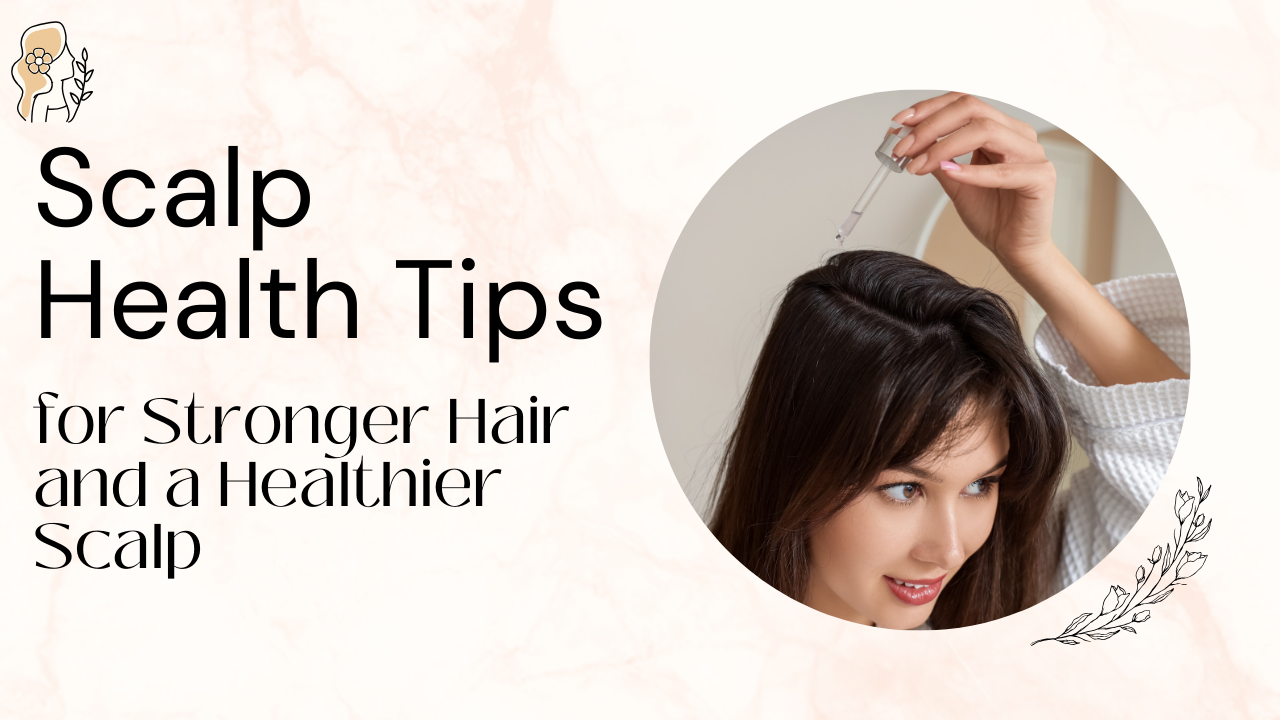
Healthy hair always begins at the root, and that root is your scalp. Many people focus only on shampoos, conditioners, or styling products, but overlook the condition of the scalp itself. When the scalp is neglected, problems like dandruff, hair thinning, itchiness, excess oil, and even hair loss can develop over time. This is why following effective scalp health tips is essential for maintaining strong, vibrant, and long-lasting hair health. A clean and balanced scalp creates the perfect environment for hair follicles to grow without obstruction.
In today’s fast-paced lifestyle, pollution, stress, poor diet, and chemical treatments silently damage the scalp barrier. The scalp contains thousands of hair follicles and oil glands that require proper nourishment and care. Without the right scalp health tips, buildup accumulates, circulation weakens, and follicles become clogged. This results in slow hair growth and increased breakage. Paying attention to scalp care is no longer optional—it is a necessity for anyone serious about hair wellness.
By adopting scientifically backed and user-friendly scalp health tips, you can restore balance, stimulate blood flow, and improve overall hair quality naturally. This article is designed to guide you step by step with proven strategies, deep explanations, and practical routines. Whether you struggle with dryness, oiliness, dandruff, or hair fall, these insights will help you build a healthy scalp ecosystem that supports long-term hair growth .
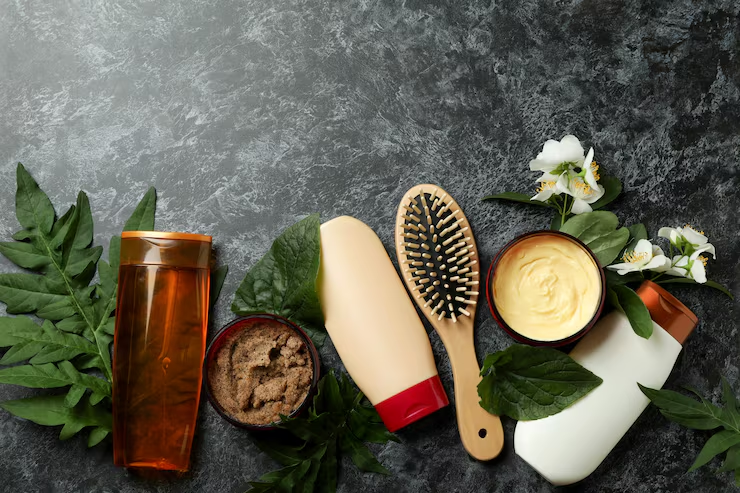
What Are Scalp Health Tips?
Scalp health tips are practical care strategies designed to maintain cleanliness, hydration, circulation, and microbial balance on the scalp. These tips include proper cleansing routines, exfoliation, nourishment, massage techniques, and lifestyle habits that collectively support scalp function. The scalp is skin, but thicker and oilier than facial skin, requiring targeted care that differs from standard skincare routines.
Following structured scalp health tips helps remove dead skin cells, excess sebum, and product buildup that can block follicles. When follicles are clean and oxygenated, hair strands grow stronger and thicker. These tips also focus on maintaining the scalp’s pH balance, preventing inflammation, and protecting the scalp barrier from environmental damage. Consistency is key—scalp care is not a one-time fix but a long-term habit.
Understanding these techniques empowers users to identify early scalp issues before they become severe. Whether you are dealing with sensitivity, fungal buildup, or dryness, personalized scalp health tips ensure proactive care instead of reactive treatment. This makes scalp maintenance more effective and sustainable.
Why Are Scalp Health Tips Important for Hair Growth?
Hair follicles depend on scalp health to function efficiently. Poor circulation, clogged pores, or inflammation restrict nutrient delivery to hair roots. This is why scalp health tips directly influence hair growth cycles and hair density. When the scalp is nourished and well-oxygenated, follicles stay in the anagen (growth) phase longer, resulting in stronger hair strands.
Ignoring scalp care leads to conditions like dandruff, seborrheic dermatitis, and folliculitis. These conditions weaken hair roots and increase shedding. Consistent use of scalp health tips helps prevent microbial overgrowth, reduces itching, and stabilizes oil production. This creates a balanced environment where hair can thrive naturally.
From a long-term perspective, scalp maintenance delays premature hair thinning and aging. Healthy scalp practices protect collagen levels and reduce oxidative stress. Simply put, investing time in scalp health tips is an investment in lifelong hair quality and confidence 💪.
Deeply Explained Scalp Health Tips for Long-Term Hair Wellness
Maintain a Clean Scalp Without Overwashing
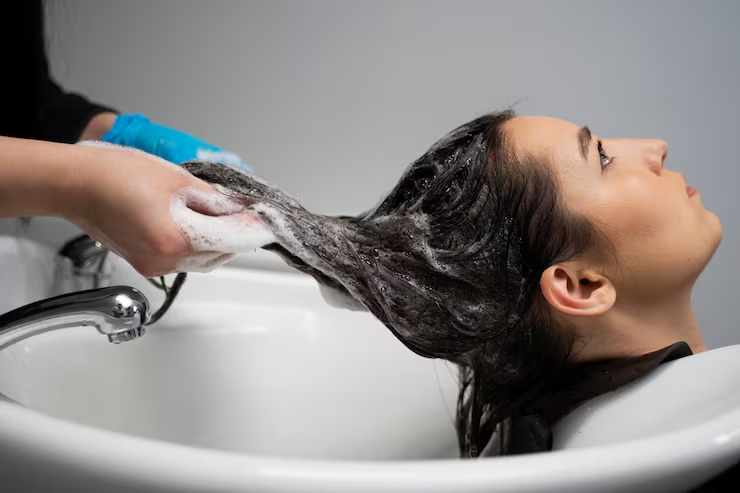
One of the most misunderstood scalp health tips is cleansing frequency. While cleanliness is essential, overwashing strips natural oils that protect the scalp barrier. A healthy scalp needs balanced sebum to prevent dryness and irritation. Washing 2–3 times a week is ideal for most hair types, allowing the scalp to self-regulate oil production.
Using gentle, sulfate-free shampoos helps preserve the scalp’s microbiome. Harsh cleansers disrupt beneficial bacteria, increasing sensitivity and dandruff. Effective scalp health tips focus on choosing pH-balanced formulas that cleanse without aggression. Always massage gently to avoid micro-tears on the scalp surface.
Rinsing thoroughly is equally important. Residual shampoo can clog follicles and cause itching. Cleanliness combined with gentleness forms the foundation of sustainable scalp care routines.
Exfoliate the Scalp to Remove Buildup
Scalp exfoliation is a powerful yet often ignored practice. Dead skin cells accumulate on the scalp just like on facial skin. One of the most effective scalp health tips is exfoliating once every 7–10 days to clear blocked follicles and improve oxygen flow.
Chemical exfoliants like salicylic acid dissolve buildup, while physical scrubs lift impurities mechanically. However, over-exfoliation can irritate the scalp. Balanced scalp health tips recommend mild exfoliants paired with soothing ingredients like aloe vera or chamomile.
Regular exfoliation enhances the effectiveness of scalp treatments and oils. When follicles are clear, nutrients penetrate deeper, improving overall hair strength and growth 🌿.
Massage the Scalp to Boost Blood Circulation

Massaging the scalp to boost blood circulation is one of the simplest yet most effective scalp health tips for improving overall scalp condition and hair growth. Gentle scalp massage increases blood flow, which helps deliver oxygen and essential nutrients directly to the hair follicles. When follicles receive proper nourishment, they become stronger and more active, leading to healthier hair growth and reduced hair fall over time.
An important part of this scalp health tips practice is using the correct technique and consistency. Using fingertips—not nails—apply light to moderate pressure in circular motions across the scalp for five to ten minutes daily. Massaging can be done on a dry scalp or while applying natural oils or serums to enhance absorption. This routine also helps loosen product buildup and stimulates the scalp without causing irritation.
Regular scalp massage enhances the effectiveness of other scalp health tips such as oiling, cleansing, and treatments. It also helps release stress and tension stored in the scalp, which can restrict blood flow and negatively affect hair health. Over time, consistent massage improves scalp elasticity, supports stronger roots, and contributes to thicker, healthier-looking hair 💆♀️.
Nourish the Scalp with Natural Oils
Nourishing the scalp with natural oils is one of the most trusted and effective scalp health tips for improving scalp strength and hair vitality. Natural oils help replenish lost moisture, soothe dryness, and strengthen the scalp’s protective barrier. Oils such as coconut, castor, argan, jojoba, and almond contain essential fatty acids and antioxidants that penetrate deeply into the scalp, nourishing hair follicles and promoting healthier hair growth from the roots.
One of the most important scalp health tips is applying oil in the right amount and at the right frequency. Massaging warm oil into the scalp once or twice a week improves blood circulation and enhances nutrient absorption. Gentle circular motions stimulate follicles while relaxing scalp muscles, reducing tension that can restrict healthy hair growth. Leaving the oil on for a few hours before washing allows it to work effectively without clogging pores.
When used consistently, natural oils enhance the benefits of other scalp health tips such as cleansing and exfoliation. A well-nourished scalp becomes more resilient, less prone to irritation, and better equipped to support strong, shiny hair. With patience and regular care, oil nourishment helps maintain long-term scalp balance and visibly healthier hair 🌿.
Protect the Scalp from Sun Damage
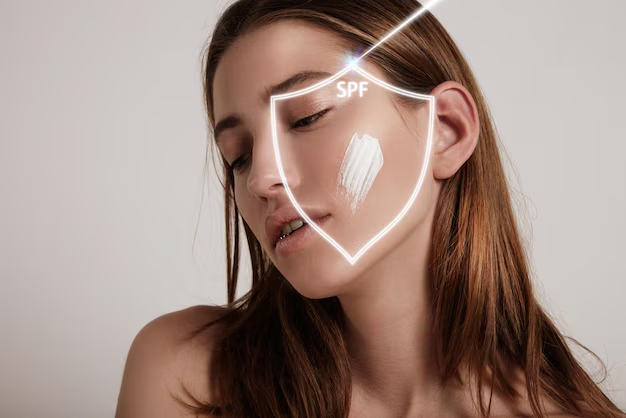
Protecting the scalp from sun damage is an essential yet often ignored part of effective scalp health tips. Prolonged exposure to harmful UV rays can dry out the scalp, weaken the skin barrier, and cause inflammation or flaking. Just like facial skin, the scalp is vulnerable to sunburn, especially in areas with thinning hair or visible partings. Sun damage can also break down collagen in the scalp, leading to premature aging and weaker hair follicles.
One of the most practical scalp health tips is to limit direct sun exposure by wearing hats, scarves, or caps when spending extended time outdoors. Using hair and scalp products with built-in UV protection adds an extra layer of defense against environmental stress. Lightweight scalp sunscreens or SPF sprays are especially helpful during summer months and outdoor activities. These measures help maintain scalp moisture and prevent long-term damage caused by sun exposure.
When the scalp is protected from UV damage, it remains healthier and more balanced, allowing other scalp health tips to work more effectively. Reduced inflammation and dryness support stronger hair growth and prevent seasonal hair shedding. Making sun protection a regular habit ensures long-term scalp resilience and healthier-looking hair all year round ☀️.
Maintain a Scalp-Friendly Diet
Maintaining a scalp-friendly diet is one of the most powerful and long-lasting scalp health tips because nutrition directly affects scalp condition and hair growth. The scalp relies on a steady supply of vitamins, minerals, and proteins to keep hair follicles strong and active. When the body lacks essential nutrients, the scalp can become dry, flaky, or inflamed, leading to weak hair roots and increased hair fall. A balanced diet supports healthy oil production and keeps the scalp nourished from within.
An effective approach to scalp health tips includes consuming foods rich in protein, iron, zinc, biotin, and omega-3 fatty acids. Protein helps build keratin, the structural component of hair, while iron improves oxygen delivery to the scalp. Omega-3 fatty acids found in nuts, seeds, and fish help reduce inflammation and maintain scalp hydration. Vitamins A, C, and E also play a role in protecting the scalp from oxidative damage and supporting collagen production.
When a nutrient-rich diet is combined with topical care, other scalp health tips become more effective. Proper hydration and wholesome meals enhance scalp resilience, improve hair texture, and promote steady hair growth. Over time, a scalp-friendly diet creates visible improvements, proving that healthy hair truly starts with what you nourish your body with 🥗.
Avoid Excessive Heat Styling
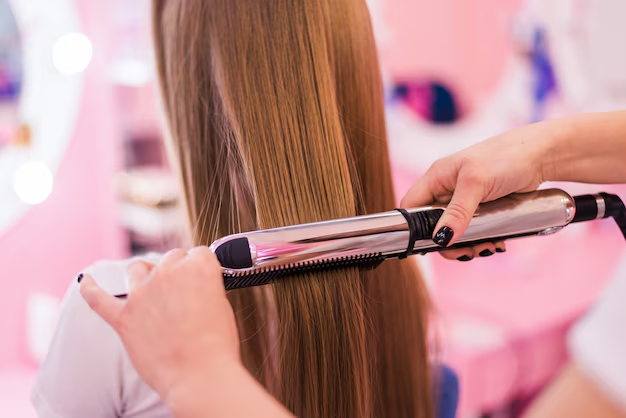
Avoiding excessive heat styling is one of the most protective scalp health tips for maintaining long-term scalp and hair wellness. Frequent use of blow dryers, straighteners, curling irons, and hot brushes exposes the scalp to high temperatures that can strip away natural moisture. This heat stress weakens the scalp barrier, leading to dryness, irritation, inflammation, and increased sensitivity. Over time, excessive heat can also damage hair follicles, slowing growth and increasing hair breakage.
A key part of effective scalp health tips is limiting heat exposure whenever possible. Allowing hair to air-dry, using heat tools on the lowest effective temperature, and avoiding daily styling significantly reduces scalp damage. When heat styling is unavoidable, applying a heat-protectant product helps create a protective layer that minimizes moisture loss. Keeping tools a safe distance from the scalp further reduces the risk of burns and irritation.
By reducing reliance on heat styling, the scalp retains its natural oils and maintains a healthier balance. This allows other scalp health tips, such as oiling, treatments, and massages, to work more effectively. Over time, a heat-conscious routine strengthens the scalp, improves hair texture, and supports consistent, healthy hair growth .
Manage Stress to Prevent Scalp Issues
Managing stress is a crucial yet often underestimated part of effective scalp health tips. Chronic stress triggers hormonal imbalances, particularly increased cortisol levels, which directly affect scalp oil production and blood circulation. When stress levels remain high, the scalp may become oily, dry, itchy, or inflamed, creating an unhealthy environment for hair follicles. Over time, this disruption can weaken roots and contribute to excessive hair fall and slow growth.
One of the most impactful scalp health tips is adopting stress-reducing habits as part of your daily routine. Practices such as regular exercise, meditation, deep breathing, and adequate sleep help regulate hormones and improve blood flow to the scalp. Improved circulation ensures that hair follicles receive sufficient oxygen and nutrients. Even simple activities like short walks, stretching, or spending time on hobbies can significantly reduce mental tension and support scalp balance.
When stress is managed effectively, the scalp responds positively, making other scalp health tips more effective. A calm nervous system supports healthier hair growth cycles and reduces the likelihood of stress-related scalp conditions such as dandruff or telogen effluvium. By prioritizing mental well-being alongside physical scalp care, you create a holistic routine that promotes long-term scalp health, stronger hair, and overall wellness 🌿.
Use Scalp-Specific Treatments

Using scalp-specific treatments is one of the most targeted and effective scalp health tips for addressing underlying scalp concerns. Unlike regular hair products that focus on the strands, scalp treatments are formulated to penetrate the skin and nourish hair follicles directly. These treatments help manage issues such as dandruff, excessive oil production, dryness, sensitivity, and inflammation. When used correctly, scalp-specific solutions restore balance and create an optimal environment for healthy hair growth.
One of the most important scalp health tips is choosing treatments based on your scalp type and condition. For example, anti-dandruff serums with salicylic acid or zinc pyrithione help control flaking, while hydrating scalp masks soothe dryness and irritation. Applying treatments to a clean scalp ensures better absorption and effectiveness. Consistency is key—most scalp treatments show visible improvement when used regularly over several weeks rather than as a one-time solution.
Incorporating scalp-focused products into your routine enhances the overall impact of other scalp health tips such as cleansing and massage. These treatments strengthen the scalp barrier, improve follicle health, and reduce dependence on harsh corrective products. When the scalp receives targeted care, hair becomes stronger, healthier, and more resilient over time, making scalp-specific treatments a vital part of long-term scalp wellness.
Maintain Proper Scalp Hygiene Tools
Maintaining proper scalp hygiene tools is an often overlooked yet highly important part of effective scalp health tips. Hair brushes, combs, towels, and styling tools come into direct contact with the scalp every day, collecting oil, sweat, dead skin cells, and product residue. When these tools are not cleaned regularly, they can reintroduce dirt and bacteria back onto the scalp, leading to clogged follicles, irritation, dandruff, and even scalp infections. Clean tools help maintain a healthy scalp environment and support overall hair cleanliness.
One of the most essential scalp health tips is to wash brushes and combs at least once a week using warm water and a mild cleanser or shampoo. Removing trapped hair before washing allows deeper cleaning and prevents residue buildup. Towels and pillowcases should also be washed frequently, as they absorb oils and sweat that can transfer bacteria back onto the scalp. Using personal tools instead of sharing them further reduces the risk of microbial contamination and scalp issues.
By maintaining hygienic tools, you strengthen the effectiveness of all other scalp health tips in your routine. Clean tools ensure that freshly washed hair stays clean longer and that scalp treatments work without interference. This simple yet powerful habit protects scalp health, improves hair texture, and promotes long-term hair growth. Small changes in tool hygiene can create a noticeable improvement in overall scalp wellness.
Conclusion
Healthy hair is always a direct reflection of a well-maintained and balanced scalp. When individuals consistently follow proven scalp health tips, they can effectively prevent common problems such as dandruff, excessive oiliness, dryness, itchiness, and premature hair thinning before these issues become severe. Scalp care should never be treated as an optional or secondary step—it is a core element of overall grooming and personal wellness. A nourished scalp provides a stable foundation for hair follicles, allowing hair strands to grow stronger, shinier, and more resilient over time. Just like skincare, scalp care requires awareness, patience, and the right techniques to deliver visible and lasting results.
Incorporating reliable scalp health tips into daily and weekly routines creates long-term benefits that go far beyond surface-level improvement. Simple habits such as gentle cleansing, proper exfoliation, regular scalp massages, and mindful product selection collectively enhance scalp vitality. Lifestyle factors like stress management, hydration, and a nutrient-rich diet also play a vital role in maintaining scalp balance. When these practices are followed consistently, small efforts begin to compound into noticeable improvements in hair texture, density, and strength. A healthy scalp environment supports uninterrupted hair growth cycles and significantly reduces the need for corrective or chemical-based treatments.
Ultimately, scalp care is not a short-term fix but a lifelong commitment. By understanding your scalp’s unique needs and staying consistent with effective scalp health tips, you invest in long-lasting hair confidence and overall well-being. Results may take time, but patience and dedication always pay off. Start today, stay consistent, and allow your scalp to thrive naturally—because healthy hair always begins at the root .
FAQ’s
Q1: How often should I follow scalp health tips for best results?
Consistency is essential when applying scalp health tips. Daily habits like gentle massage and balanced nutrition should be maintained, while treatments like exfoliation and oiling can be done weekly. Long-term commitment delivers visible improvement.
Q2: Can scalp health tips help with hair loss?
Yes, scalp health tips support follicle strength and circulation, which reduces hair fall caused by weak roots or clogged follicles. While they don’t cure genetic hair loss, they significantly improve hair retention and thickness.
Q3: Are scalp health tips suitable for all hair types?
Most scalp health tips are universal but should be adjusted based on scalp type—oily, dry, or sensitive. Personalized routines ensure optimal results without irritation or imbalance.
Q4: How long does it take to see results from scalp health tips?
Visible improvements typically appear within 4–8 weeks. Consistent scalp health tips gradually restore balance, improve texture, and reduce scalp issues over time.
Q5: Can natural remedies replace professional scalp treatments?
Natural scalp health tips are effective for maintenance and prevention. However, severe conditions may require dermatological treatments combined with routine scalp care.