
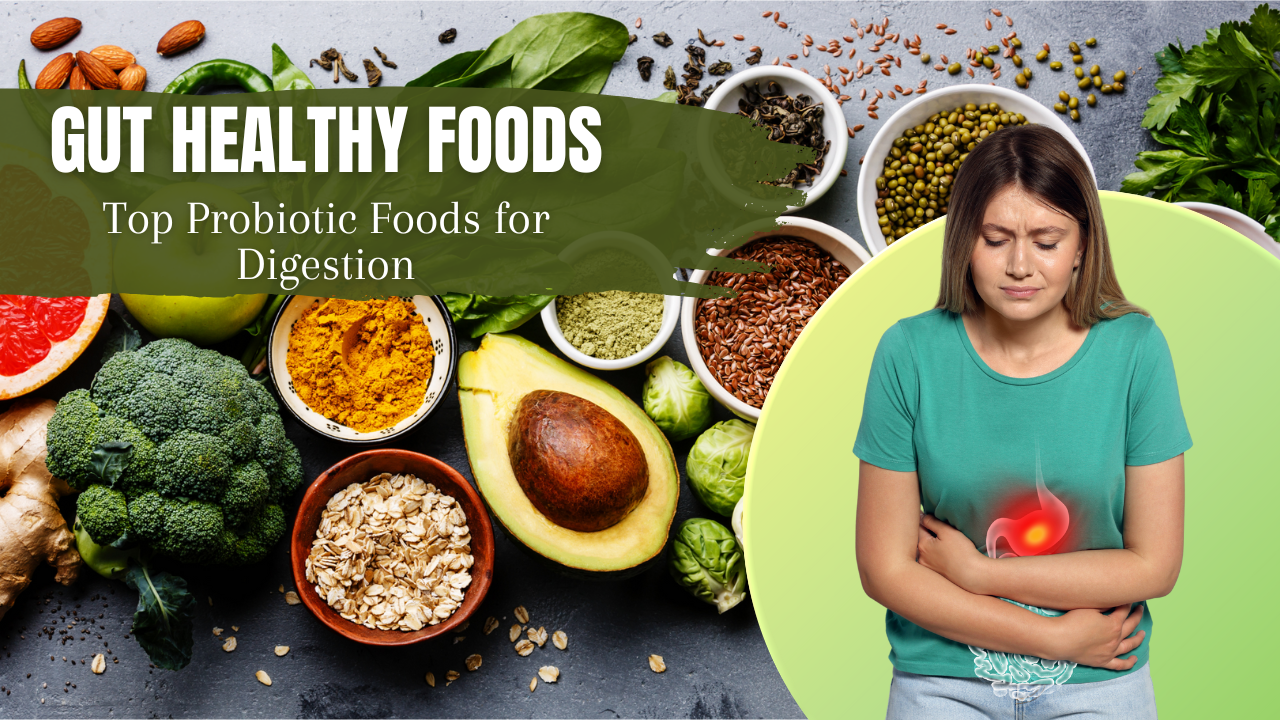
A healthy gut is essential for overall well-being, influencing everything from digestion to immune function. With increasing awareness about the importance of gut health, many are seeking ways to improve their digestive system. One of the most effective ways to do this is by incorporating gut healthy foods into your daily diet. These foods support the growth of beneficial bacteria, balance your microbiome, and help alleviate digestive issues such as bloating, constipation, and indigestion.
In this article, we will explore the best gut healthy foods, their nutritional benefits, and how you can easily incorporate them into your meals. By focusing on gut health, you can improve your digestion, boost your immunity, and enjoy better overall health. Eating the right foods is the first step towards ensuring a happy, healthy gut.
A diet rich in gut healthy foods not only nurtures your digestive system but also supports your immune function, mental clarity, and mood. These foods contain fibers, probiotics, and prebiotics that feed your good bacteria, helping you achieve optimal gut health. Whether you’re looking to relieve bloating or boost your energy levels, these gut-healthy choices are the perfect starting point.
What Are Gut Healthy Foods?
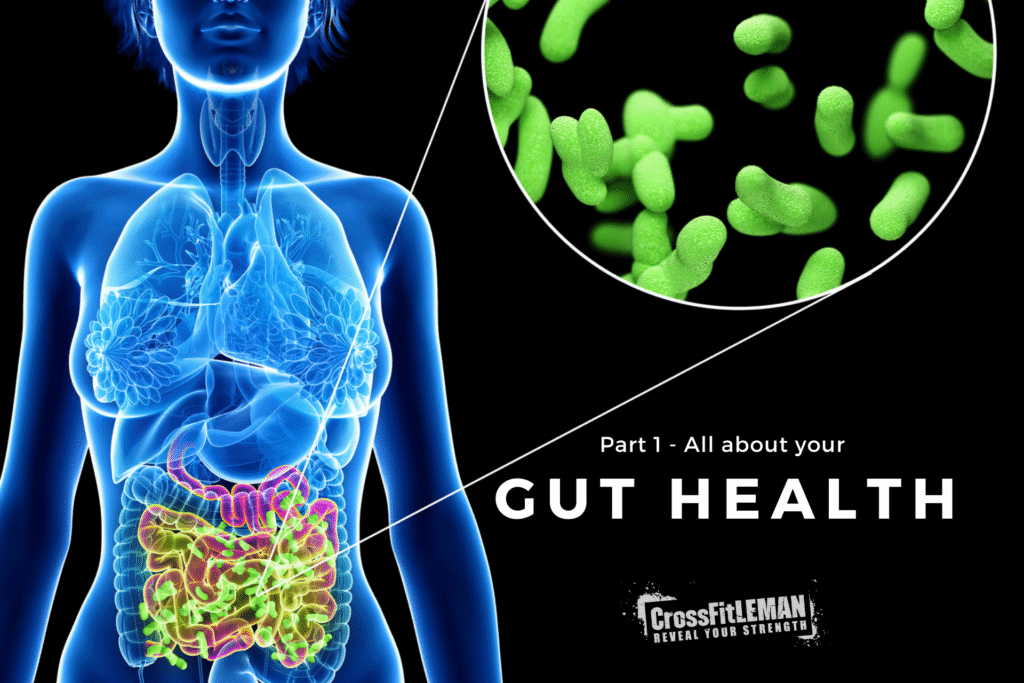
Gut healthy foods are those that promote the health of your digestive system by providing essential nutrients, fiber, and probiotics. These foods help maintain a healthy balance of gut bacteria, which is crucial for digesting food, absorbing nutrients, and boosting immunity. A well-balanced gut microbiome can prevent many digestive issues, such as bloating, constipation, and heartburn.
Examples of gut healthy foods include fermented foods, fiber-rich vegetables, whole grains, and prebiotic-rich foods. Fermented foods such as yogurt, kefir, and sauerkraut are rich in probiotics, which introduce beneficial bacteria into your gut. Prebiotic foods, like garlic, onions, and bananas, feed the good bacteria, helping them flourish and maintain a healthy balance. Whole grains such as oats and quinoa are also important because they provide the fiber that your digestive system needs to function properly.
Incorporating these foods into your daily diet will support your gut health and help your body run more efficiently. A healthy gut is vital not only for digestion but also for maintaining a strong immune system, improved mood, and overall well-being.
Why Are Gut Healthy Foods Important?
The importance of gut healthy foods cannot be overstated. A balanced gut microbiome is essential for the proper functioning of your digestive system. When your gut bacteria are in balance, your body can absorb nutrients more effectively, improve your immune function, and reduce inflammation. On the other hand, an imbalance in gut bacteria can lead to digestive discomfort, bloating, and even more serious health issues like irritable bowel syndrome (IBS) or inflammatory bowel disease (IBD).
Gut health also plays a significant role in mental health. Recent studies have shown a direct connection between gut health and brain function. A healthy gut, supported by gut healthy foods, can influence mood, cognitive function, and mental clarity. This is because a large portion of the neurotransmitters responsible for mood regulation, like serotonin, are produced in the gut. By focusing on gut healthy foods, you can promote a healthier gut microbiome, which in turn can improve your mood and mental well-being.
By focusing on gut healthy foods, you can not only enhance your digestive health but also improve your overall physical and mental well-being. A healthy gut leads to better nutrient absorption, more energy, and a stronger immune system, making it an essential part of a holistic health approach.
Gut Healthy Foods: 8 Nutrient-Packed Choices
Yogurt

Yogurt is one of the most popular and easily accessible gut healthy foods available today. It is rich in probiotics, such as Lactobacillus and Bifidobacterium, which are beneficial bacteria that help support the health of your digestive system. These probiotics are essential for maintaining a balanced microbiome, promoting optimal digestion, and helping with the absorption of nutrients. Consuming yogurt regularly can help prevent digestive issues like bloating, constipation, and indigestion, making it a key food for maintaining a healthy gut.
Nutritional Benefits:
Yogurt is not only a great source of probiotics but also provides protein, calcium, and vitamins like B12, B2, and phosphorus. These nutrients play a critical role in supporting your digestive health and ensuring that your body gets the essential vitamins and minerals it needs to function properly. As one of the top gut healthy foods, yogurt’s probiotics help replenish the good bacteria in your gut, improving digestion and immune system function. Additionally, yogurt is high in potassium, which helps balance the fluids in your body and supports proper muscle function. Including yogurt as part of your daily intake of gut healthy foods can help maintain a balanced microbiome, fostering better digestive and overall health.
How to Make It:
There are many ways to include yogurt in your diet. It can be enjoyed on its own, but you can also mix it with fruits, nuts, or honey for added flavor and texture. Try adding yogurt to smoothies or use it as a base for a healthy parfait. If you prefer savory dishes, yogurt can also be used to make sauces, dressings, and dips. Be sure to choose plain, unsweetened yogurt to avoid unnecessary sugars, which can disrupt gut health.
Sauerkraut
Sauerkraut is another excellent example of gut healthy foods that provide a rich source of probiotics. This fermented cabbage dish is not only beneficial for digestion but also a great addition to any diet focused on improving gut health. The fermentation process creates healthy bacteria that help regulate your gut flora, support digestion, and enhance the absorption of nutrients. Including sauerkraut in your meals can promote better gut motility and prevent issues like constipation, bloating, and stomach discomfort.
Nutritional Benefits:
Sauerkraut is a low-calorie food that is high in fiber, which aids in digestion and promotes regular bowel movements. It is also an excellent source of vitamin C, which is crucial for immune health, and vitamin K, which is important for bone health. The probiotics in sauerkraut improve the health of your gut by promoting a balanced microbiome. Additionally, the antioxidants in sauerkraut help fight off free radicals, reduce inflammation, and support overall health.
How to Make It:
Sauerkraut is incredibly easy to incorporate into your diet. It can be eaten as a side dish or added to salads, sandwiches, and wraps. You can also use sauerkraut as a topping for grilled meats or mix it into soups and stews for added flavor. For a homemade version, simply ferment shredded cabbage with salt and water and let it sit for several days to allow the good bacteria to flourish.
Garlic
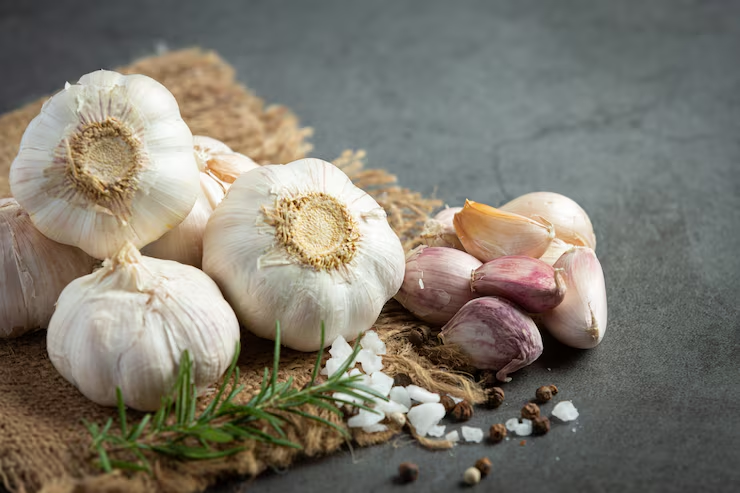
Garlic is a versatile and powerful food that plays a crucial role in promoting gut health. Known for its natural antibacterial and antiviral properties, garlic can help maintain a balanced gut microbiome by fighting off harmful bacteria and supporting the growth of beneficial bacteria. Garlic is considered one of the best gut healthy foods, as it provides prebiotic fiber, such as inulin, which nourishes the good bacteria in your gut and helps improve digestive function.
Nutritional Benefits:
Garlic is packed with vitamins C and B6, manganese, and selenium, all of which contribute to maintaining gut health. It has natural antimicrobial properties that help prevent the overgrowth of harmful bacteria in the gut, promoting a balanced and healthy microbiome. In addition, garlic has anti-inflammatory benefits, which can help soothe an inflamed gut and reduce symptoms of digestive disorders like irritable bowel syndrome (IBS) and bloating.
How to Make It:
Garlic can be easily incorporated into a variety of dishes. You can add chopped garlic to sautéed vegetables, soups, sauces, or stir-fries. Raw garlic can be minced and mixed into salads or blended into homemade dressings for an added kick. To reap the full benefits of garlic, allow it to sit for a few minutes after being chopped or crushed to activate its beneficial compounds. For those who prefer a milder taste, roasted garlic can be a great addition to dishes as well.
Oats
Oats are one of the most nutritious and gut healthy foods available, packed with fiber that supports digestion and helps maintain a healthy gut microbiome. Oats are an excellent source of soluble fiber, particularly beta-glucan, which has been shown to improve gut motility and reduce symptoms of constipation. The fiber in oats also feeds the beneficial bacteria in the gut, helping them thrive and maintain a balanced microbiome.
Nutritional Benefits:
Oats are rich in both soluble and insoluble fibers, which are essential for healthy digestion. The soluble fiber helps to regulate blood sugar levels, lower cholesterol, and improve gut function. Oats are also high in iron, magnesium, and B vitamins, all of which contribute to overall gut and metabolic health. Consuming oats regularly can help maintain a healthy digestive system by providing the necessary nutrients and fiber to support gut function.
How to Make It:
Oats can be enjoyed in many different ways. The classic oatmeal breakfast is a great way to start your day with gut-healthy fiber. You can make overnight oats for a quick and nutritious breakfast or add oats to smoothies, granola, and baked goods. Oats can also be used in savory dishes, such as savory oatmeal or grain bowls, where they add fiber and texture to your meals.
Bananas
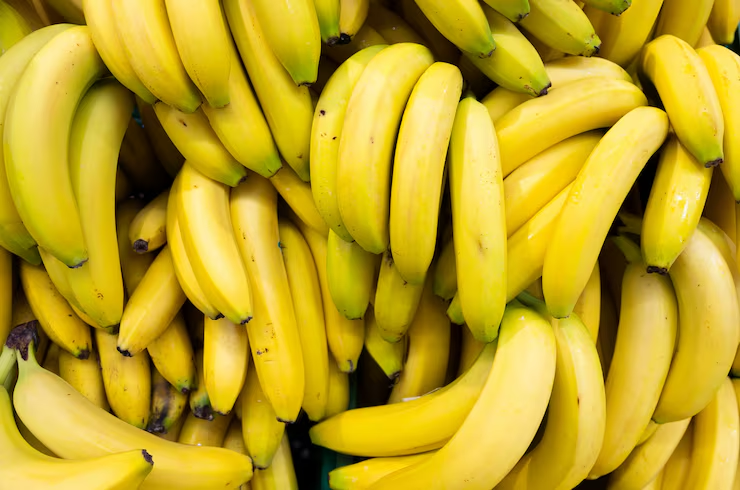
Bananas are an excellent source of prebiotics, which are compounds that nourish beneficial gut bacteria. Rich in fructooligosaccharides (FOS), bananas help support the growth of probiotics in the gut, promoting a healthy and balanced microbiome. Bananas are also an easily digestible food, making them an ideal option for individuals with sensitive stomachs or digestive issues.
Nutritional Benefits:
Bananas are high in potassium, which helps regulate fluid balance in the body and supports proper muscle and nerve function. They are also rich in vitamin C, vitamin B6, and fiber, all of which contribute to overall gut health. The prebiotics found in bananas help feed the beneficial bacteria in the gut, promoting a healthy digestive system and reducing the risk of digestive disorders.
How to Make It:
Bananas are a convenient snack and can be eaten on their own. You can also add them to smoothies, oatmeal, or yogurt for added fiber and sweetness. Bananas can be used in baked goods, such as banana bread or muffins, or even frozen for a refreshing, gut-healthy treat.
Kefir
Kefir is a fermented milk drink that is packed with probiotics, which are essential for maintaining a healthy gut. Kefir contains multiple strains of beneficial bacteria, making it one of the best gut healthy foods to promote a balanced microbiome. It helps improve digestion, reduce bloating, and strengthen the immune system by replenishing good bacteria in the gut.
Nutritional Benefits:
Kefir is rich in protein, calcium, and B vitamins, all of which are important for maintaining gut health. It also contains a wide variety of probiotics, which support the growth of beneficial bacteria in the gut. Regular consumption of kefir can help improve gut function, reduce symptoms of digestive disorders, and enhance overall immune health. Kefir is also easier to digest than regular milk, making it a suitable option for people with lactose sensitivity.
How to Make It:
Kefir can be consumed on its own as a drink or added to smoothies for an extra dose of probiotics. You can also use kefir as a substitute for milk in recipes like salad dressings, pancakes, or baked goods. If you prefer a dairy-free option, plant-based kefir made from coconut or almond milk is also available.
Apples

Apples are a delicious and nutritious fruit that provides both soluble and insoluble fiber, which are important for maintaining digestive health. Apples are an excellent source of pectin, a type of soluble fiber that promotes gut health by feeding beneficial bacteria in the digestive system. The fiber in apples helps regulate digestion, prevent constipation, and improve overall gut function.
Nutritional Benefits:
Apples are high in vitamin C, potassium, and antioxidants, which help support the immune system and protect the body from oxidative stress. The fiber content in apples helps support regular bowel movements, making them an effective food for preventing constipation. Apples also help maintain healthy blood sugar levels, making them a great addition to a gut-healthy diet.
How to Make It:
Apples are easy to incorporate into your daily routine. They can be eaten raw as a snack, sliced into salads, or added to smoothies. Apples can also be baked with cinnamon for a comforting and gut-healthy dessert or made into applesauce. Be sure to eat the apple skin, as it contains the majority of the fiber.
Leafy Greens
Leafy greens, such as spinach, kale, and Swiss chard, are some of the best gut healthy foods you can consume. These vegetables are high in fiber, antioxidants, and essential vitamins and minerals that support gut health. The fiber in leafy greens helps regulate digestion and promote the growth of beneficial bacteria in the gut, while the antioxidants help reduce inflammation and protect the gut lining.
Nutritional Benefits:
Leafy greens are packed with vitamins A, C, K, and several B vitamins, all of which play a critical role in supporting gut health. They are also high in calcium, magnesium, and potassium, which contribute to overall digestive and metabolic function. The antioxidants in leafy greens help reduce inflammation in the gut, promoting better digestion and overall gut health.
How to Make It:
Leafy greens are versatile and can be added to salads, smoothies, or grain bowls for an extra boost of nutrients. They can also be sautéed with garlic and olive oil or blended into soups and stews for added gut health benefits. For a simple meal, try making a vegetable stir-fry or wrap using leafy greens as a base.
Conclusion
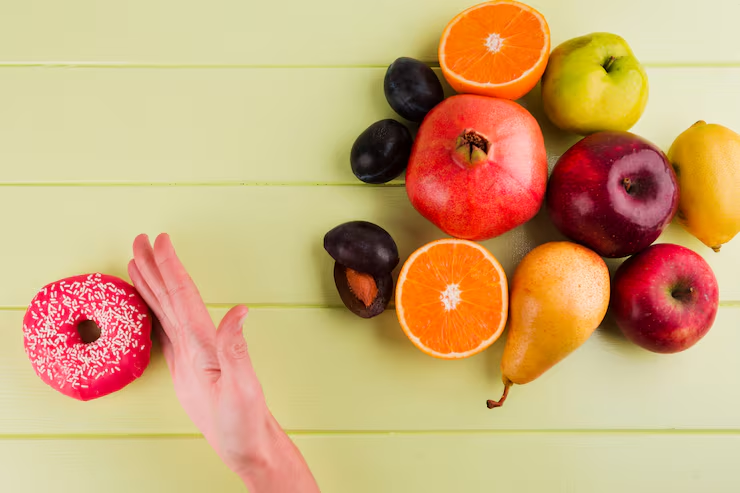
Incorporating gut healthy foods into your daily diet is one of the most effective ways to promote digestive health and improve overall well-being. These foods not only support the balance of good bacteria in your gut but also help reduce inflammation, enhance nutrient absorption, and strengthen your immune system. From probiotic-rich yogurt and kefir to fiber-packed vegetables and fruits, there are plenty of options to choose from that cater to various dietary preferences. Making these foods a regular part of your meals can lead to significant improvements in your gut health, digestion, and overall vitality.
As we’ve seen, the benefits of consuming gut healthy foods go beyond just digestive health. A healthy gut is crucial for mental clarity, mood regulation, and immune function. The connection between gut health and mental well-being is becoming increasingly evident, with studies showing that a balanced microbiome can positively affect mood, cognition, and emotional stability. By focusing on gut-boosting foods, you can enhance not only your digestive health but also your mental and emotional health, ensuring that you feel your best every day.
Incorporating these foods into your diet doesn’t have to be complicated. Simple changes, such as adding more fiber-rich fruits and vegetables, including fermented foods like sauerkraut and yogurt, and opting for whole grains, can make a noticeable difference. By prioritizing gut healthy foods, you’re taking an important step towards long-term health and wellness. So, start making mindful choices today and begin experiencing the benefits of a healthier gut tomorrow. A balanced microbiome is key to unlocking a healthier, happier you.
FAQ’s
Q1. What are the best gut healthy foods?
Gut healthy foods include yogurt, sauerkraut, garlic, oats, bananas, kefir, apples, and leafy greens. These foods are rich in fiber, probiotics, and prebiotics, which promote healthy digestion and support a balanced gut microbiome.
Q2. How do gut healthy foods help digestion?
Gut healthy foods contain probiotics and prebiotics that support the growth of beneficial bacteria in the gut. This helps improve digestion, reduce bloating, and prevent constipation by ensuring the gut functions properly.
Q3. Can I improve my gut health by eating gut healthy foods?
Yes, incorporating gut healthy foods like yogurt, sauerkraut, and fiber-rich vegetables can enhance your gut health. These foods help restore balance to your gut microbiome, support digestion, and strengthen your immune system.
Q4. Are gut healthy foods good for weight loss?
Gut healthy foods, such as fiber-rich fruits and vegetables, can support weight loss by improving digestion and regulating metabolism. A balanced gut microbiome can also reduce inflammation, which may assist in weight management.
Q5. Can I consume gut healthy foods every day?
Yes, consuming gut healthy foods daily is beneficial for long-term digestive health. Including probiotic and prebiotic-rich foods in your regular diet can support gut balance, boost immunity, and improve overall health.