
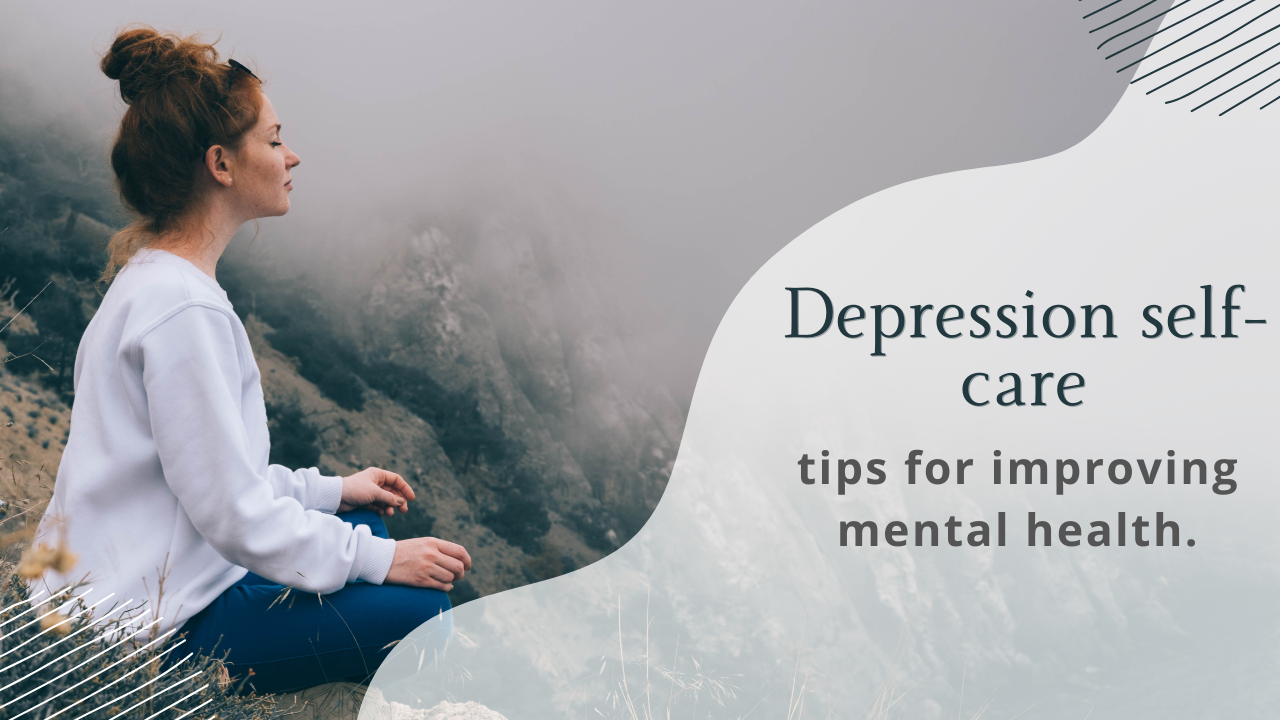
Depression can be a challenging mental health condition, affecting millions of people worldwide. It can feel isolating, overwhelming, and exhausting, often leaving people unsure of where to turn for help. However, one of the most powerful ways to combat depression is through self-care. Incorporating daily practices that focus on your emotional, physical, and mental well-being can make a significant difference in how you feel. In this article, we will explore several effective depression self-care tips to help you improve your mental health and regain a sense of balance and happiness.
Self-care is not just about pampering yourself but involves taking intentional actions to nurture your mind and body. Many individuals with depression often forget to prioritize their own needs, focusing solely on external factors like work, relationships, or other responsibilities. By shifting the focus to your mental health and adopting depression self-care tips, you can experience greater control over your emotional state and ultimately boost your overall well-being. Self-care is a vital tool in managing depression, and it can enhance your resilience when navigating tough times.
When dealing with depression, it’s important to acknowledge that recovery is a process. Each person’s journey with depression is unique, and what works for one individual might not work for another. Nevertheless, incorporating self-care into your routine provides a foundation for healing. Whether it’s through regular exercise, mindfulness, or seeking support from loved ones, the depression self-care tips discussed here will help guide you toward a healthier, more balanced life. Let’s dive deeper into why and how these strategies can support your emotional health.

What are Depression Self Care Tips?
Depression self-care tips are strategies designed to help individuals manage and alleviate the symptoms of depression. These tips focus on enhancing emotional resilience, reducing stress, and promoting mental well-being. Depression self-care goes beyond simply relaxing; it involves actively engaging in practices that nurture your mind, body, and spirit. By implementing these self-care tips, you can feel more empowered to cope with the emotional challenges of depression and regain control over your mental health.
One common depression self-care tip is maintaining a healthy lifestyle. This includes eating nutritious foods, engaging in regular physical activity, and getting sufficient rest. Exercise, for example, helps release endorphins, which are natural mood boosters. Consuming a balanced diet rich in vitamins and minerals also supports brain function, helping to improve your mood and energy levels. Sleep hygiene is equally important, as a lack of rest can exacerbate feelings of sadness, irritability, and fatigue. These lifestyle choices are foundational depression self-care tips that have long-term benefits.
Another crucial self-care tip involves practicing mindfulness and relaxation techniques. Mindfulness encourages individuals to stay present and non-judgmental, which can help reduce feelings of anxiety and depression. Simple practices like meditation, breathing exercises, and yoga can calm the mind, reduce stress, and improve emotional regulation. By incorporating these techniques regularly, you can train your mind to manage overwhelming thoughts and emotions, providing relief from depressive symptoms. These mindfulness practices are valuable depression self-care tips that can make a significant impact on your overall well-being.
Why are Depression Self Care Tips Important?
Depression self-care tips are important because they offer individuals the tools to manage their mental health proactively. Depression often leaves people feeling helpless, with little control over their emotions and circumstances. Self-care gives people the opportunity to regain a sense of control, helping them feel more empowered in their journey toward healing. By intentionally engaging in activities that improve your mental health, you reduce the severity and frequency of depressive episodes, which can prevent a downward spiral of negative emotions.
The practice of self-care has been proven to help reduce symptoms of depression by boosting overall mental and physical health. Engaging in depression self-care tips can lower stress levels, improve sleep quality, and enhance mood. In addition, regular self-care practices can help you build resilience, which is essential in dealing with the ups and downs that come with depression. By focusing on your self-worth and mental well-being, you are better equipped to manage life’s challenges and maintain a positive outlook.
Moreover, depression self-care tips can help bridge the gap between professional treatment and day-to-day management of the condition. While therapy and medication are essential components of treating depression, self-care is an integral part of the healing process. Incorporating these tips alongside professional help allows individuals to maintain a sense of agency over their mental health, accelerating recovery and promoting long-term stability. These depression self-care tips are crucial for sustaining your mental health and achieving a balanced life.
Effective Depression Self Care Tips
Exercise Regularly

Regular exercise is one of the most powerful depression self-care tips you can implement into your routine. Physical activity has been scientifically proven to boost mood by releasing endorphins, which are the body’s natural mood enhancers. When dealing with depression, engaging in regular exercise, such as jogging, walking, or yoga, can significantly improve mental clarity, reduce feelings of sadness, and provide a natural energy boost. Incorporating even a small amount of physical activity each day can help you feel more in control of your emotions.
The impact of exercise on depression goes beyond just physical benefits. It helps improve brain function and boosts serotonin levels, a neurotransmitter that plays a crucial role in mood regulation. Depression self-care tips that include regular exercise can combat the low energy and lethargy that often accompany depression. By committing to a workout routine, you not only improve your physical health but also help reduce the severity of depressive symptoms. Whether it’s a morning jog, an evening walk, or a yoga session, movement can have a profound effect on your mental state.
If you’re new to exercise or feeling overwhelmed, start small and gradually increase the intensity and duration of your workouts. Consistency is key when it comes to using depression self-care tips like exercise, as the cumulative benefits are what will help you manage depression over time. Even just 20-30 minutes of moderate exercise every day can make a huge difference in your emotional and physical well-being, reinforcing its role as one of the most effective depression self-care tips.
Establish a Consistent Sleep Routine
One of the most often overlooked depression self-care tips is the importance of sleep. Many people with depression struggle with sleep disturbances, such as insomnia or excessive sleeping, which can worsen emotional symptoms. Establishing a consistent sleep routine is essential in managing these issues. Try to go to bed and wake up at the same time every day, even on weekends. This regularity helps to regulate your body’s internal clock and promotes better sleep quality.
Poor sleep can exacerbate depressive symptoms by affecting mood, cognitive function, and energy levels. Depression self-care tips that include creating a sleep-friendly environment can also be beneficial. For example, avoid using screens before bed, keep your bedroom cool and dark, and eliminate noise distractions. These small changes can contribute to better sleep hygiene, which in turn helps improve mental health. Sleep deprivation can leave you feeling irritable and exhausted, making it harder to manage depression, which is why a good night’s rest is crucial.
Alongside a consistent sleep schedule, relaxation techniques such as deep breathing or reading a calming book before bed can help promote restful sleep. By incorporating these depression self-care tips into your nightly routine, you can gradually improve the quality of your sleep, which will positively impact your mood and energy levels. Consistent, high-quality sleep plays a vital role in managing depression, and developing a solid sleep routine should be a key part of your depression self-care tips strategy.
Practice Mindfulness and Meditation

Mindfulness is one of the most effective depression self-care tips for managing negative thoughts and emotions. It involves staying present in the moment and observing your thoughts without judgment. Practicing mindfulness can help break the cycle of rumination that often fuels depression. Meditation, breathing exercises, and yoga are excellent tools for practicing mindfulness. These activities help create a sense of calm, reducing anxiety and stress while promoting emotional regulation.
By incorporating mindfulness techniques into your daily routine, you can train your brain to focus on the present rather than getting lost in worries about the future or past. Depression self-care tips like meditation help reduce the impact of overwhelming thoughts and foster a more balanced emotional state. Just 10-15 minutes a day of focused breathing or a guided meditation session can be transformative in reducing symptoms of depression.
Mindfulness and meditation are depression self-care tips that encourage emotional resilience. With consistent practice, you can improve your ability to cope with stress and anxiety, which often accompany depression. These mindfulness practices enable you to step back from your emotions, observe them objectively, and let go of negative thought patterns. Over time, they can become powerful tools in reducing the intensity of depressive episodes.
Maintain a Balanced Diet
Nutrition plays a vital role in managing depression, making it one of the most important depression self-care tips. The foods you eat have a direct effect on your brain chemistry, energy levels, and overall well-being. Incorporating a balanced diet that includes whole grains, fruits, vegetables, lean proteins, and healthy fats can help maintain stable blood sugar levels and support brain function. Foods rich in omega-3 fatty acids, such as salmon, walnuts, and flaxseeds, are particularly beneficial for mental health.
In addition to eating nutrient-dense foods, it’s important to avoid processed foods, excessive sugar, and caffeine, which can trigger mood swings or exacerbate depressive symptoms. Depression self-care tips often emphasize the importance of maintaining a stable diet, as nutrition is closely linked to emotional regulation. By fueling your body with the right nutrients, you can improve your mood and energy levels, making it easier to manage depression.
Staying hydrated is also a key part of a balanced diet and an essential aspect of depression self-care tips. Dehydration can lead to fatigue, irritability, and difficulty concentrating, which can worsen feelings of depression. Drinking plenty of water throughout the day ensures your body functions optimally and supports your mental health. A combination of healthy eating habits and hydration can make a significant difference in managing depression.
Set Realistic Goals

When dealing with depression, even simple tasks can feel overwhelming. One of the most helpful depression self-care tips is to set realistic, achievable goals. Breaking larger tasks into smaller, manageable steps can reduce feelings of anxiety and helplessness. Focus on accomplishing one thing at a time, and celebrate small victories along the way. Setting clear, realistic goals allows you to experience a sense of accomplishment, which boosts self-esteem and helps combat the negative feelings associated with depression.
It’s important to be kind to yourself during this process. Many individuals with depression can be overly critical, setting unattainable goals that only increase feelings of frustration. Depression self-care tips emphasize the need to set goals that are achievable and tailored to your current energy levels. By setting smaller, incremental goals, you build momentum and confidence, which helps you gradually regain control over your life.
Breaking down tasks into manageable pieces and focusing on one step at a time is a powerful depression self-care tip. This approach reduces the feeling of being overwhelmed and makes daily tasks feel more achievable. As you achieve each small goal, you’ll gradually regain your sense of self-worth and begin to feel more in control of your emotional well-being.
Connect with Loved Ones
Depression often leads to feelings of isolation, but maintaining strong social connections is one of the most effective depression self-care tips. Engaging with loved ones, whether through phone calls, video chats, or in-person meetings, can provide emotional support, encouragement, and a sense of belonging. Connecting with others allows you to share your feelings, gain perspective, and receive comfort, all of which can help reduce the intensity of depressive symptoms.
Supportive relationships are crucial for managing depression. Depression self-care tips often encourage individuals to lean on family members, friends, or support groups during difficult times. Socializing with people who understand and care about you can help reduce feelings of loneliness and provide reassurance that you’re not alone in your struggles. Whether it’s talking to a trusted friend or participating in a group activity, meaningful connections are essential for mental well-being.
Even if you feel like withdrawing, maintaining social connections is a vital part of depression self-care tips. Isolation can exacerbate feelings of sadness, making it more difficult to cope with depression. Reach out to others, even if it’s just a small interaction each day. These connections can provide comfort, support, and a sense of community, which are invaluable when managing depression.
Engage in Hobbies or Creative Outlets

Engaging in hobbies or creative activities can be an effective way to combat depression. Depression self-care tips emphasize the importance of doing something you enjoy, whether it’s painting, writing, gardening, or playing an instrument. These activities allow you to express your emotions, focus on something positive, and experience a sense of accomplishment. Creative outlets provide a distraction from negative thoughts and encourage personal growth and self-expression.
Hobbies are beneficial for emotional health because they foster a sense of purpose and fulfillment. When you are depressed, it’s easy to feel like there’s no joy in life. By dedicating time to an activity that you love, you reconnect with your passions and find meaning in your daily routine. Depression self-care tips often encourage individuals to rediscover old hobbies or explore new creative outlets that bring them joy.
Whether it’s through creating art, writing, or even cooking, engaging in hobbies provides an opportunity for self-expression, which can be incredibly therapeutic. These activities are not just a distraction; they are a way to connect with yourself and your emotions. Incorporating hobbies into your daily routine is an important depression self-care tip that can improve your mental and emotional well-being.
Seek Professional Help When Needed
While self-care is essential, it’s equally important to seek professional help if you’re struggling with depression. Depression self-care tips should never replace therapy or medication, especially if your depression is severe or persistent. Mental health professionals can provide the tools, coping strategies, and support needed to manage depression effectively. Therapy, such as cognitive-behavioral therapy (CBT) or talk therapy, can help you identify negative thought patterns and develop healthier ways of thinking.
Seeking help from a mental health professional is a crucial step in overcoming depression. Depression self-care tips should complement professional treatment, not replace it. Professionals can assess the severity of your depression and recommend a treatment plan tailored to your needs. Whether through therapy, counseling, or medication, professional support is an integral part of the healing process.
Incorporating professional help into your depression self-care tips strategy ensures that you are taking a holistic approach to managing your mental health. A combination of self-care practices and professional support can provide the most effective treatment for depression, allowing you to live a healthier, happier life.
Conclusion

In conclusion, depression self-care tips are essential tools for managing mental health and improving overall well-being. While depression can feel isolating and overwhelming, taking small but intentional actions to care for your emotional and physical health can make a significant difference. By incorporating exercise, sleep routines, mindfulness, and other self-care practices into your daily life, you can boost your resilience and reduce the impact of depressive symptoms.
It’s important to recognize that self-care is not a substitute for professional treatment but an essential component of a comprehensive approach to mental health. If you’re struggling with depression, seeking support from a mental health professional is crucial. However, these depression self-care tips can work hand-in-hand with therapy and medication to accelerate recovery and provide long-term relief.
Ultimately, the journey to healing from depression is unique to each individual. By prioritizing self-care, you empower yourself to take control of your mental health and create a life that is balanced, joyful, and fulfilling. Remember, you’re not alone, and every step you take toward self-care is a step closer to feeling better.
FAQs
Q1. What are the most effective depression self-care tips?
The most effective depression self-care tips include regular exercise, maintaining a consistent sleep schedule, practicing mindfulness, eating a balanced diet, and connecting with loved ones. These practices can help improve mental clarity, emotional stability, and overall well-being.
Q2. Can self-care really help with depression?
Yes, self-care plays a significant role in managing depression. Engaging in self-care practices such as exercise, mindfulness, and maintaining a healthy lifestyle can help improve mood, reduce stress, and build resilience. However, it’s important to complement self-care with professional treatment when needed.
Q3. How can mindfulness help with depression?
Mindfulness helps by allowing you to stay present and avoid getting lost in negative thoughts. It can reduce stress, improve emotional regulation, and enhance mental clarity. Practicing mindfulness daily can be a transformative depression self-care tip, supporting long-term emotional health.
Q4. Is it necessary to see a therapist for depression?
While self-care tips are beneficial, seeking professional therapy is essential for treating depression. A therapist can provide personalized guidance, coping strategies, and emotional support that complement self-care practices, ensuring a comprehensive approach to managing depression.
Q5. How do I stay motivated to practice self-care with depression?
Staying motivated can be challenging, but setting small, achievable goals and rewarding yourself for progress is key. Consistently practicing self-care, even on tough days, can improve motivation over time. Remember that every step, no matter how small, contributes to your emotional well-being.