
Fatty liver disease is becoming increasingly common, particularly due to poor dietary habits and sedentary lifestyles. However, making the right dietary choices can significantly reduce the risk and improve liver function. A well-planned meal schedule is an essential aspect of managing and even reversing fatty liver disease. The focus of this article is to offer a 7-day meal plan for fatty liver, designed to cleanse the liver, restore its health, and maintain overall well-being. This comprehensive meal plan provides a balanced approach, combining nutrient-dense foods that support liver function.
The liver plays a crucial role in detoxification, digestion, and metabolism. When it accumulates excess fat, it can lead to serious complications like cirrhosis or liver failure. Thus, following a carefully curated meal plan is essential. This plan is designed to provide essential nutrients, reduce inflammation, and promote detoxification, all of which contribute to the recovery of the liver. The 7-day meal plan for fatty liver is structured to enhance liver health while also providing a variety of foods that are easy to prepare and delicious.
In this guide, we’ll delve into the specifics of each day’s meal plan, including breakfast, lunch, and dinner, along with snack options. By adhering to this 7-day meal plan for fatty liver, you can nourish your body and support the liver in its natural detoxification process. It’s important to remember that alongside dietary changes, other lifestyle adjustments like regular exercise and stress management are also beneficial. This plan will guide you through a balanced, liver-friendly diet that can make a significant difference to your overall health.

What is a 7-Day Meal Plan for Fatty Liver?
A 7-day meal plan for fatty liver is a carefully designed nutrition program aimed at addressing the symptoms of fatty liver disease. The goal is to provide foods that reduce inflammation, support liver repair, and improve overall liver function. The plan includes a combination of fruits, vegetables, lean proteins, whole grains, and healthy fats, which are all known for their liver-supporting properties. By following this plan, individuals can expect to reduce the fat buildup in their liver, minimize the risk of liver disease progression, and promote overall wellness.
The liver is responsible for processing fats, toxins, and waste products. When the liver becomes overloaded with fat, it can’t perform its job effectively, which leads to a condition known as non-alcoholic fatty liver disease (NAFLD). A well-balanced diet that focuses on anti-inflammatory foods and those that support detoxification is essential for improving liver health. A 7-day meal plan for fatty liver is designed to make these dietary changes easy to follow. By incorporating liver-friendly foods into daily meals, the plan ensures the intake of necessary nutrients while keeping fat levels in check.
Key elements of a 7-day meal plan for fatty liver include foods high in fiber, antioxidants, vitamins, and minerals. Foods such as leafy greens, berries, nuts, seeds, and fatty fish are particularly beneficial for liver health. By including these foods in your daily meals, you can actively support liver detoxification and regeneration. Additionally, avoiding foods that are high in saturated fats, refined sugars, and processed foods is just as important in this meal plan.
Why is a 7-Day Meal Plan for Fatty Liver Important?
The importance of a 7-day meal plan for fatty liver cannot be overstated. Fatty liver disease is often the result of poor eating habits and a lack of physical activity. Without intervention, it can lead to more severe conditions like liver cirrhosis or liver failure. The 7-day meal plan for fatty liver offers a structured approach to reduce fat buildup in the liver and improve liver function over time. By carefully selecting foods that nourish the liver and promote detoxification, this meal plan helps reduce the risk of further liver damage.
A proper diet helps in regulating liver enzymes, reducing inflammation, and improving blood flow to the liver, which enhances its detoxification capabilities. The foods in the 7-day meal plan for fatty liver are rich in nutrients that support liver health, including antioxidants, omega-3 fatty acids, and fiber. These nutrients are essential for reducing oxidative stress, which is a major contributor to liver damage. The plan also helps maintain a healthy weight, which is critical for managing fatty liver disease.
By focusing on whole, unprocessed foods, this meal plan encourages healthier eating patterns that can lead to long-term benefits. Over the course of seven days, individuals can begin to feel more energized, notice improved digestion, and experience a reduction in symptoms associated with fatty liver disease, such as bloating and fatigue. This 7-day meal plan serves as a foundation for better liver health and encourages a holistic approach to managing fatty liver disease.
A Comprehensive Guide for Better Health
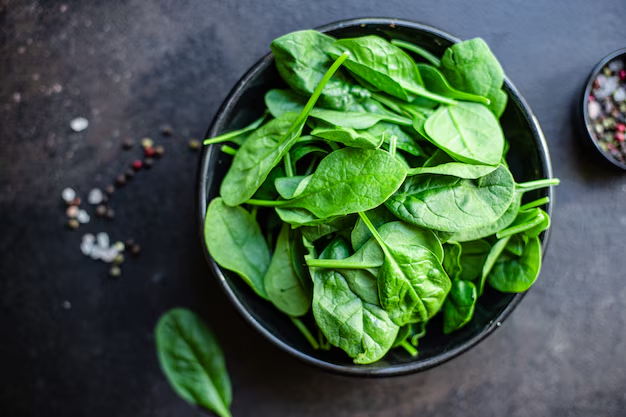
Leafy Greens (Spinach, Kale, Swiss Chard)
Nutritional Benefits:
Leafy greens are a cornerstone of a 7-day meal plan for fatty liver due to their high antioxidant content. They are rich in vitamins A, C, and K, and are particularly beneficial for liver health due to their ability to reduce oxidative stress and inflammation. These greens also contain chlorophyll, which has been shown to support liver detoxification by binding to toxins and removing them from the body. Additionally, leafy greens are high in fiber, which aids digestion and ensures proper bowel function, reducing the load on the liver.
How to Make It:
Incorporating leafy greens into your 7-day meal plan for fatty liver is simple and versatile. You can add them to smoothies, salads, or sauté them lightly with olive oil and garlic for a nutrient-dense side dish. A great option is a spinach and kale salad with avocado, cherry tomatoes, and a lemon vinaigrette. This can be consumed for lunch or dinner. You can also prepare leafy green smoothies with spinach, kale, and fruits like berries, which will give you both antioxidants and fiber. It’s important to consume them in raw or lightly cooked forms to retain maximum nutritional value.
Fatty Fish (Salmon, Sardines, Mackerel)
Nutritional Benefits:
Fatty fish are a key component in a 7-day meal plan for fatty liver because they are rich in omega-3 fatty acids. Omega-3s are essential for reducing liver fat and inflammation. These healthy fats not only promote better liver health but also improve cardiovascular health, which is important when dealing with liver disease. Omega-3 fatty acids help to reduce triglycerides, lower bad cholesterol levels, and improve overall liver function. Additionally, fatty fish are a great source of lean protein, which is essential for repairing liver cells.
How to Make It:
In a 7-day meal plan for fatty liver, fatty fish can be incorporated easily into your meals. Try grilling salmon with a drizzle of olive oil, lemon juice, and herbs for a simple, healthy dinner. Another easy method is to add canned sardines to salads or whole grain pasta for a quick, liver-friendly meal. You can also bake mackerel with a bit of garlic and fresh herbs, or enjoy it in a light stew or soup. These fish can be consumed three to four times per week, ensuring an adequate intake of omega-3s and protein to support liver health.
Berries (Blueberries, Strawberries, Raspberries)

Nutritional Benefits:
Berries are packed with antioxidants, which are crucial for reducing liver inflammation and oxidative damage. The high levels of anthocyanins, flavonoids, and vitamin C in berries make them powerful allies in a 7-day meal plan for fatty liver. These antioxidants help neutralize free radicals and reduce liver cell damage. Additionally, the fiber content in berries promotes healthy digestion and helps regulate blood sugar levels, which is essential for liver function. Fiber also supports the reduction of fat accumulation in the liver, making berries an excellent choice for fatty liver disease.
How to Make It:
Adding berries to your 7-day meal plan for fatty liver can be both delicious and easy. You can enjoy a handful of mixed berries as a snack, add them to your breakfast cereal or oatmeal, or blend them into smoothies for a refreshing treat. A great option is a berry smoothie with spinach, flaxseeds, and almond milk. You can also sprinkle berries on salads, or mix them with Greek yogurt for a healthy dessert. The natural sweetness of berries makes them a perfect addition to any meal plan, offering flavor and nutrition while supporting liver health.
Nuts and Seeds (Walnuts, Chia Seeds, Flaxseeds)
Nutritional Benefits:
Nuts and seeds are rich in healthy fats, particularly omega-3s, which play an essential role in reducing inflammation and promoting liver function. Walnuts, for example, are high in antioxidants and polyunsaturated fats that support liver health. Chia seeds and flaxseeds are excellent sources of fiber, omega-3 fatty acids, and lignans, which help reduce fat buildup in the liver. Including nuts and seeds in a 7-day meal plan for fatty liver can help improve liver function by supporting detoxification and lowering cholesterol levels.
How to Make It:
To incorporate nuts and seeds into your 7-day meal plan for fatty liver, try sprinkling them on salads, yogurt, or smoothies. You can also mix chia seeds or flaxseeds into oatmeal or add them to your baking recipes for added nutrition. Walnuts can be added to trail mixes or enjoyed as a snack on their own. For an easy and nutritious breakfast, try a chia seed pudding made with almond milk and topped with fresh berries. This combination will not only provide fiber but also omega-3s and antioxidants that support liver health.
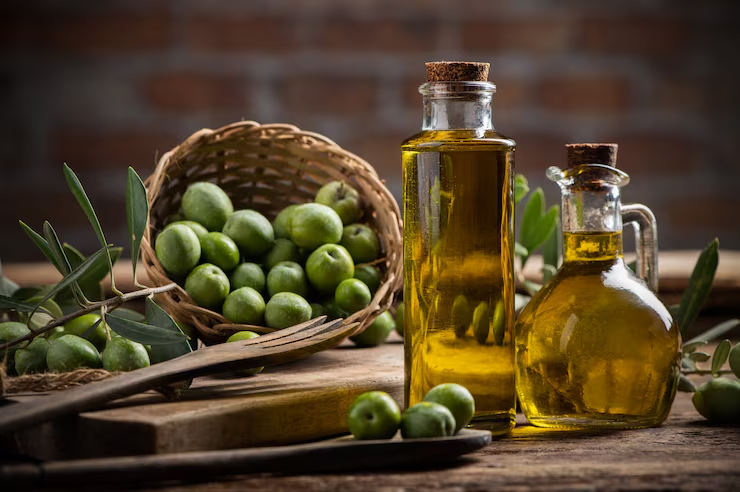
Olive Oil
Nutritional Benefits:
Olive oil, particularly extra virgin olive oil, is an essential fat in a 7-day meal plan for fatty liver. It is rich in monounsaturated fats and antioxidants like vitamin E, which help reduce inflammation in the liver. Olive oil has been shown to improve liver function by lowering liver enzymes and reducing fat accumulation. Additionally, the oleic acid in olive oil helps promote fat metabolism, which is crucial for those with fatty liver disease. Regular consumption of olive oil supports liver detoxification and enhances overall health.
How to Make It:
Incorporating olive oil into your 7-day meal plan for fatty liver is easy. Use it as a base for salad dressings by combining it with lemon juice, balsamic vinegar, and herbs. Drizzle it over roasted vegetables, or use it to sauté leafy greens like spinach and kale. For a heart-healthy snack, dip whole grain bread in olive oil infused with garlic and herbs. Olive oil can also be used to make homemade hummus or other dips, providing a tasty and liver-friendly accompaniment to your meals.
Cruciferous Vegetables (Broccoli, Cauliflower, Brussels Sprouts)
Nutritional Benefits:
Cruciferous vegetables like broccoli, cauliflower, and Brussels sprouts are rich in sulfur compounds, which play a key role in detoxifying the liver. These vegetables help stimulate the liver’s natural detox enzymes and promote the breakdown of harmful toxins and excess hormones. Additionally, cruciferous vegetables are high in fiber, which supports digestion and reduces fat accumulation in the liver. By including these vegetables in a 7-day meal plan for fatty liver, you can improve liver function, boost detoxification, and support overall liver health.
How to Make It:
Cruciferous vegetables are versatile and can be added to your 7-day meal plan for fatty liver in various ways. Roast Brussels sprouts with olive oil and garlic for a delicious side dish, or steam broccoli and toss it with lemon juice and a sprinkle of Parmesan cheese. You can also add cauliflower to soups and stews, or mash it as a low-carb alternative to mashed potatoes. Cruciferous vegetables can be enjoyed in salads, stir-fries, or as a main dish when combined with lean proteins like chicken or tofu.
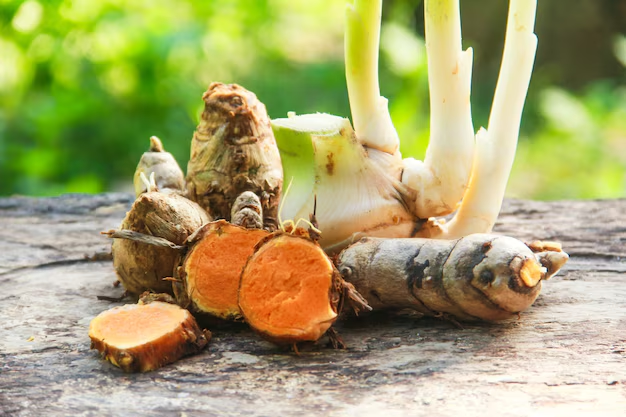
Turmeric
Nutritional Benefits:
Turmeric contains curcumin, a powerful compound known for its anti-inflammatory and antioxidant properties. Curcumin helps reduce oxidative stress in the liver and lowers inflammation, making turmeric a valuable addition to a 7-day meal plan for fatty liver. It also aids in fat metabolism and helps break down fat in the liver. Turmeric has been shown to improve liver function by enhancing bile production and promoting liver cell regeneration. Including turmeric in your diet can help slow the progression of fatty liver disease and protect liver health.
How to Make It:
Turmeric can be easily incorporated into your 7-day meal plan for fatty liver by adding it to curries, soups, and stews. You can also mix turmeric with warm water and a bit of black pepper to make a soothing detox drink. Another option is to add turmeric to smoothies or use it as a seasoning for roasted vegetables. For a liver-friendly snack, try turmeric hummus or add it to rice dishes for extra flavor and health benefits.
Green Tea
Nutritional Benefits:
Green tea is rich in catechins, a type of antioxidant that helps reduce liver fat and improves liver function. These antioxidants help reduce oxidative stress and inflammation in the liver, which is crucial for those suffering from fatty liver disease. Green tea has also been shown to lower liver enzyme levels, making it a beneficial addition to a 7-day meal plan for fatty liver. Regular consumption of green tea can enhance fat metabolism and support detoxification, contributing to overall liver health.
How to Make It:
Incorporate green tea into your 7-day meal plan for fatty liver by drinking it throughout the day. Start your morning with a cup of green tea, or enjoy a cup after lunch or dinner to aid digestion. For added flavor and health benefits, add a slice of lemon or a few fresh mint leaves. You can also use green tea as a base for smoothies or homemade iced tea for a refreshing, liver-friendly beverage.
Avocados
Nutritional Benefits:
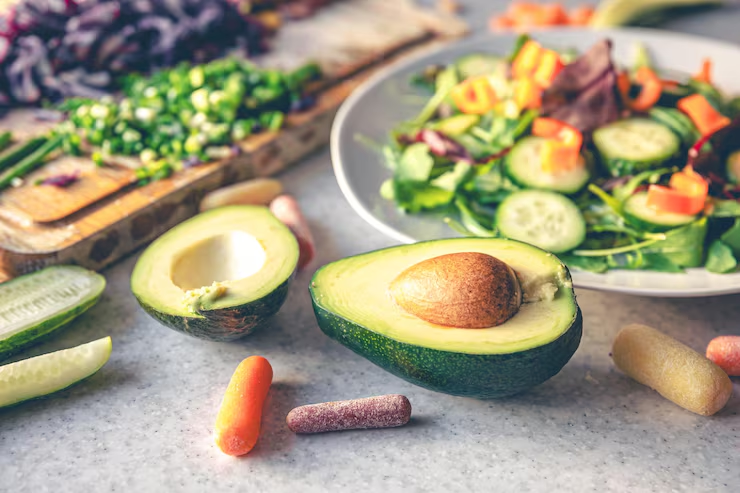
Avocados are packed with healthy monounsaturated fats, fiber, and antioxidants that make them a powerful addition to a 7-day meal plan for fatty liver. The healthy fats in avocados support the liver’s natural detoxification processes and help reduce fat buildup in the liver. They are also rich in glutathione, a powerful antioxidant that protects the liver from oxidative damage and supports its ability to detoxify. Avocados also promote healthy cholesterol levels and support heart health, making them an all-around beneficial food for liver health.
How to Make It:
Avocados are incredibly versatile and can be added to your 7-day meal plan for fatty liver in many ways. Spread avocado on whole-grain toast, mix it into salads, or blend it into smoothies for a creamy texture. You can also enjoy guacamole with raw vegetables or whole-grain crackers. For a heart-healthy meal, add sliced avocado to your sandwiches or wraps, or use it as a topping for grilled chicken or fish.
Whole Grains (Oats, Quinoa, Brown Rice)
Nutritional Benefits:
Whole grains are an essential part of a 7-day meal plan for fatty liver because they are high in fiber, which helps regulate blood sugar levels and reduces fat accumulation in the liver. Foods like oats, quinoa, and brown rice are rich in B vitamins and minerals like magnesium, which support liver function and overall health. The fiber in whole grains also promotes digestion, reduces inflammation, and supports the liver’s detoxification process by helping to eliminate toxins and waste products from the body.
How to Make It:
To incorporate whole grains into your 7-day meal plan for fatty liver, opt for oatmeal or quinoa for breakfast, or use brown rice as a base for lunch or dinner. You can make a quinoa salad with vegetables and olive oil, or enjoy brown rice with grilled fish and vegetables. Whole grains can also be used in soups, stews, and stir-fries, providing fiber and essential nutrients that support liver health while keeping your meals satisfying and nutritious.
Conclusion

In conclusion, following a well-structured 7-day meal plan for fatty liver can provide significant health benefits and play a crucial role in managing and improving liver function. The liver is a vital organ responsible for detoxifying the body, processing fats, and aiding digestion. When it accumulates excess fat, it can impair its ability to perform these critical functions. By adopting a balanced and nutrient-rich meal plan, individuals can reduce fat buildup in the liver and prevent further damage. A 7-day meal plan for fatty liver incorporates anti-inflammatory foods, lean proteins, healthy fats, and fiber, which work together to support liver health and enhance detoxification.
Moreover, while the 7-day meal plan for fatty liver offers a short-term solution, it is vital to continue with similar dietary habits for long-term liver health. This meal plan not only helps in reducing liver fat but also promotes overall well-being by providing the body with essential nutrients, antioxidants, and vitamins. The plan helps in improving digestion, boosting energy levels, and reducing the risk of complications associated with fatty liver disease. Over time, adherence to this diet can result in significant improvements in liver function and a reduction in the symptoms of fatty liver.
Incorporating a 7-day meal plan for fatty liver into your daily routine is an effective step toward taking control of your health. However, it is essential to combine this plan with regular physical activity, proper hydration, and overall lifestyle changes. By doing so, you can maintain a healthy liver, reduce inflammation, and enjoy a better quality of life. Whether you’re aiming for prevention or seeking to improve your liver health, a 7-day meal plan for fatty liver provides a solid foundation for lasting health improvements.
FAQ’s
Q1. What foods should I avoid on a 7-day meal plan for fatty liver?
It is essential to avoid processed foods, refined sugars, and foods high in unhealthy fats. These foods can contribute to further fat buildup in the liver and exacerbate fatty liver disease. Stick to whole, nutrient-dense foods to support liver health.
Q2. Can a 7-day meal plan for fatty liver reverse the condition?
While a 7-day meal plan for fatty liver can significantly improve liver function and reduce fat buildup, it is important to note that long-term dietary and lifestyle changes are necessary to fully reverse fatty liver disease.
Q3. How can I incorporate exercise with a 7-day meal plan for fatty liver?
Alongside a healthy diet, regular exercise is key to managing fatty liver disease. Aim for at least 30 minutes of moderate physical activity, such as walking or cycling, every day to improve liver health and maintain a healthy weight.
Q4. Can I drink alcohol while following a 7-day meal plan for fatty liver?
It is highly recommended to avoid alcohol while following a 7-day meal plan for fatty liver, as alcohol can exacerbate liver damage and worsen fatty liver disease. Focus on hydration with water, herbal teas, or freshly squeezed juices.
Q5. What are the long-term benefits of following a 7-day meal plan for fatty liver?
The long-term benefits include improved liver function, better digestion, reduced inflammation, and the prevention of further liver damage. Adopting this meal plan can help maintain a healthy liver, support detoxification, and prevent the progression of fatty liver disease.