

Cinnamon has long been cherished for its aromatic flavor and rich history in traditional medicine. In recent years, research has increasingly highlighted its role in managing blood sugar levels, making it an essential natural remedy for people with diabetes or those looking to regulate their blood sugar. This article will explore the various ways cinnamon can positively impact blood sugar, its nutritional benefits, and how to incorporate it into your daily routine. Whether you’re dealing with insulin resistance or simply aiming to improve your overall health, cinnamon might be the answer you’ve been looking for. By understanding its powerful properties, you can harness its potential to enhance your well-being.
The significance of managing blood sugar levels is often overlooked until issues like diabetes or hypoglycemia arise. Poor blood sugar control can lead to a variety of health problems, including fatigue, dizziness, and long-term complications. Fortunately, natural remedies such as cinnamon have shown promise in stabilizing blood sugar and offering support to those dealing with these conditions. Cinnamon for blood sugar is more than just an old wives’ tale; scientific studies have provided solid evidence that this spice can help enhance insulin sensitivity, improve metabolism, and provide other important health benefits.
Integrating cinnamon into your daily routine is relatively simple and requires minimal effort. It can be easily incorporated into foods such as smoothies, teas, oatmeal, and baked goods. By understanding the benefits of cinnamon for blood sugar control and learning how to use it effectively, you can create a powerful tool for improving your health naturally. So, let’s delve into the nutritional benefits of cinnamon, how to make it part of your diet, and the science behind its positive effects on blood sugar levels.

What is Cinnamon for Blood Sugar?
Cinnamon, derived from the bark of trees belonging to the Cinnamomum family, is a spice widely used in cooking and traditional medicine. For centuries, it has been valued for its medicinal properties, especially in regulating blood sugar levels. Cinnamon contains bioactive compounds such as cinnamaldehyde, which is believed to be responsible for many of its health benefits. One of the most significant ways cinnamon benefits the body is by improving insulin sensitivity, which helps cells absorb glucose more efficiently.
Insulin resistance, a condition where the body’s cells become less responsive to insulin, is a key factor in the development of type 2 diabetes. Studies have shown that cinnamon can reduce insulin resistance, helping the body regulate blood sugar levels more effectively. Additionally, cinnamon can slow down the rate at which food leaves the stomach, preventing sudden spikes in blood sugar after meals. This makes it particularly beneficial for people with diabetes, as it helps maintain stable blood glucose levels throughout the day.
Another important aspect of cinnamon’s role in blood sugar management is its ability to lower fasting blood glucose levels. By improving insulin function and reducing inflammation, cinnamon can help prevent the chronic rise in blood sugar that often accompanies type 2 diabetes. While it is not a replacement for medication, cinnamon can be a useful addition to a comprehensive blood sugar management plan that includes proper diet, exercise, and medication when necessary.
Why Cinnamon is Effective for Blood Sugar Control?
Cinnamon’s effectiveness in managing blood sugar levels stems from its unique composition of active compounds, particularly cinnamaldehyde, which has demonstrated a variety of benefits. One of the primary mechanisms through which cinnamon regulates blood sugar is by improving the body’s sensitivity to insulin. Insulin is a hormone that helps cells absorb glucose from the bloodstream, and when the body becomes resistant to insulin, blood sugar levels rise uncontrollably. Cinnamon can enhance the function of insulin receptors, allowing the cells to take in glucose more efficiently.
Cinnamon also plays a role in reducing inflammation, a key factor in insulin resistance. Chronic low-level inflammation can impair insulin signaling and worsen blood sugar control. By reducing this inflammation, cinnamon helps to restore the proper function of insulin and improve blood glucose regulation. Additionally, cinnamon contains antioxidants that help protect the body from oxidative stress, which can damage cells and tissues. This contributes to overall health and may further improve blood sugar control.
Moreover, cinnamon has been shown to have a mild effect on slowing down the digestion of carbohydrates. This slows the absorption of glucose into the bloodstream, preventing large spikes in blood sugar following meals. This is especially useful for individuals who are prone to postprandial hyperglycemia, or high blood sugar levels after eating. By stabilizing blood sugar levels, cinnamon can help prevent both immediate spikes and long-term fluctuations that are common in those with diabetes.
Powerful Benefits and How to Use It Effectively
Start Your Day with Cinnamon Tea

One of the easiest and most effective ways to incorporate cinnamon for blood sugar control is by starting your day with cinnamon tea. This simple drink can help regulate blood sugar levels and provide you with a morning boost. To make cinnamon tea, all you need to do is steep a cinnamon stick in hot water for 5-10 minutes. Cinnamon’s active compounds, especially cinnamaldehyde, are released into the water, helping to improve insulin sensitivity and regulate blood glucose. This is a natural, no-calorie way to begin your day on a healthy note.
Drinking cinnamon tea regularly can have long-term benefits for those trying to manage their blood sugar. Research has shown that cinnamon helps slow down the digestion of carbohydrates, preventing blood sugar spikes after meals. By drinking cinnamon tea in the morning, you can prepare your body for better glucose control throughout the day, reducing the chances of significant fluctuations in blood sugar.
In addition to stabilizing blood sugar levels, cinnamon for blood sugar helps reduce inflammation and oxidative stress, both of which contribute to insulin resistance. A cup of cinnamon tea can have calming effects, promoting relaxation while also supporting your body’s ability to maintain balanced blood sugar levels throughout the day. For even more benefits, try adding a slice of lemon or a teaspoon of honey to enhance the flavor and boost antioxidants.
Add Cinnamon to Your Morning Smoothie
One of the easiest ways to incorporate cinnamon for blood sugar control into your daily routine is by adding it to your morning smoothie. Cinnamon for blood sugar regulation works wonders when mixed with other nutrient-rich ingredients like berries, spinach, and almond milk. This combination not only boosts the flavor but also provides a healthy, blood-sugar-stabilizing meal to start your day. A smoothie is an excellent vehicle for cinnamon’s benefits as it allows for easy integration of the spice with other antioxidant-rich foods.
The active compounds in cinnamon for blood sugar, especially cinnamaldehyde, have been shown to enhance insulin sensitivity, which can help lower your blood sugar levels. Insulin resistance is one of the leading causes of high blood sugar, and cinnamon for blood sugar control works to improve how the body processes glucose. By starting your day with a cinnamon-infused smoothie, you’re setting a positive tone for managing your blood sugar throughout the day.
Adding cinnamon for blood sugar to a smoothie isn’t just tasty; it’s a practical way to maintain balanced glucose levels. Consider experimenting with different ingredients, like chia seeds, flax seeds, or protein powder, to further promote blood sugar balance. Cinnamon’s ability to reduce post-meal blood sugar spikes makes it an ideal addition to your morning routine.
Sprinkle Cinnamon on Your Oatmeal
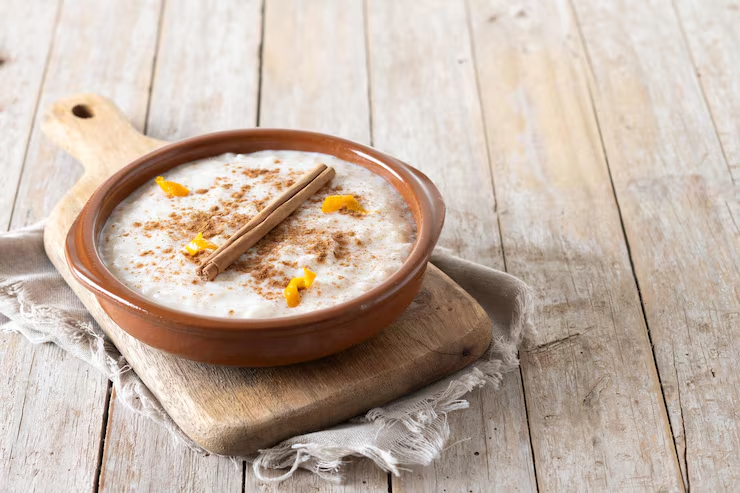
Another simple way to enjoy the benefits of cinnamon for blood sugar is by sprinkling it on your morning oatmeal. Oatmeal is a healthy, fiber-rich breakfast option, and adding cinnamon not only enhances its flavor but also boosts its blood sugar-regulating properties. Cinnamon has been shown to improve insulin sensitivity and slow down the absorption of glucose into the bloodstream, which can prevent the post-meal blood sugar spikes that are common in individuals with diabetes.
By adding cinnamon to your oatmeal, you make an already healthy breakfast even more blood-sugar-friendly. Fiber, a key component of oatmeal, slows the digestion of carbohydrates, which, combined with the effects of cinnamon, helps keep blood sugar levels more stable throughout the morning. This is especially important if you’re trying to control your blood glucose levels or prevent diabetes.
To maximize the effects of cinnamon for blood sugar control, you can also add other low-glycemic foods to your oatmeal, such as chia seeds, flaxseeds, and berries. These foods work synergistically with cinnamon to provide a filling and blood sugar-stabilizing breakfast. This is an easy, sustainable way to use cinnamon as part of a healthy daily routine.
Incorporate Cinnamon into Baking Recipes
If you love to bake, consider using cinnamon for blood sugar control by adding it to your recipes. Baked goods like whole-grain muffins, pancakes, and cookies can benefit from the blood sugar-regulating effects of cinnamon. When used in recipes that include whole grains, cinnamon enhances the nutritional value of the dish and provides additional blood sugar support.
Cinnamon slows the absorption of glucose into the bloodstream, so adding it to your baked goods can help prevent the typical sugar spikes that come with eating carbohydrate-rich foods. By swapping out refined sugar for natural sweeteners like stevia or monk fruit and incorporating cinnamon into your recipes, you create healthier alternatives that are still delicious and satisfying.
You can add ground cinnamon to virtually any baked good—whether it’s pancakes, oatmeal cookies, or banana bread. The versatility of cinnamon allows you to experiment with different types of healthy baked goods that can help manage your blood sugar levels. So, next time you bake, make sure to sprinkle in some cinnamon for blood sugar benefits.
Take Cinnamon Supplements
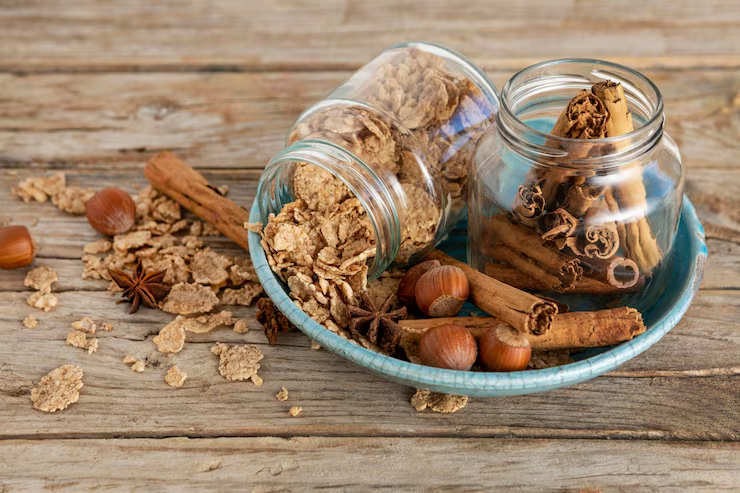
If you’re looking for a more concentrated dose of cinnamon for blood sugar, supplements are an easy and convenient option. Cinnamon supplements, such as capsules or extracts, provide a standardized dose of cinnamon’s active compounds, such as cinnamaldehyde, which is responsible for its insulin-sensitizing effects. For individuals who find it difficult to consume cinnamon in its natural form, supplements offer a reliable alternative.
Taking cinnamon for blood sugar supplements may help improve fasting blood glucose levels, reduce insulin resistance, and aid in the management of prediabetes and type 2 diabetes. Always check with your healthcare provider before starting any supplement regimen to ensure the dosage is appropriate for your needs. The benefits of cinnamon for blood sugar may be more pronounced when combined with other healthy lifestyle choices such as diet and exercise.
When choosing cinnamon for blood sugar supplements, opt for those that use Ceylon cinnamon (true cinnamon) rather than Cassia cinnamon, as Ceylon contains lower levels of coumarin, a compound that can be harmful in large quantities. Look for high-quality, standardized supplements to get the most benefit from your cinnamon intake.
Mix Cinnamon into Your Coffee or Tea
If you’re someone who enjoys a cup of coffee or tea in the morning, adding cinnamon for blood sugar benefits is a simple and effective way to boost your blood sugar management. Cinnamon blends perfectly with both hot coffee and tea, providing a rich, warm flavor while supporting healthy glucose levels. Whether you’re sipping on your favorite black coffee or herbal tea, a dash of cinnamon can help stabilize your blood sugar and provide other health benefits.
Cinnamon not only helps slow the absorption of glucose into the bloodstream but also improves insulin sensitivity, which is crucial for blood sugar regulation. Adding cinnamon to your coffee or tea enhances the taste without adding extra sugar or calories, making it an ideal option for those who want to control their blood sugar levels while avoiding sugary additives.
Another great option is to add cinnamon to your iced coffee or iced tea during the summer months. The refreshing cold beverage combined with the warmth of cinnamon makes for a perfect, blood-sugar-friendly drink. This small addition can make a big difference in your blood sugar levels and your overall health.
Use Cinnamon in Savory Dishes

While cinnamon for blood sugar is often used in sweet dishes, it can also be added to savory meals for a surprising twist that promotes blood sugar control. Adding cinnamon for blood sugar to stews, curries, and even roasted vegetables is an excellent way to incorporate this spice into your diet. Cinnamon enhances the flavor of savory dishes while helping to stabilize blood sugar levels and reduce insulin resistance.
Cinnamon’s ability to slow down the digestion of carbohydrates means that adding it to savory dishes can prevent rapid glucose absorption, thus keeping blood sugar levels more balanced after meals. Consider adding a pinch of cinnamon for blood sugar to soups, stir-fries, or roasted root vegetables to elevate the flavor and support your blood sugar management.
Using cinnamon in savory dishes not only enhances the taste but also provides the health benefits of antioxidants and anti-inflammatory properties. By incorporating it into your meals, you can naturally support your blood sugar regulation while enjoying a variety of flavors. add another layer of support for your blood sugar levels while enjoying a diverse and flavorful diet.
Try Cinnamon-Infused Water
Cinnamon-infused water is a refreshing and simple way to enjoy the blood sugar-regulating benefits of cinnamon throughout the day. By infusing water with cinnamon for blood sugar, you can create a low-calorie, hydrating drink that also helps manage blood sugar. Simply add a cinnamon stick to a water bottle or pitcher, and let it infuse for several hours or overnight. This allows the active compounds in the cinnamon to dissolve into the water, providing its blood sugar-regulating benefits with every sip.
Drinking cinnamon for blood sugar-infused water can help improve insulin sensitivity and promote stable blood glucose levels. It’s also a great option for those who don’t want to drink sugary beverages or want a flavored alternative to plain water. Infused water keeps you hydrated while supporting your blood sugar regulation, making it an easy and enjoyable way to support your health.
If you prefer a more concentrated cinnamon flavor, you can also add ground cinnamon to water. Just be sure to stir it well to ensure it dissolves. For a slightly sweetened version, consider adding a bit of honey or stevia to the water. Cinnamon for blood sugar-infused water is a simple yet effective way to enjoy the benefits of cinnamon while staying hydrated throughout the day. It is a healthy, refreshing way to enjoy cinnamon’s blood sugar benefits throughout the day.
Conclusion

Cinnamon for blood sugar control is a promising and natural approach that offers numerous health benefits. With its ability to improve insulin sensitivity, reduce inflammation, and slow down glucose absorption, cinnamon is an excellent addition to any blood sugar management plan. Whether you are looking to prevent blood sugar spikes, enhance your metabolism, or simply improve your overall health, cinnamon can play a crucial role.
Incorporating cinnamon for blood sugar into your diet is easy and can be done through a variety of delicious and nutritious methods. From cinnamon tea to smoothies and baked goods, there are countless ways to enjoy this flavorful spice while reaping its health benefits. By making cinnamon for blood sugar a part of your daily routine, you can naturally support healthy blood sugar levels and enjoy better overall well-being.
As with any dietary change, it is important to approach cinnamon for blood sugar consumption in moderation and consult with a healthcare provider if you have underlying health conditions. Combining cinnamon with a balanced diet, regular exercise, and proper medical care can help you maintain optimal blood sugar levels and improve your long-term health outcomes.
FAQ’s
Q1. Can cinnamon help lower blood sugar levels?
Yes, cinnamon has been shown to improve insulin sensitivity and lower fasting blood sugar levels, making it an effective natural remedy for people with type 2 diabetes or insulin resistance.
Q2. How much cinnamon should I consume daily to manage blood sugar?
The ideal amount of cinnamon for blood sugar control is typically between 1 to 6 grams per day. This can be easily incorporated into your diet through tea, smoothies, or baked goods.
Q3. Is there a specific type of cinnamon that works best for blood sugar?
Ceylon cinnamon, also known as “true cinnamon,” is often considered the best for blood sugar control due to its lower coumarin content. However, Cassia cinnamon is more commonly available and still provides health benefits.
Q4. Can cinnamon replace medication for blood sugar control?
While cinnamon can be a helpful addition to a blood sugar management plan, it should not replace prescribed medication. Always consult with a healthcare provider for personalized advice.
Q5. Are there any side effects of consuming cinnamon?
In moderation, cinnamon is safe for most people. However, excessive consumption of Cassia cinnamon can lead to toxicity due to high levels of coumarin. Stick to recommended daily limits to avoid potential side effects.