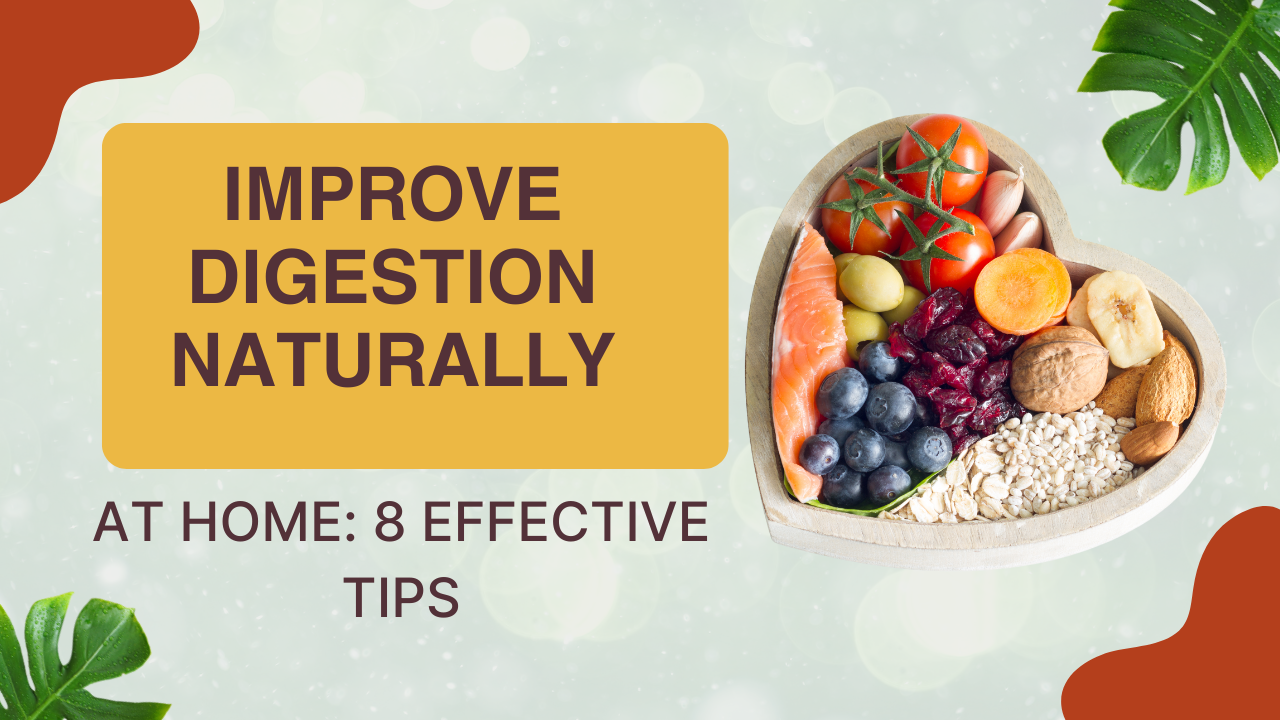
Digestive health plays a critical role in our overall well-being. It influences energy levels, immunity, and even mental clarity. Poor digestion can lead to a range of issues like bloating, constipation, and discomfort. Many people search for natural solutions to improve digestion at home, avoiding the need for medications or drastic dietary changes. Fortunately, there are a variety of natural methods that can significantly enhance digestive function without relying on harsh treatments.
When we talk about improving digestion naturally, it’s essential to focus on healthy habits that nurture the digestive system. With a few lifestyle changes and the incorporation of certain foods, you can restore balance in your gut and experience greater digestive comfort. This article will explore how to improve digestion naturally at home through simple yet effective practices, including diet, hydration, and specific herbal remedies.
From consuming the right foods to adopting mindful eating habits, you can begin to heal your digestive system without professional intervention. Each method is not only safe but can also become part of your everyday routine. Let’s dive into these approaches and discover how they can help improve digestion naturally at home.

What is Digestion and Why is It Important?
Digestion is the process by which the body breaks down food into essential nutrients that can be absorbed and utilized by cells. The digestive system, including the stomach, intestines, and digestive enzymes, works together to break down food efficiently. Proper digestion is crucial because it allows the body to extract the nutrients needed for energy production, immune function, and overall well-being. Without effective digestion, the body may not get the nutrients it requires, leading to a variety of health issues. By focusing on ways to improve digestion naturally at home, you can support your digestive system and avoid these complications, promoting better overall health.
When digestion is working well, the body can absorb nutrients more effectively, resulting in improved energy levels and a reduction in bloating and discomfort. On the contrary, poor digestion can lead to problems such as acid reflux, constipation, or malabsorption, where the body is unable to absorb vital nutrients. These digestive issues can affect overall health, weakening the immune system, lowering energy levels, and even leading to symptoms like brain fog and mood swings. For this reason, learning how to improve digestion naturally at home is an important step toward better health.
There are several natural methods to support the digestive system and promote better digestion. Simple lifestyle changes like staying hydrated, eating fiber-rich foods, and managing stress can significantly enhance digestive function. Additionally, incorporating probiotics and herbal remedies into your routine can further improve digestion. By focusing on how to improve digestion naturally at home, you can make small, sustainable changes that positively impact your digestive health. Over time, these practices will help you feel more energized, reduce discomfort, and improve your overall vitality.
Why You Should Focus on Improving Digestion Naturally at Home
Incorporating natural methods to boost digestion at home is an effective and sustainable way to improve digestive health. Unlike over-the-counter medications, which can come with unwanted side effects, natural solutions are gentle on the body and support long-term wellness. Many of these natural approaches not only enhance digestion but also improve other areas of health, such as promoting better sleep, reducing stress, and giving your skin a healthy glow. By focusing on how to improve digestion naturally at home, you address the root causes of digestive discomfort and create a foundation for overall well-being.
Improving digestion naturally at home can also help prevent chronic conditions like Irritable Bowel Syndrome (IBS), acid reflux, and other gastrointestinal disorders. These conditions often disrupt daily life, causing discomfort and stress. By using natural remedies like herbal teas, mindful eating habits, and probiotic-rich foods, you can alleviate symptoms and potentially prevent these issues from recurring. Learning how to improve digestion naturally at home empowers you to take control of your digestive health, reducing reliance on medications and promoting a more balanced and comfortable lifestyle.
Natural remedies also encourage the body to heal itself, restoring balance and vitality without relying on temporary solutions. These practices work with your body’s own mechanisms to improve digestion, boost energy levels, and support a healthy immune system. Whether it’s through stress management, hydration, or nutrient-dense foods, natural methods provide a holistic approach to digestion. By exploring how to improve digestion naturally at home, you can make simple but impactful changes to your routine that promote long-lasting digestive health and overall vitality.
Effective Ways to Improve Digestion Naturally at Home
Stay Hydrated

One of the simplest and most effective ways to improve digestion naturally at home is by staying hydrated. Water plays a vital role in the digestive process by breaking down food and helping to move it through the digestive system. When you are dehydrated, your body struggles to absorb nutrients from food, leading to constipation and sluggish digestion. Drinking sufficient water throughout the day ensures that your digestive system functions smoothly and efficiently.
Incorporating water into your daily routine is crucial for digestion. It’s recommended to drink at least eight glasses of water per day, but you may need more depending on your activity level, climate, and diet. Drinking water before meals can help prepare your stomach for digestion by softening food particles and enabling enzymes to work more effectively. Sipping on warm water, especially in the morning, can kickstart the digestive process, alleviating bloating and constipation. This simple practice is an easy and natural way to improve digestion naturally at home, supporting your digestive system and overall health.
When thinking about how to improve digestion naturally at home, don’t underestimate the importance of hydration. Not only does it support nutrient absorption, but it also helps prevent conditions like acid reflux and heartburn. If plain water feels bland, try adding lemon or ginger for added digestive benefits. Lemon aids in detoxification, while ginger promotes gastric motility, further enhancing digestion.
Eat High-Fiber Foods
Eating high-fiber foods is another crucial step to improve digestion naturally at home. Fiber helps regulate bowel movements, prevent constipation, and reduce bloating by adding bulk to stool and promoting its smooth passage through the intestines. Fiber-rich foods like fruits, vegetables, whole grains, and legumes are packed with essential nutrients and also contribute to a feeling of fullness, which can aid in weight management.
Soluble fiber, found in foods like oats, beans, and apples, helps absorb water and forms a gel-like substance that slows down digestion, which can be helpful in managing diarrhea. Insoluble fiber, found in foods like whole wheat, brown rice, and leafy greens, adds bulk to stool and speeds up digestion, reducing the chances of constipation. By including a variety of fiber sources in your diet, you can support both slow and fast digestion, ensuring that food moves through your digestive tract at the right pace.
To improve digestion naturally at home, focus on including more high-fiber foods in your daily meals. Fiber not only helps prevent digestive discomfort but also supports gut health by nourishing beneficial bacteria in the intestines. A fiber-rich diet can prevent digestive disorders like irritable bowel syndrome (IBS) and promote long-term gut health.
Practice Mindful Eating

Mindful eating is an essential practice when looking for ways to improve digestion naturally at home. Often, we eat quickly and mindlessly, which can lead to overeating, indigestion, and bloating. Mindful eating encourages you to slow down and pay attention to the food you are consuming, allowing your body to properly digest and absorb nutrients. When you eat mindfully, your body has the time it needs to signal when it’s full, reducing the risk of overeating and digestive strain.
The act of chewing food thoroughly is a critical component of mindful eating. The more you chew, the easier it is for your stomach to process food. This step is especially important for people who experience digestive issues like acid reflux or bloating. By chewing each bite thoroughly, you give your stomach a head start in breaking down food, which helps ease the digestive process and prevents discomfort.
For those wondering how to improve digestion naturally at home, incorporating mindful eating practices can have an immediate impact. Not only does this approach help with digestion, but it also fosters a healthier relationship with food. By focusing on your meals and eating slowly, you can digest food better, avoid discomfort, and even improve your overall eating habits, which contribute to better digestive health in the long run.
Include Probiotics in Your Diet
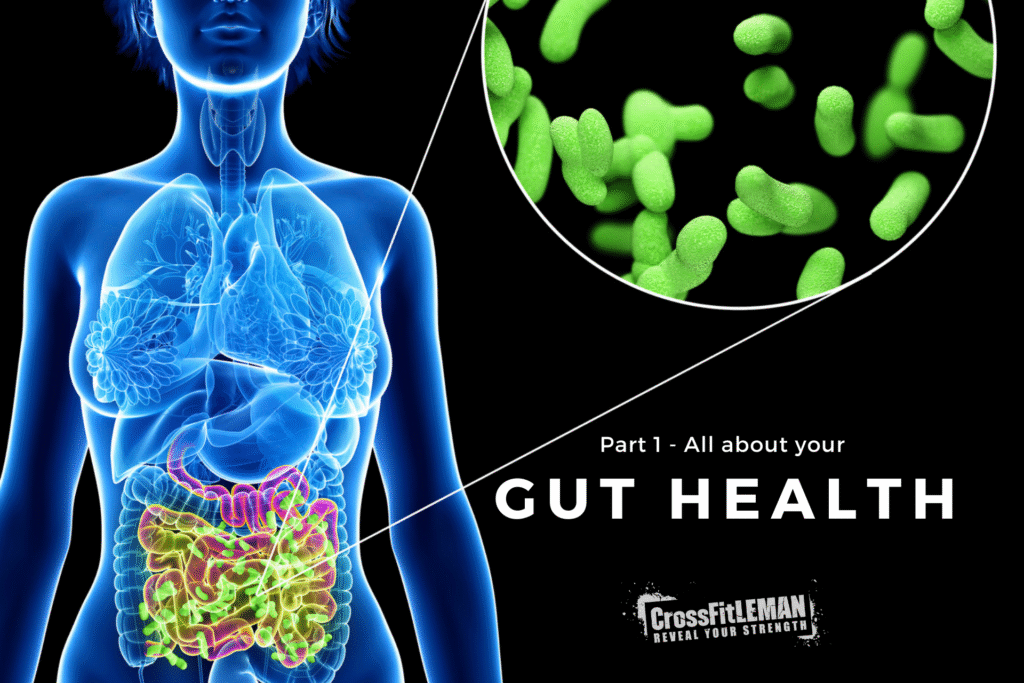
Probiotics are beneficial bacteria that help maintain a healthy gut microbiome, which is crucial for effective digestion. Including probiotic-rich foods like yogurt, kefir, kimchi, and sauerkraut in your diet is an excellent way to improve digestion naturally at home. These foods support the balance of gut bacteria, which in turn aids in the breakdown of food and absorption of nutrients. A healthy gut microbiome is also essential for preventing digestive conditions such as bloating, constipation, and diarrhea.
When you consume probiotics regularly, they help maintain the proper pH levels in your intestines, creating an environment that supports healthy digestion. Probiotics can also enhance the immune system, as a large portion of the body’s immune cells are found in the gut. The more diverse your gut bacteria, the better your digestion and overall health will be.
To improve digestion naturally at home, aim to include a variety of probiotic-rich foods in your diet. You can also consider taking probiotic supplements if you have trouble incorporating these foods into your meals. However, it’s essential to consult with a healthcare professional before introducing supplements to ensure they are suitable for your specific needs. By focusing on gut health, you can enhance your digestion and prevent numerous digestive issues.
Use Herbal Remedies
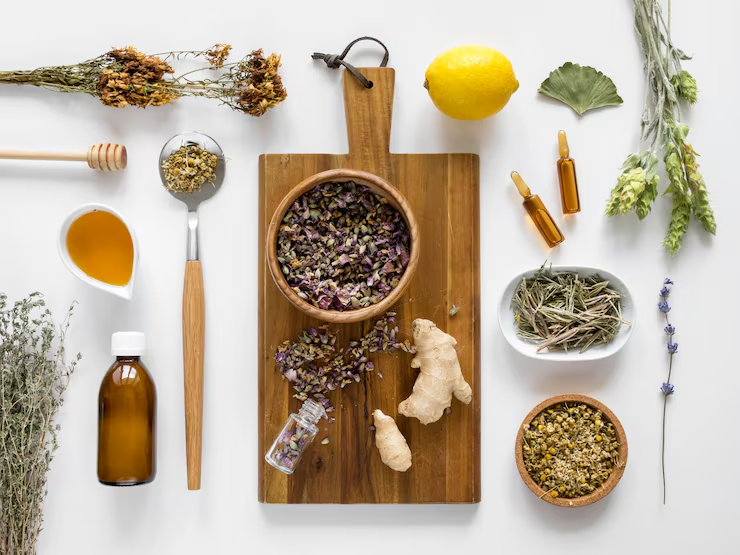
Herbal remedies are an age-old natural approach to improve digestion naturally at home. Certain herbs, such as ginger, peppermint, and fennel, have been traditionally used to soothe digestive discomfort, reduce bloating, and stimulate digestion. Ginger, for example, has compounds that can enhance gastric motility, promoting the efficient movement of food through the digestive tract and reducing symptoms like nausea and indigestion.
Peppermint is another popular herb that can relieve digestive discomfort. It works by relaxing the muscles in the gastrointestinal tract, helping to alleviate bloating, cramps, and gas. Fennel, known for its ability to soothe stomach cramps and indigestion, can also support the digestion of fats, making it particularly beneficial after heavy meals. You can drink herbal teas made from these herbs or add them to your meals for a natural digestive boost.
To improve digestion naturally at home, try incorporating these herbal remedies into your daily routine. Ginger tea in the morning can kickstart digestion, while peppermint tea after meals can soothe the stomach. These herbs are effective, natural options for boosting digestion, and they don’t come with the side effects often associated with over-the-counter medications.
Avoid Overeating
Overeating is one of the most common causes of indigestion and discomfort. When you eat too much food at once, your stomach struggles to break it down efficiently, which can lead to bloating, gas, and heartburn. To improve digestion naturally at home, it’s important to practice portion control and avoid eating large meals, especially in the evening. By eating smaller, more frequent meals throughout the day, you give your digestive system the opportunity to process food properly.
Eating smaller meals also helps prevent the sensation of heaviness and sluggishness that can occur after a big meal. Additionally, it helps maintain a steady blood sugar level and reduces the chances of experiencing reflux or acid indigestion. Slowing down and listening to your body’s hunger cues can go a long way in supporting digestive health.
If you’re trying to improve digestion naturally at home, avoid eating right before bed to give your stomach enough time to process food. Allowing a few hours between your last meal and sleep can significantly reduce the risk of heartburn and indigestion, making for a more comfortable and restful night.
Stay Active

Regular physical activity is an essential part of improving digestion naturally at home. Exercise helps stimulate the digestive system, promoting regular bowel movements and preventing constipation. It also increases blood flow to the digestive organs, which can improve nutrient absorption and overall digestive function. Activities like walking, jogging, yoga, and swimming can have a profound impact on digestive health.
Exercise is particularly beneficial for relieving bloating and gas. It encourages the movement of food through the digestive tract, helping to expel trapped air and waste. Physical activity also helps maintain a healthy weight, which can further reduce the risk of digestive problems like acid reflux or bloating.
To improve digestion naturally at home, aim for at least 30 minutes of moderate exercise each day. Whether it’s a brisk walk, a yoga session, or a workout, staying active helps keep your digestive system in top shape. Incorporating exercise into your routine also provides a wide range of other health benefits, including better mood and increased energy levels.
Manage Stress
Chronic stress can wreak havoc on your digestive system, disrupting the balance of your gut bacteria and slowing down digestion. Stress triggers the body’s fight-or-flight response, which diverts energy away from the digestive system, leading to issues like indigestion, acid reflux, and bloating. improve digestion naturally at home requires addressing this aspect, as managing stress is crucial to maintaining a healthy digestive system.
Relaxation techniques such as yoga, meditation, deep breathing, and mindfulness can help calm the nervous system and reduce stress levels. These practices not only alleviate digestive discomfort but also improve overall health by lowering cortisol levels and promoting emotional well-being. By incorporating stress management techniques, you are directly supporting the body’s ability to digest food efficiently, which is key for improve digestion naturally at home and preventing many common digestive issues.
By learning to manage stress effectively, you can enhance digestion, reduce discomfort, and improve overall gut health. Incorporate stress-reducing activities into your daily routine to promote a healthy digestive system and overall well-being, helping you achieve improve digestion naturally at home with lasting results.
Conclusion
improve digestion naturally at home is not only about relieving discomfort but also about enhancing your overall health and vitality. By adopting simple yet effective strategies such as staying hydrated, eating fiber-rich foods, and managing stress, you can significantly boost your digestive health. These practices are easy to incorporate into daily life and can lead to long-term benefits without relying on medications or costly treatments. When you focus on how to improve digestion naturally at home, you empower your body to function at its best, maintaining proper digestion and preventing common digestive issues.
Incorporating probiotics, eating mindfully, and engaging in regular physical activity are all powerful ways to improve digestion naturally at home. These habits help restore balance to the digestive system, promote nutrient absorption, and prevent digestive disorders like bloating and constipation. Furthermore, herbal remedies such as ginger and peppermint offer additional digestive support, soothing the stomach and reducing discomfort. By committing to these habits, you will not only experience better digestion but also feel more energized and healthier overall.
Lastly, it’s important to remember that improve digestion naturally at home is a holistic approach that involves lifestyle changes. It’s not just about fixing one issue but creating a sustainable routine that nurtures your digestive system and supports your overall health. By making mindful choices and taking proactive steps, you can enjoy smoother digestion, fewer digestive disturbances, and a better quality of life. So, take the time to prioritize your digestive health today, and experience the long-term benefits of improving digestion naturally at home.
FAQs
Q1. What are the signs of poor digestion?
Poor digestion may show up as bloating, gas, constipation, heartburn, or diarrhea. You may also experience fatigue, headaches, or skin irritations, as your body is unable to absorb essential nutrients effectively.
Q2. How much water should I drink for better digestion?
It’s recommended to drink at least 8 glasses (about 2 liters) of water a day to support digestion. However, you may need more depending on your activity level and climate.
Q3. Can stress really affect digestion?
Yes, stress can disrupt digestion by affecting the nervous system. When stressed, the body enters a state of fight or flight, which decreases blood flow to the digestive system, causing discomfort and slowing down digestion.
Q4. Are probiotics effective for digestion?
Yes, probiotics help maintain a healthy gut microbiome, improving digestion and nutrient absorption. They also help balance the gut bacteria, preventing digestive issues like bloating and diarrhea.
Q5. How does exercise improve digestion?
Exercise promotes the movement of food through the digestive tract, preventing constipation and bloating. It also increases blood circulation to the digestive organs, improving nutrient absorption and overall digestive efficiency.