
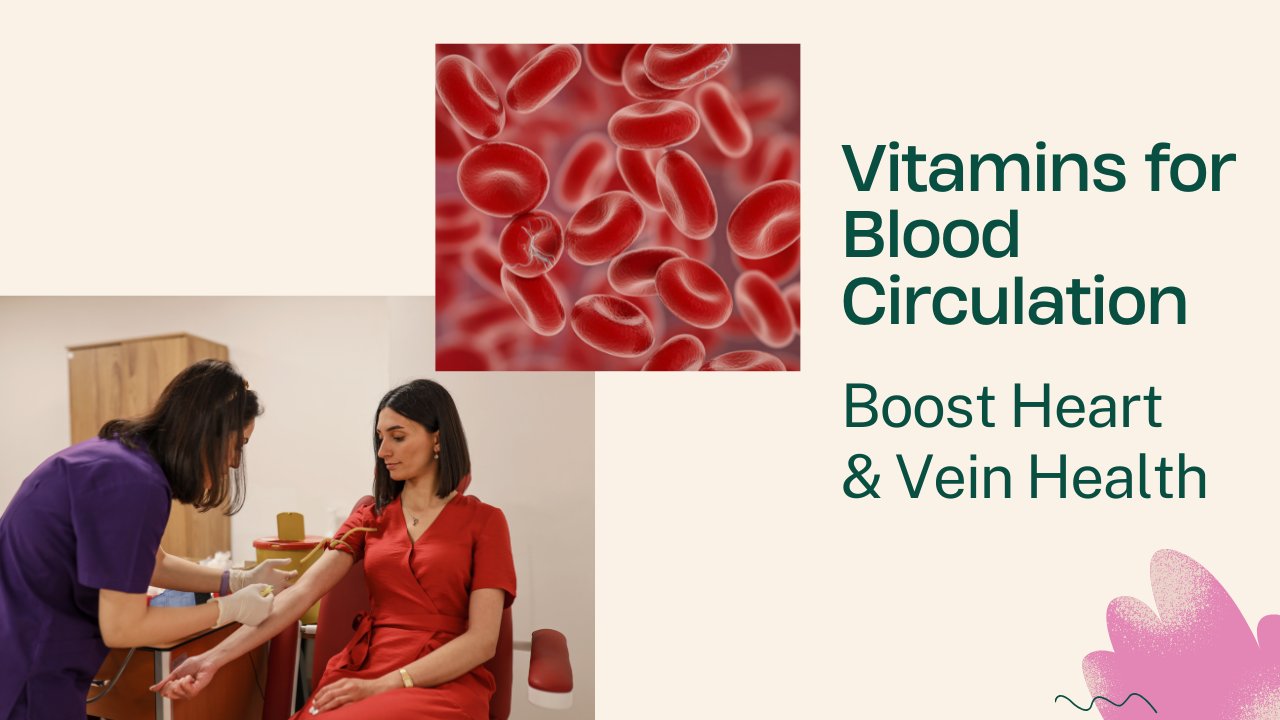
Good blood circulation is vital for maintaining overall health and ensuring that oxygen and nutrients reach every part of the body. Poor circulation can lead to fatigue, cold extremities, swelling, and even more severe cardiovascular problems over time. To maintain a healthy circulatory system, incorporating specific nutrients, particularly vitamins for blood circulation, is essential. These vitamins work to strengthen blood vessels, improve heart function, and support the smooth flow of blood throughout the body. 🌿
Vitamins play a critical role in ensuring that the circulatory system functions optimally. Certain vitamins like Vitamin C, Vitamin E, Vitamin B complex, and Vitamin K directly impact the elasticity of arteries, prevent clot formation, and promote healthy blood flow. Without these essential vitamins, our circulatory system becomes sluggish, increasing the risk of conditions like high blood pressure, varicose veins, and heart disease. By understanding which vitamins support circulation and incorporating them into your diet, you can enhance both your short-term energy levels and long-term heart health.
In addition to diet, lifestyle factors such as regular exercise, adequate hydration, and stress management complement the benefits of vitamins for blood circulation. This article will explore in-depth the top vitamins for blood circulation, their nutritional benefits, practical ways to include them in your daily routine, and answer frequently asked questions. By the end, you will have a comprehensive understanding of how to naturally support your circulatory system, ensuring your heart and veins remain healthy and vibrant. 🫀

What Are Vitamins for Blood Circulation?
Vitamins for blood circulation are specific nutrients that help maintain the health of blood vessels, improve blood flow, and prevent cardiovascular diseases. These vitamins directly impact the formation of red blood cells, the prevention of clotting, and the elasticity of arteries. The circulatory system relies on a delicate balance of nutrients, and a deficiency in these vitamins can compromise blood flow, leading to symptoms such as cold hands and feet, fatigue, or even severe cardiovascular issues.
For example, Vitamin C is essential for collagen production, which strengthens the walls of arteries and capillaries. Vitamin E acts as a powerful antioxidant, preventing oxidative stress that can damage blood vessels. B vitamins, including B6, B12, and folate, reduce homocysteine levels in the blood, a compound linked to heart disease. Vitamin K plays a key role in blood clotting, ensuring that bleeding stops appropriately without forming dangerous clots inside blood vessels.
Including these vitamins in your diet can be as simple as consuming fruits, vegetables, nuts, and fortified foods. Understanding what vitamins for blood circulation do allows you to make informed decisions about supplementation and diet. These vitamins not only enhance circulation but also support heart health, prevent vascular damage, and increase energy levels, making them an indispensable part of a healthy lifestyle. 🥦🍊
Why Vitamins for Blood Circulation Are Essential
The importance of vitamins for blood circulation cannot be overstated. A strong circulatory system is fundamental to delivering oxygen and nutrients to tissues, removing waste products, and maintaining organ function. Vitamins ensure that your blood vessels remain flexible, your heart pumps efficiently, and your blood composition is optimal. Without them, your risk of cardiovascular diseases, peripheral artery disease, and even strokes increases significantly.
Vitamins like C, E, and K improve the elasticity and integrity of blood vessels, preventing issues such as arterial stiffness. B vitamins lower homocysteine levels, reducing the likelihood of plaque formation and atherosclerosis. Additionally, these vitamins support the production of nitric oxide, a compound that relaxes blood vessels, improves blood flow, and helps maintain healthy blood pressure levels.
A diet rich in these essential vitamins not only enhances circulation but also boosts energy, cognitive function, and immunity. Lifestyle factors like exercise, avoiding smoking, and reducing stress amplify these benefits. Focusing on vitamins for blood circulation ensures a proactive approach to cardiovascular health, enabling you to live a more energetic and heart-healthy life. 🌟💪
Top Vitamins for Blood Circulation and How to Use Them
Vitamin C 🍊
Nutritional Benefits:
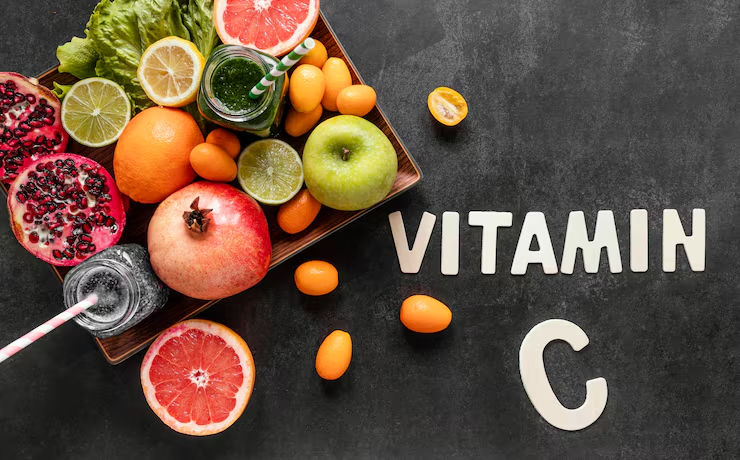
Vitamin C is one of the most vital vitamins for blood circulation because it plays a crucial role in collagen synthesis. Collagen is an essential protein that strengthens the walls of arteries, veins, and capillaries, ensuring that blood flows smoothly without leaks or ruptures. Regular intake of Vitamin C also acts as a powerful antioxidant, neutralizing free radicals that can damage the circulatory system. Studies suggest that people who consume adequate Vitamin C experience improved blood vessel flexibility, reduced arterial stiffness, and better oxygen delivery throughout the body. Additionally, Vitamin C supports the immune system, which indirectly contributes to overall cardiovascular health.
Vitamin C deficiency can lead to weakened blood vessels, resulting in easy bruising, slow wound healing, and impaired circulation. Incorporating vitamins for blood circulation such as Vitamin C helps maintain optimal vascular health, ensuring that the heart, brain, and extremities receive proper blood supply. In combination with other circulation-supporting vitamins like E and B-complex, Vitamin C can prevent inflammation, reduce the risk of clot formation, and improve overall heart function. 🌿
How to Make It:
Vitamin C is abundantly found in citrus fruits such as oranges, lemons, and grapefruits, as well as in strawberries, kiwi, bell peppers, and broccoli. To maximize absorption, pair Vitamin C-rich foods with bioflavonoid-rich foods like berries or green tea. For those unable to consume enough through diet, Vitamin C supplements in tablet, powder, or chewable form can be used. Daily intake of 75–90 mg for adults is recommended, though higher amounts may be used under medical supervision. Incorporating Vitamin C into smoothies, salads, or fresh juices ensures a delicious and effective way to boost vitamins for blood circulation naturally.
Vitamin E 🌰
Nutritional Benefits:
Vitamin E is a fat-soluble antioxidant that plays a pivotal role in protecting blood vessels from oxidative stress. By preventing damage caused by free radicals, Vitamin E helps maintain the elasticity of arteries and veins, which is essential for smooth blood circulation. It also inhibits platelet aggregation, reducing the risk of blood clots and promoting efficient blood flow. This makes Vitamin E one of the essential vitamins for blood circulation, especially for individuals at risk of cardiovascular diseases.
In addition to vascular protection, Vitamin E enhances overall heart health by improving endothelial function, which allows blood vessels to dilate properly. This improves oxygen delivery to muscles and organs while preventing high blood pressure. Studies have shown that individuals with sufficient Vitamin E intake often experience fewer circulation-related issues like varicose veins or cold extremities. Pairing Vitamin E with other antioxidants like Vitamin C amplifies its protective effects on the circulatory system.
How to Make It:
Vitamin E can be obtained from dietary sources such as almonds, sunflower seeds, hazelnuts, spinach, and avocados. Incorporating these foods into daily meals provides a steady supply of this vital vitamin. Vitamin E supplements, available in soft gels or capsules, are also an option for those with dietary restrictions. Since Vitamin E is fat-soluble, consuming it with healthy fats like olive oil or nuts enhances absorption. Regular intake of Vitamin E as part of your vitamins for blood circulation routine ensures strong, flexible arteries and efficient blood flow.
Vitamin B6 🥚

Nutritional Benefits:
Vitamin B6 is essential for regulating homocysteine levels in the blood. High homocysteine is linked to increased risk of cardiovascular diseases and impaired circulation. By maintaining proper homocysteine levels, Vitamin B6 supports healthy arteries, reduces inflammation, and ensures smooth blood flow. This makes it a critical component of vitamins for blood circulation for people seeking to improve heart and vascular health.
Moreover, Vitamin B6 aids in the formation of hemoglobin, which is necessary for transporting oxygen throughout the body. Low B6 levels can result in anemia, fatigue, and reduced circulation efficiency. Alongside other B-complex vitamins, Vitamin B6 strengthens the circulatory system, enhances energy metabolism, and contributes to a healthier nervous system, which also supports cardiovascular regulation.
How to Make It:
Vitamin B6 is naturally found in poultry, fish, bananas, fortified cereals, and chickpeas. Cooking methods like steaming or lightly sautéing vegetables help preserve this vitamin. For individuals with deficiencies or absorption challenges, B6 supplements in tablet or capsule form can be beneficial. Daily intake recommendations range around 1.3–2 mg for adults. Integrating Vitamin B6 into your diet ensures that vitamins for blood circulation are optimized for energy production and vascular support.
Vitamin B12 🐟
Nutritional Benefits:
Vitamin B12 plays a critical role in the production of red blood cells, which carry oxygen throughout the body. Efficient oxygen transport is essential for maintaining proper blood circulation and preventing fatigue, cold extremities, and cognitive decline. B12 also works synergistically with folate and Vitamin B6 to regulate homocysteine levels, reducing cardiovascular risks and promoting smooth blood flow. This makes it one of the most effective vitamins for blood circulation.
Vitamin B12 deficiency can lead to anemia, nerve damage, and poor circulation, emphasizing the importance of regular intake. Beyond circulation, B12 supports neurological health and energy metabolism, contributing to overall well-being. For older adults or vegetarians, supplementation may be necessary to maintain optimal levels.
How to Make It:
Vitamin B12 is primarily found in animal-based foods such as fish, eggs, dairy, and poultry. Fortified plant-based foods like cereals, soy milk, and nutritional yeast are excellent options for vegetarians and vegans. Supplements are available in tablets, capsules, or sublingual forms for enhanced absorption. Regular consumption of Vitamin B12 ensures that vitamins for blood circulation work effectively to maintain red blood cell production and cardiovascular health.
Folate (Vitamin B9) 🥬
Nutritional Benefits:
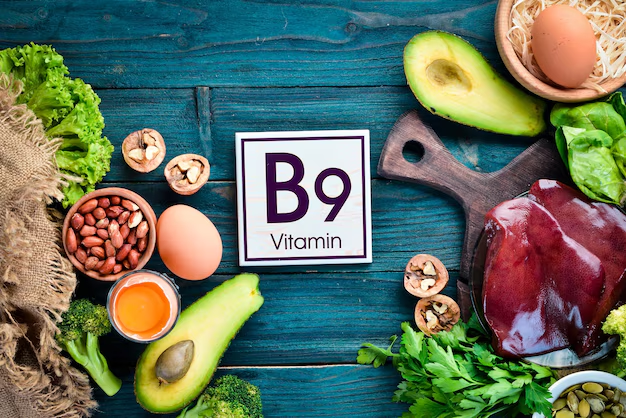
Folate, or Vitamin B9, works hand-in-hand with Vitamin B12 and B6 to regulate homocysteine levels, thereby reducing the risk of heart disease and enhancing blood flow. Adequate folate intake supports the formation of healthy red blood cells and the repair of blood vessels, making it a crucial addition to your vitamins for blood circulation regimen.
Folate is particularly important during pregnancy to prevent vascular complications and support proper fetal development. Beyond circulation, it contributes to DNA synthesis, cell division, and overall cardiovascular health. Deficiency in folate can lead to anemia, fatigue, and impaired oxygen transport, negatively impacting circulation.
How to Make It:
Leafy greens, lentils, beans, asparagus, and fortified cereals are excellent dietary sources of folate. Cooking lightly or steaming vegetables helps preserve this vitamin. Folate supplements can be recommended for pregnant women or individuals with dietary restrictions. Regular intake ensures that vitamins for blood circulation maintain optimal homocysteine levels and vascular health.
Vitamin K 🧀
Nutritional Benefits:
Vitamin K is a fat-soluble vitamin that plays a vital role in maintaining proper blood clotting and vascular health. It ensures that blood coagulates correctly, preventing excessive bleeding while reducing the risk of dangerous clot formation inside arteries. By supporting the mineralization of blood vessels, Vitamin K also prevents arterial calcification, keeping the circulatory system flexible and efficient. For anyone seeking to improve vitamins for blood circulation, Vitamin K is essential for maintaining strong, healthy arteries.
In addition to its role in coagulation, Vitamin K supports heart and bone health simultaneously. It strengthens the walls of blood vessels and prevents calcium buildup, which can lead to stiff arteries and compromised circulation. A deficiency in Vitamin K can lead to easy bruising, excessive bleeding, or even weakened vessel integrity. Including this vitamin in your diet ensures that circulation is optimal and reduces the risk of cardiovascular issues over time.
How to Make It:
Vitamin K can be obtained naturally from leafy greens like spinach, kale, and Swiss chard, as well as from broccoli, Brussels sprouts, and fermented foods such as natto. Consuming these foods regularly enhances the effectiveness of vitamins for blood circulation. Fat-soluble vitamins like K are best absorbed when eaten with healthy fats, such as olive oil or avocado. For individuals with deficiencies or those on certain medications, Vitamin K supplements can be considered under medical guidance.
Niacin (Vitamin B3) 🌾
Nutritional Benefits:
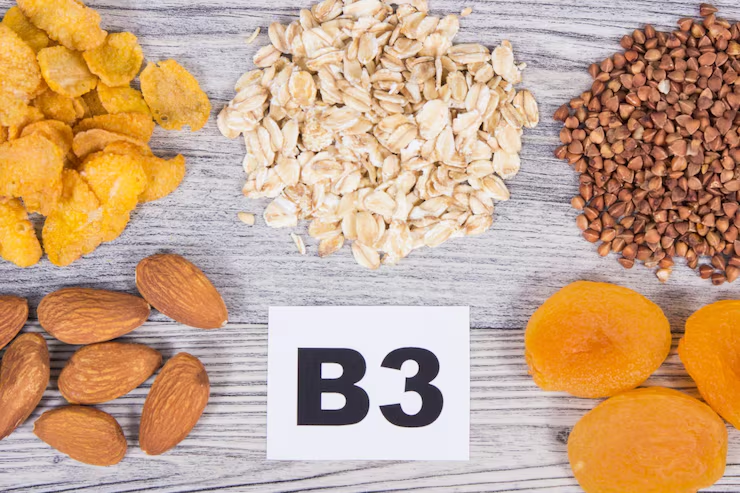
Niacin, also known as Vitamin B3, is a key player in improving vitamins for blood circulation because it helps dilate blood vessels, enhancing overall blood flow. It also plays a significant role in regulating cholesterol levels, lowering “bad” LDL cholesterol, and raising “good” HDL cholesterol. By reducing arterial plaque and supporting endothelial function, niacin contributes to smoother blood circulation and improved heart health.
Niacin’s benefits extend beyond circulation. It supports energy metabolism, helping the body convert food into energy efficiently. It also reduces inflammation in blood vessels, which can prevent atherosclerosis and other cardiovascular diseases. Regular intake of niacin ensures that oxygen and nutrients are effectively transported throughout the body, supporting overall vitality and organ function.
How to Make It:
Niacin is naturally found in chicken, turkey, fish, peanuts, sunflower seeds, and whole grains. For individuals with higher cardiovascular risk, niacin supplements can be used under medical supervision, as excessive doses can cause flushing or liver issues. Including niacin-rich foods in your meals, such as roasted turkey or oatmeal with nuts, ensures a natural and effective way to boost vitamins for blood circulation. Pairing it with other B vitamins enhances its circulatory benefits.
Biotin (Vitamin B7) 🥑
Nutritional Benefits:
Biotin, or Vitamin B7, is a water-soluble vitamin that supports metabolic health, energy production, and indirectly, blood circulation. Healthy metabolism ensures that glucose and fatty acids are efficiently converted into energy, which supports the smooth function of the heart and blood vessels. Biotin also plays a role in maintaining healthy blood sugar levels, reducing stress on the circulatory system, and supporting overall cardiovascular health. For those looking to enhance vitamins for blood circulation, Biotin is a valuable addition.
Biotin also promotes healthy hair, skin, and nails, which is often a reflection of strong circulatory health. Proper biotin intake helps ensure that nutrients are effectively transported via the bloodstream to support cellular repair and growth. Deficiency, although rare, can lead to fatigue, poor circulation, and brittle hair or nails, highlighting its importance for maintaining overall vascular wellness.
How to Make It:
Biotin is naturally found in eggs, nuts, seeds, avocados, sweet potatoes, and salmon. Daily inclusion of these foods helps optimize vitamins for blood circulation naturally. Biotin supplements are also available in capsules or gummies for those needing extra support. Combining Biotin with a balanced diet rich in other circulation-supporting vitamins ensures maximum cardiovascular and metabolic health benefits.
Conclusion

In conclusion, vitamins for blood circulation play a pivotal role in maintaining cardiovascular health, ensuring proper oxygen delivery, and preventing vascular diseases. Vitamins such as C, E, B6, B12, folate, K, niacin, and biotin provide comprehensive support for your heart and blood vessels, helping you maintain energy levels, cognitive function, and overall vitality. 🌟
Incorporating these vitamins into your daily diet through natural foods or supplements ensures your circulatory system functions efficiently. Coupled with regular exercise, hydration, and a balanced lifestyle, these nutrients provide long-term protection against cardiovascular issues while boosting overall well-being. Proper nutrition and vitamin intake also support immunity and metabolic health, making vitamins for blood circulation indispensable for a healthy life.
Ultimately, focusing on these essential vitamins is a proactive step toward a healthier, more energetic life. By understanding their benefits and implementing practical ways to include them in your diet, you can enhance blood flow, prevent circulatory problems, and enjoy a heart-healthy lifestyle. Start today by making simple dietary adjustments and embracing the power of these vital nutrients. ❤️🫀
FAQs
Q1: How do vitamins for blood circulation improve heart health?
Vitamins like C, E, and B-complex improve blood vessel elasticity, prevent oxidative damage, and regulate homocysteine levels. Together, they reduce the risk of atherosclerosis, improve oxygen transport, and enhance overall cardiovascular function, leading to a healthier heart and efficient circulation.
Q2: Can I get enough vitamins for blood circulation from diet alone?
Yes, a balanced diet rich in fruits, vegetables, nuts, seeds, and whole grains can provide most vitamins needed for circulation. However, supplements may be necessary for individuals with deficiencies, poor absorption, or specific dietary restrictions like veganism.
Q3: Are there side effects of taking vitamins for blood circulation?
While vitamins are generally safe, excessive intake of fat-soluble vitamins like E and K can cause complications. Water-soluble vitamins are usually excreted if taken in excess, but consulting a healthcare professional before supplementation is recommended.
Q4: How long does it take to see improvements in circulation after taking vitamins?
The timeline varies based on individual health and deficiencies. Some people notice improvements in energy and cold extremities within weeks, while significant cardiovascular benefits may take months with consistent intake and lifestyle changes.
Q5: Can children also benefit from vitamins for blood circulation?
Yes, children require vitamins for proper blood and heart health. A diet including fruits, vegetables, whole grains, and dairy ensures they receive adequate vitamins. Pediatric supplements should be considered only if dietary intake is insufficient.