Taking care of our eyes is no longer optional; in today’s digital world, where screens dominate every aspect of life, safeguarding vision has become essential. The eyes are one of the most delicate organs in our body, responsible for transmitting vital information to the brain. Overexposure to digital devices, environmental pollutants, and lifestyle factors can strain the eyes, causing discomfort, blurred vision, and long-term health issues. Knowing ways to take care of your eyes is crucial for maintaining optimal eye health and ensuring a vibrant, clear vision throughout life.
Maintaining eye health is not just about avoiding problems; it’s about actively nurturing your eyes to function at their best. Incorporating daily habits, nutritional support, and protective measures can significantly reduce the risk of eye diseases such as cataracts, glaucoma, and macular degeneration. Following the right guidance on ways to take care of your eyes empowers individuals to take proactive steps rather than reacting to problems once they arise. Preventive care is always more effective, affordable, and less stressful than treating vision issues later.
In addition to physical care, understanding the emotional and psychological benefits of healthy eyes is equally important. Good vision enhances our confidence, safety, and overall quality of life. By integrating holistic practices, nutritious foods, and protective routines into daily life, anyone can achieve long-term eye health. This article will explore 10 highly effective ways to take care of your eyes, covering nutritional tips, exercises, lifestyle changes, and expert advice that not only prevent damage but also improve visual clarity. 🌟
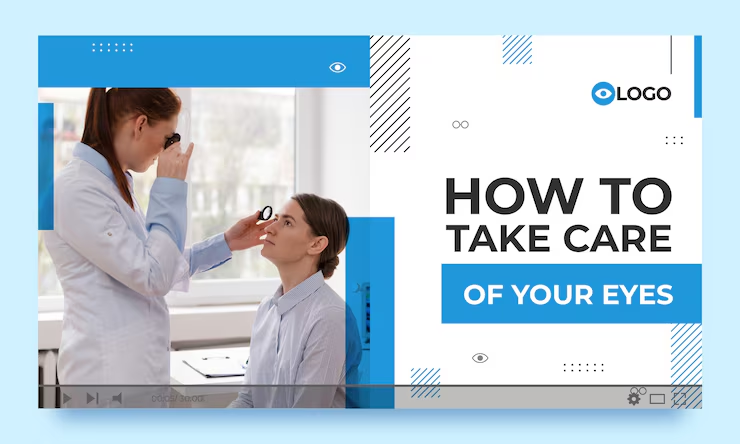
What Are the Ways To Take Care Of Your Eyes?
Eye care is a multidimensional practice encompassing nutrition, habits, and environmental awareness. The first step in ways to take care of your eyes is understanding that eyes require both physical protection and internal nourishment. Maintaining a balance between screen time, natural light exposure, and regular rest is key to preserving vision. Eyes are sensitive to strain, and continuous overuse without adequate rest can lead to chronic fatigue and eye discomfort.
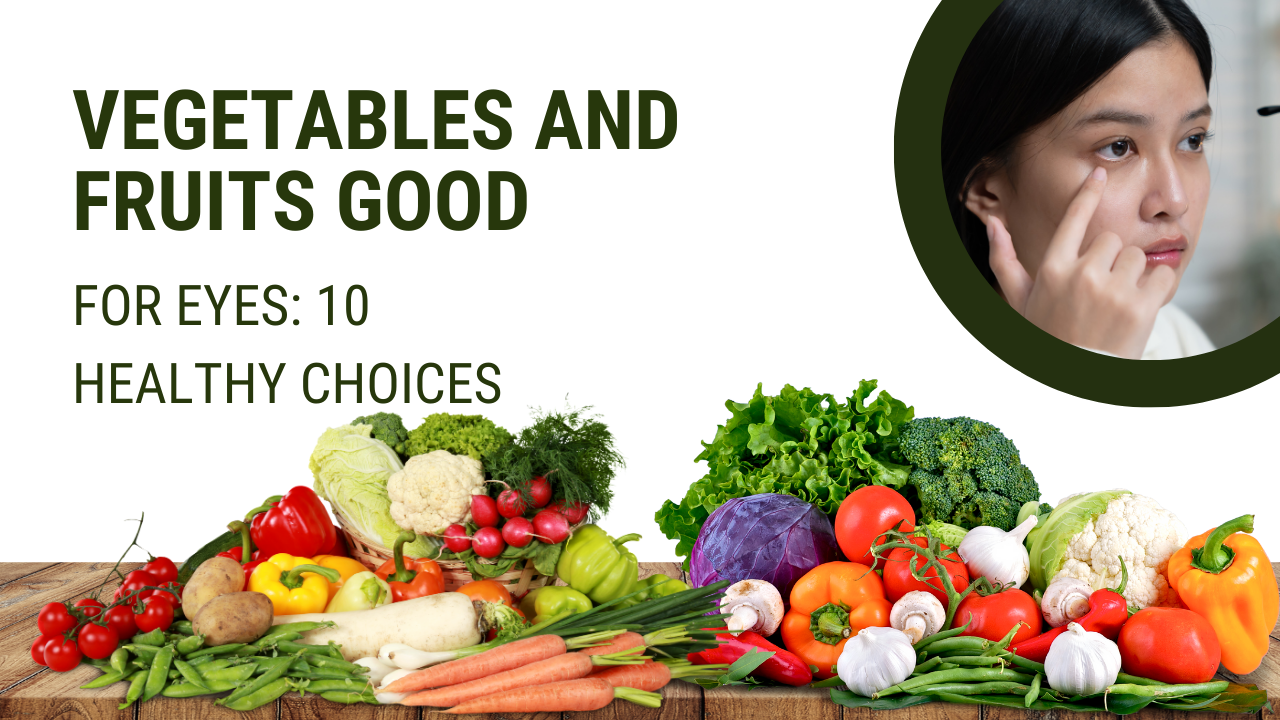
Another critical aspect of ways to take care of your eyes is a diet rich in essential nutrients like vitamin A, C, E, zinc, and omega-3 fatty acids. These nutrients support retinal health, prevent oxidative damage, and improve night vision. Foods such as carrots, spinach, kale, citrus fruits, and fatty fish are natural allies for maintaining healthy eyes. Integrating these into your meals regularly can dramatically reduce the risk of age-related eye problems.
Environmental awareness is equally vital. Protective eyewear against harmful UV rays, reducing exposure to blue light from devices, and maintaining clean surroundings can minimize eye irritation and long-term damage. By combining lifestyle adjustments, nutritional support, and preventive practices, individuals can ensure their eyes remain strong, sharp, and healthy. The following sections will delve into 10 effective ways to take care of your eyes, providing detailed guidance for each practice.
Why You Should Focus On Ways To Take Care Of Your Eyes
The importance of eye care cannot be overstated. Poor vision impacts daily life, affecting productivity, safety, and quality of life. Neglecting ways to take care of your eyes may lead to preventable eye conditions such as digital eye strain, dry eyes, or more serious diseases like glaucoma and cataracts. Prioritizing eye health ensures clarity, comfort, and long-term protection against potential vision loss.
Moreover, eyes are highly sensitive to oxidative stress caused by free radicals, environmental toxins, and prolonged exposure to digital devices. Implementing ways to take care of your eyes such as a nutrient-rich diet, proper lighting, and protective measures strengthens eye tissues and improves overall visual performance. Healthy eyes also enhance mental well-being, as clear vision is closely linked to confidence, independence, and safety in everyday activities.
Lastly, preventive care is far more effective than treatment. Many eye diseases progress silently and show symptoms only at advanced stages. Following comprehensive ways to take care of your eyes ensures early protection, reduces medical expenses, and allows a more enjoyable, active lifestyle without the burden of compromised vision.
Ways To Take Care Of Your Eyes
Consume Vitamin-Rich Foods for Eye Health 🥕

Eating the right foods is one of the most effective ways to take care of your eyes. Nutrient-rich foods, particularly those high in vitamins A, C, and E, support the structural and functional health of the eyes. Vitamin A, found in carrots, sweet potatoes, and dark leafy greens, maintains healthy corneas and supports night vision. Vitamin C, abundant in citrus fruits and bell peppers, protects the eyes from oxidative stress that can damage delicate eye tissues. Vitamin E, found in nuts and seeds, helps prevent age-related macular degeneration, ensuring long-term visual clarity.
Including foods rich in omega-3 fatty acids, such as salmon, walnuts, and flaxseeds, improves retinal function and reduces dry eye syndrome. Zinc, present in pumpkin seeds, beans, and eggs, supports healthy retinal tissue and overall eye performance. By consistently incorporating these foods, you provide your eyes with the essential nutrients needed to function optimally and reduce the risk of chronic eye conditions. Adopting such dietary habits is a proactive measure in ways to take care of your eyes.
Nutritional Benefits: These nutrients act as antioxidants, protecting the eyes from free radical damage. Vitamin A supports vision in low-light conditions, while omega-3 fatty acids enhance tear production and reduce inflammation. Zinc strengthens retinal health, and vitamin C prevents cataracts, all of which contribute to maintaining sharp and healthy vision.
How to Make It: Include a colorful mix of vegetables and fruits in your meals daily. Prepare a breakfast smoothie with kale, spinach, and orange juice, or snack on almonds and walnuts. Incorporate salmon or sardines twice a week for omega-3 benefits. Simple meal planning ensures your eyes receive the necessary nutrition consistently.
Practice the 20-20-20 Rule for Screen Time ⏱️
With modern technology dominating work and leisure, digital eye strain has become increasingly common. Following the 20-20-20 rule is a simple yet highly effective way to take care of your eyes. This practice involves looking at an object 20 feet away for 20 seconds every 20 minutes while using screens. By giving the eye muscles a short break, you prevent fatigue, dryness, and blurred vision that often result from prolonged device use.
Over time, consistently practicing this rule can reduce the likelihood of long-term damage to the retina and optic nerve. Although it does not directly provide nutrients, it ensures that the eyes can function optimally and absorb essential vitamins efficiently. Integrating this habit alongside proper nutrition complements other preventive measures in ways to take care of your eyes.
Nutritional Benefits: While not food-related, reducing eye strain ensures nutrients like vitamin A and omega-3 fatty acids are utilized effectively by eye tissues. Healthy circulation in the eyes ensures proper delivery of nutrients that maintain retinal and corneal health.
How to Make It: Set a timer on your device to remind you to follow the 20-20-20 rule. Look out of a window, focus on distant objects, and blink frequently to keep your eyes moist. This simple practice can be integrated seamlessly into work and study routines, significantly reducing digital eye strain.
Wear Sunglasses With UV Protection 🕶️

Exposure to ultraviolet (UV) rays can accelerate eye aging and increase the risk of cataracts and macular degeneration. Wearing sunglasses with 100% UV protection is one of the simplest ways to take care of your eyes. Sunglasses act as a shield against harmful radiation, reducing oxidative damage and protecting delicate eye structures. They are especially important during sunny days, snowy environments, or while near reflective water surfaces.
Beyond protection, sunglasses also prevent squinting, which can lead to eye strain and wrinkles around the eyes. They are a practical addition to daily routines and complement other preventive strategies like a nutrient-rich diet and proper lighting. Combining UV protection with other ways to take care of your eyes ensures both immediate comfort and long-term health.
Nutritional Benefits: While sunglasses do not provide direct nutrients, they preserve the function of antioxidant vitamins such as C and E in eye tissues by minimizing UV-induced oxidative stress. This indirectly protects the eyes and supports nutrient effectiveness.
How to Make It: Choose sunglasses labeled with 100% UV-A and UV-B protection. Ensure they fit well and cover the entire eye area. Wear them outdoors during daytime, especially while driving or engaging in outdoor activities. Pairing sunglasses with wide-brimmed hats enhances protection.
Stay Hydrated 💧
Proper hydration is essential for maintaining eye moisture and preventing dryness. Water helps produce tears, which wash away debris, reduce irritation, and protect against infections. Staying hydrated is a fundamental yet often overlooked way to take care of your eyes, as dry eyes can lead to discomfort, blurred vision, and even increased susceptibility to eye diseases over time.
Consistent water intake supports optimal blood circulation, allowing nutrients to reach eye tissues efficiently. Hydration also complements dietary nutrients like omega-3 fatty acids, which help maintain tear quality. Combined with other preventive practices, adequate water consumption is a simple and effective addition to daily routines for eye care.
Nutritional Benefits: Hydration supports tear production and eye lubrication. Water helps transport essential nutrients such as vitamin A and antioxidants to eye tissues, enhancing their effectiveness. Proper hydration also reduces oxidative stress and inflammation, protecting the eyes from long-term damage.
How to Make It: Drink 8–10 glasses of water daily. Include hydrating foods like watermelon, cucumber, oranges, and celery in your diet. Limit caffeinated and alcoholic beverages that can dehydrate the body. Carry a water bottle to encourage regular intake throughout the day.
Perform Eye Exercises 👁️

Eye exercises are an excellent method to improve flexibility, circulation, and overall eye health. Regularly exercising the eye muscles reduces fatigue, enhances focus, and prevents long-term strain. Eye exercises are one of the underrated but highly effective ways to take care of your eyes, especially for people who spend long hours staring at screens. Practices such as eye rolling, focusing on near and distant objects, and palming (covering the eyes with your hands) relieve tension in the ocular muscles, preventing headaches and blurred vision.
Engaging in eye exercises also improves blood flow to the retina and optic nerve, ensuring that essential nutrients are delivered efficiently. When the eyes are relaxed and muscles are toned, nutrients like vitamin A, omega-3 fatty acids, and antioxidants work more effectively to maintain retinal health. Eye exercises, therefore, complement dietary and lifestyle measures, creating a holistic approach to ways to take care of your eyes.
Nutritional Benefits: Eye exercises indirectly enhance nutrient absorption by improving circulation. Increased blood flow ensures vitamins and minerals reach the retina and other eye tissues efficiently, promoting repair and strengthening. Exercises also reduce oxidative stress and fatigue, allowing antioxidant nutrients like vitamins C and E to work more effectively.
How to Make It: Set aside 5–10 minutes daily for eye exercises. Practice rolling your eyes in circular motions, shift focus between near and far objects, and cover your eyes with palms to relax them. Repeat these exercises multiple times a day, especially during long hours of reading or digital device use. Regular practice strengthens eye muscles and complements other ways to take care of your eyes.
Maintain Proper Lighting for Reading and Work 💡
Proper lighting is essential to reduce eye strain and maintain optimal vision. Working in dim light forces your eyes to work harder, leading to fatigue, headaches, and discomfort. Maintaining well-lit environments is one of the fundamental ways to take care of your eyes, especially for students, office workers, and anyone who spends hours reading or using a computer. Adequate lighting ensures that the photoreceptor cells in your eyes can function efficiently without overexertion.
In addition to reducing strain, proper lighting enhances nutrient absorption in eye tissues. When eyes are relaxed, antioxidants and essential vitamins function optimally, helping prevent oxidative damage and long-term degeneration. Lighting adjustments complement other preventive measures, ensuring a comprehensive approach to eye health.
Nutritional Benefits: Good lighting reduces stress on eye tissues, allowing nutrients like lutein, zeaxanthin, and vitamin A to work effectively. Proper illumination minimizes oxidative stress, protects retinal cells, and enhances the overall efficiency of nutrients in maintaining healthy vision.
How to Make It: Use adjustable desk lamps or ambient lighting that does not create glare. Position light sources behind or to the side of your reading or work area to prevent direct reflection into the eyes. Avoid overly bright or dim environments and take short breaks from tasks under artificial lighting to relax the eyes.
Sleep Well for Eye Recovery 😴

Adequate sleep is essential for eye repair and rejuvenation. During deep sleep, the eyes recover from daily stress, replenish tear production, and remove toxins accumulated throughout the day. Quality sleep is a fundamental way to take care of your eyes because chronic sleep deprivation can cause dryness, irritation, and blurred vision. Insufficient rest may also contribute to dark circles, puffiness, and long-term eye damage.
Sleeping well supports nutrient absorption by the eyes. During rest, essential vitamins and antioxidants reach ocular tissues efficiently, aiding in repair and protection against oxidative stress. Sleep works in synergy with other ways to take care of your eyes, such as nutrition, hydration, and proper lighting, ensuring comprehensive eye health.
Nutritional Benefits: Adequate sleep allows nutrients like vitamin A, omega-3 fatty acids, and antioxidants to regenerate eye tissues. It reduces oxidative damage and promotes optimal function of photoreceptor cells, improving visual clarity and preventing age-related degeneration.
How to Make It: Aim for 7–8 hours of uninterrupted sleep each night. Create a dark, quiet sleep environment and avoid screens at least one hour before bed. Consider relaxation techniques like meditation or deep breathing to enhance sleep quality, ensuring your eyes get the full restorative benefits.
Avoid Smoking and Excessive Alcohol 🚫
Smoking and excessive alcohol consumption are major risk factors for eye diseases. Smoking accelerates oxidative stress, depletes antioxidants, and increases the risk of cataracts and macular degeneration. Excessive alcohol causes dehydration, reducing tear production and leading to dry eyes. Avoiding these substances is a critical way to take care of your eyes, protecting them from preventable damage and maintaining long-term vision health.
By avoiding harmful substances, the eyes can fully utilize essential nutrients for repair and maintenance. Antioxidants such as vitamin C, E, and carotenoids work more effectively in a clean and nourished system. This lifestyle adjustment complements dietary and protective measures in ways to take care of your eyes, ensuring holistic eye care.
Nutritional Benefits: Avoiding smoking and alcohol preserves antioxidants and vitamins in the body. It enhances nutrient absorption, maintains retinal health, reduces inflammation, and prevents oxidative stress, which can otherwise accelerate vision deterioration.
How to Make It: Gradually reduce smoking or alcohol intake and seek support if needed. Replace these habits with healthier alternatives such as herbal teas, water, or antioxidant-rich snacks. Maintaining a healthy lifestyle protects your eyes and maximizes the benefits of other preventive measures.
Regular Eye Checkups 🏥
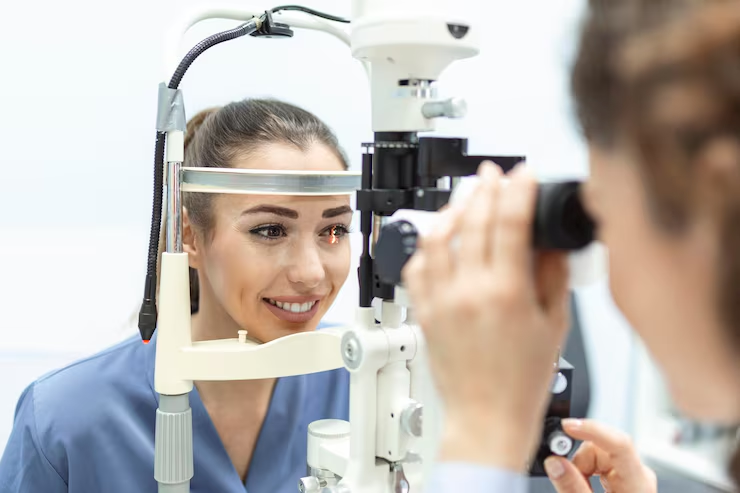
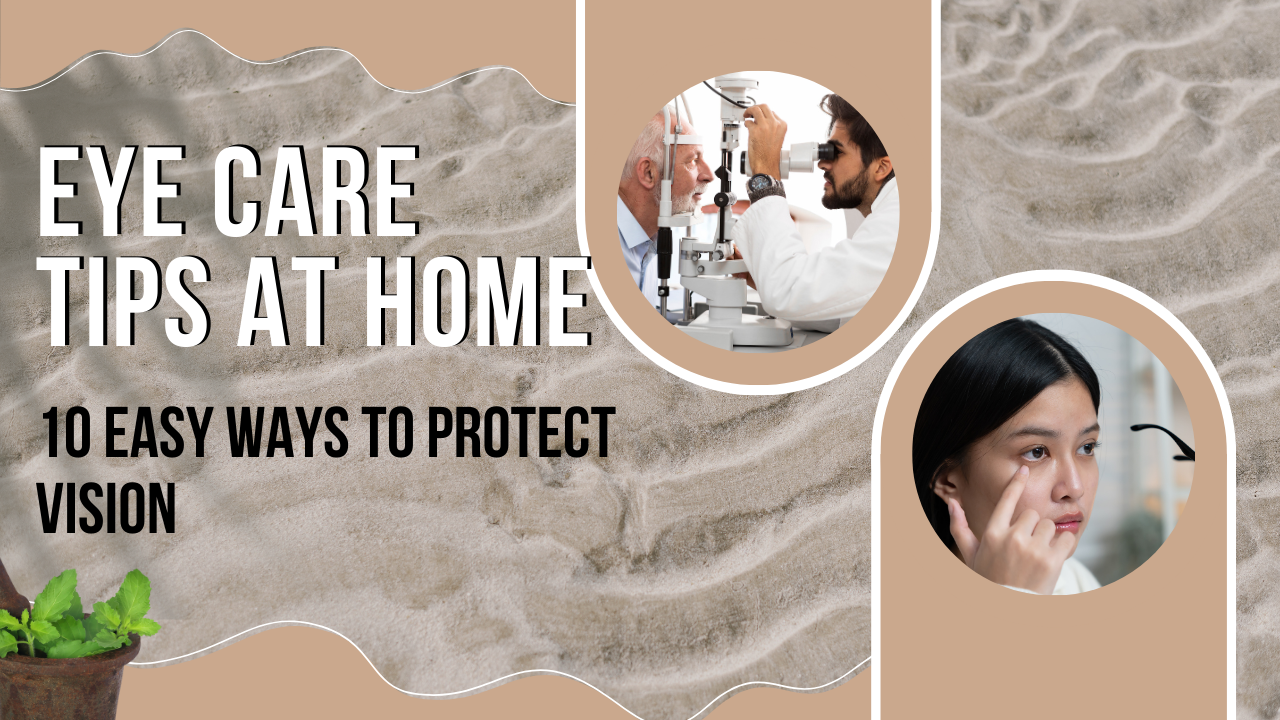
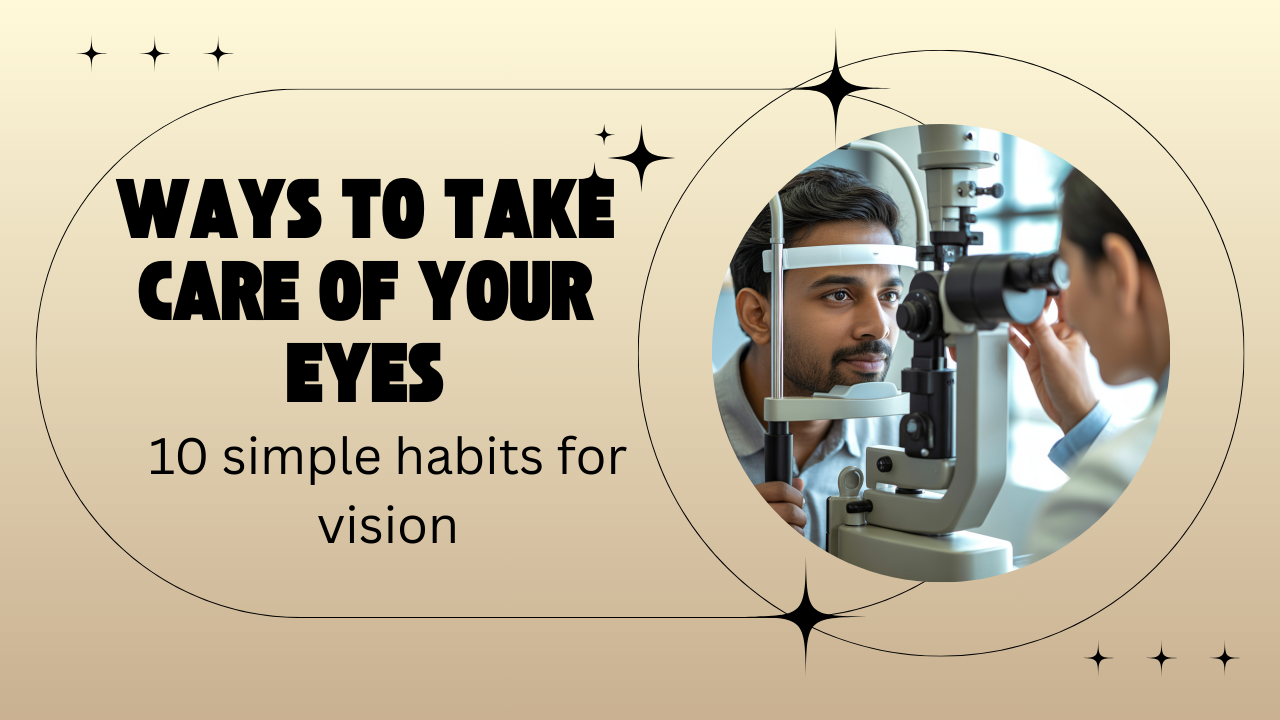
Regular eye checkups are essential for early detection of vision problems and preventive care. Conditions like glaucoma, cataracts, and macular degeneration often progress silently, and symptoms may appear only in advanced stages. Scheduling frequent eye exams is a proactive way to take care of your eyes, allowing timely interventions and maintaining optimal vision health.
Checkups not only identify structural issues but also provide guidance on nutrition, lifestyle adjustments, and protective habits. Eye specialists can recommend dietary supplements or treatments to address specific deficiencies, ensuring that all ways to take care of your eyes are customized to individual needs.
Nutritional Benefits: Eye checkups help identify nutrient deficiencies that may affect vision. Doctors may suggest supplements rich in vitamins A, C, E, lutein, and omega-3 fatty acids, optimizing eye health and supporting retinal function.
How to Make It: Schedule annual visits to an ophthalmologist or optometrist. Discuss your diet, lifestyle, and vision concerns. Follow professional advice for supplements, corrective lenses, or protective measures, integrating them into your daily routine for sustained eye health.
Practice Stress Management 🧘
Chronic stress affects overall health, including the eyes. Stress can reduce blood flow to the eyes, impair nutrient delivery, and increase oxidative damage. Managing stress is a vital way to take care of your eyes, ensuring proper circulation, reducing fatigue, and maintaining visual clarity. Techniques such as meditation, yoga, deep breathing, and mindfulness significantly contribute to eye wellness.
Reducing stress also enhances the effectiveness of essential nutrients in eye tissues. When the body is relaxed, antioxidants and vitamins work optimally to repair and protect the eyes. Stress management complements nutrition, hydration, sleep, and protective habits, creating a holistic approach to ways to take care of your eyes.
Nutritional Benefits: Stress management improves circulation, allowing nutrients such as vitamin A, lutein, zeaxanthin, and omega-3 fatty acids to reach ocular tissues effectively. Reduced stress decreases inflammation and oxidative damage, preserving eye health.
How to Make It: Incorporate daily relaxation practices like meditation, yoga, or deep breathing exercises. Take short breaks during work or study sessions to reduce eye strain and mental tension. Prioritize mental wellness to support comprehensive eye health alongside other preventive measures.
Conclusion

Maintaining eye health is an ongoing process that combines nutrition, habits, protection, and regular monitoring. Following ways to take care of your eyes ensures long-term vision clarity, reduces the risk of disease, and enhances overall quality of life. Incorporating these ten practices into daily routines provides a comprehensive approach to eye care that is both practical and highly effective.
From consuming nutrient-rich foods to managing stress, every small action contributes to preserving vision. Practices such as the 20-20-20 rule, wearing sunglasses, maintaining proper lighting, and getting adequate sleep all work synergistically with nutritional support to protect and nourish your eyes. Proactive care today ensures healthy vision for tomorrow.
Ultimately, the goal of eye care is not just to prevent disease but to maintain optimal function, clarity, and comfort. By understanding the importance of ways to take care of your eyes and implementing them consistently, anyone can enjoy vibrant vision, confidence, and well-being. Make eye care a priority today, and your eyes will thank you for a lifetime of healthy, clear vision. 🌟
FAQs
Q1. How often should I follow the 20-20-20 rule for screen use?
It is recommended to follow the 20-20-20 rule every 20 minutes while using digital devices. This simple habit helps reduce eye strain, prevent dryness, and maintain long-term eye health. Consistent practice can significantly improve focus and comfort.
Q2. Which foods are most effective for maintaining eye health?
Foods rich in vitamins A, C, E, zinc, and omega-3 fatty acids are highly effective. Carrots, leafy greens, citrus fruits, almonds, and fatty fish provide essential nutrients that protect the retina, improve night vision, and prevent eye diseases naturally.
Q3. Can stress affect my vision?
Yes, chronic stress can impact eye circulation and nutrient absorption, potentially leading to dry eyes, blurred vision, or fatigue. Practicing relaxation techniques, meditation, and proper sleep can help maintain eye health and enhance other preventive measures.
Q4. How frequently should I have eye checkups?
Eye checkups should be conducted at least once a year. Regular exams detect early signs of conditions like glaucoma, cataracts, or macular degeneration, allowing timely treatment and supporting overall eye health.
Q5. Does wearing sunglasses really protect my eyes?
Absolutely! Sunglasses with 100% UV protection shield the eyes from harmful rays that can cause cataracts, macular degeneration, and other long-term damage. Using protective eyewear outdoors is a simple yet effective preventive measure.