
Breathing is an essential yet often overlooked function that impacts overall health and wellness. Incorporating breathing exercises for lung health into your daily routine can strengthen respiratory muscles, enhance oxygen intake, and improve endurance. 🫁 With the rise of pollution, sedentary lifestyles, and respiratory illnesses, prioritizing lung care has become more critical than ever. Regular practice of targeted breathing techniques can prevent respiratory issues, increase lung capacity, and promote mental clarity.
Many people experience shallow or irregular breathing due to stress, anxiety, or prolonged desk work, which can reduce oxygen flow to vital organs. Breathing exercises for lung health correct these patterns, optimize lung function, and improve cardiovascular efficiency. These exercises also assist in detoxifying the lungs by removing stale air and promoting deeper oxygenation. Simple daily routines like diaphragmatic breathing, pursed-lip breathing, and box breathing can make a significant difference in lung performance and overall vitality.
Beyond physical benefits, breathing exercises for lung health support mental and emotional wellness. Proper breathing reduces stress hormones, balances the nervous system, and promotes relaxation. Improved lung function also boosts energy levels, stamina, and immunity. By dedicating a few minutes daily to focused breathing exercises, individuals can maintain healthy lungs, prevent respiratory decline, and enjoy a higher quality of life. 🌟 This guide will explore the top exercises, their benefits, and tips for integrating them effectively into daily life.
What Are Breathing Exercises for Lung Health?
Breathing exercises for lung health are specific techniques designed to improve lung capacity, strengthen respiratory muscles, and optimize oxygen intake. They focus on controlled inhalation, exhalation, and breath-holding to maximize airflow and lung efficiency. These exercises can be simple, such as deep belly breathing, or structured, like the 4-7-8 technique. 🫁
These exercises are crucial because modern lifestyles often involve shallow chest breathing, which limits oxygen supply and can weaken the lungs over time. Breathing exercises for lung health aim to correct this by engaging the diaphragm and intercostal muscles. Improved breathing patterns support oxygen exchange, enhance endurance, and reduce fatigue. Daily practice also helps clear mucus, improve circulation, and maintain healthy lung tissue.
Additionally, breathing exercises for lung health are preventive tools against respiratory illnesses. They improve lung resilience, support immune function, and enhance overall respiratory wellness. By learning proper techniques and incorporating them consistently, individuals can experience better oxygen flow, reduced shortness of breath, and enhanced energy levels. 🌬️ Simple routines done at home or in nature can significantly strengthen respiratory health and overall vitality.
Why You Need Breathing Exercises for Lung Health
Healthy lungs are vital for delivering oxygen to every cell in the body. Breathing exercises for lung health ensure that lungs operate efficiently, reducing the risk of respiratory conditions like asthma, COPD, and bronchitis. Deep, controlled breathing also strengthens the diaphragm and lung tissue, improving resilience against infections and environmental pollutants. 🌿
Stress and anxiety can negatively affect breathing patterns, causing shallow breaths that limit oxygen intake. Breathing exercises for lung health restore proper breathing rhythm, calm the nervous system, and reduce stress hormones. These exercises not only improve lung function but also enhance mental clarity, focus, and overall energy levels. Regular practice is a natural, non-invasive way to promote holistic wellness.
Moreover, breathing exercises for lung health are suitable for all ages and fitness levels. Whether you are young, elderly, or recovering from a respiratory illness, these exercises can improve oxygen efficiency, boost endurance, and enhance cardiovascular performance. Implementing daily routines helps maintain lung elasticity, prevents early fatigue, and supports long-term respiratory wellness. 💪 Consistent breathing practice is a proactive approach to preserving lung health and overall vitality.
How Breathing Exercises for Lung Health Work 🫁
Breathing exercises for lung health work by strengthening the respiratory muscles, improving oxygen exchange, and enhancing overall lung function. Each exercise focuses on specific breathing techniques that expand lung capacity, promote deep inhalation, and ensure complete exhalation. For instance, diaphragmatic breathing engages the diaphragm, a key respiratory muscle, allowing the lungs to draw in more oxygen and expel carbon dioxide more efficiently. Over time, this increases the efficiency of the lungs, reduces respiratory fatigue, and supports better blood oxygenation. Engaging in these exercises regularly trains the body to optimize oxygen delivery to vital organs, including the heart and brain, which improves stamina, energy, and cognitive function. Moreover, deep and controlled breathing helps relax the chest and lung tissues, reducing tightness and improving airflow.
Pursed-lip breathing, another vital exercise, slows down exhalation, which increases the time oxygen stays in the lungs and facilitates better gas exchange. This technique helps prevent alveolar collapse and improves the elasticity of lung tissue. By focusing on a longer exhalation, the lungs are able to empty more completely, making room for a fresh, oxygen-rich breath. Such exercises also stimulate the parasympathetic nervous system, promoting relaxation and reducing stress hormones, which indirectly benefits lung function. The cumulative effect of these exercises over time is increased lung volume, stronger respiratory muscles, and improved oxygen delivery to tissues, which helps maintain optimal lung health in both healthy individuals and those with chronic respiratory conditions.
Box breathing, 4-7-8 breathing, and alternate nostril breathing enhance lung control, coordination, and oxygen efficiency. These practices focus on rhythm and timing, teaching the lungs to inhale, hold, and exhale in a controlled manner. This regulates breathing patterns, reduces hyperventilation, and improves CO2 tolerance, which is essential for maintaining proper acid-base balance in the blood. Regular practice helps the body adapt to stress, as it lowers heart rate and blood pressure while boosting oxygenation. By combining these exercises with physical activity or yoga, the benefits multiply, promoting both lung health and overall cardiovascular efficiency.
When to Perform Breathing Exercises for Lung Health
Morning Sessions: Morning breathing routines energize the body and prepare the lungs for the day. Starting the day with diaphragmatic or deep belly breathing increases oxygen circulation, enhances alertness, and supports mental clarity. Incorporating 10–15 minutes before breakfast sets a healthy tone for daily lung health.
Evening Relaxation: Evening sessions help reduce stress and prepare the body for restful sleep. Techniques like 4-7-8 breathing or box breathing calm the nervous system, lower heart rate, and improve sleep quality. Practicing for 10–15 minutes before bedtime supports lung and mental health simultaneously.
During Physical Activity: Integrating breathing exercises into walks, yoga, or light exercise strengthens respiratory muscles. Deep belly breathing while walking or controlled inhalation/exhalation during exercise improves endurance, oxygen uptake, and cardiovascular support.
Stress Management Breaks: Breathing exercises are ideal for short breaks during stressful work or study periods. Pursed-lip breathing or resonance breathing for 2–5 minutes reduces tension, restores focus, and supports lung health, especially for individuals with sedentary routines.
Top Breathing Exercises for Lung Health
Diaphragmatic Breathing
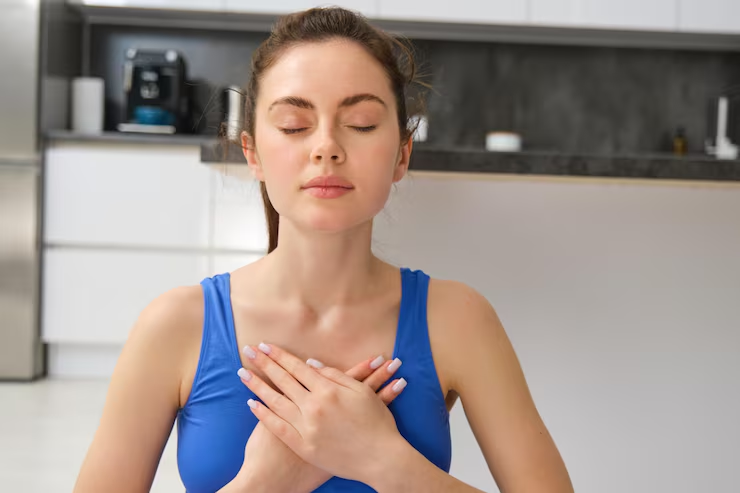
Diaphragmatic breathing, also called belly breathing, engages the diaphragm to maximize oxygen intake and improve lung efficiency. This technique reduces stress by activating the parasympathetic nervous system, calming the body and mind. Practicing daily helps enhance lung capacity and strengthens the diaphragm over time.
Benefits:
Improves lung capacity
Strengthens diaphragm
Reduces stress
Ingredients for Success:
Comfortable surface (bed or yoga mat)
Quiet environment
Time for 5–10 minutes of focused practice
How to Do: Lie on your back, place hands on your belly, inhale deeply through your nose, letting your abdomen rise, then exhale slowly through your mouth. Repeat for several cycles, focusing on full diaphragmatic expansion. Over time, this increases oxygen intake and respiratory efficiency. 🌬️
Pursed-Lip Breathing
Pursed-lip breathing slows exhalation, allowing fuller oxygen exchange and improving lung efficiency. It’s especially beneficial for those with shortness of breath or conditions like COPD. By controlling the breath, this exercise relaxes the chest muscles, reduces strain, and strengthens respiratory function over time. Practicing regularly enhances lung capacity, eases breathing difficulties, and promotes better oxygen delivery throughout the body, supporting overall lung health and endurance. This simple technique is an effective daily practice for maintaining optimal respiratory function.
Benefits:
Reduces shortness of breath
Strengthens lungs
Relaxes body
Ingredients for Success:
Quiet, seated or standing posture
Focused breathing awareness
Consistent daily practice
How to Do: Inhale gently through the nose for 2 counts, then exhale slowly through pursed lips for 4 counts. Maintain rhythm, keeping shoulders relaxed. Practicing this for 5–10 minutes daily improves oxygen efficiency and calms the nervous system. 🫁
Box Breathing
Box breathing is a disciplined technique involving equal phases of inhaling, holding, exhaling, and pausing. This method improves lung control, increases oxygen intake, and promotes cardiovascular and heart health. By calming the nervous system, it reduces stress and anxiety while enhancing mental focus and clarity. Practicing box breathing regularly strengthens respiratory muscles, supports efficient oxygen exchange, and helps maintain balanced heart rate and blood pressure. It’s a simple yet powerful exercise for both physical and mental well-being.
Benefits:
Enhances lung control
Calms the mind
Supports heart health
Ingredients for Success:
Quiet, comfortable sitting position
Timer or mental counting
Patience for gradual learning
How to Do: Inhale for 4 counts, hold for 4 counts, exhale for 4 counts, hold again for 4 counts. Repeat 5–10 cycles, focusing on even breaths. This technique balances oxygen and carbon dioxide levels, reducing stress and improving overall respiratory efficiency. 🌿
4-7-8 Breathing
The 4-7-8 breathing technique promotes deep relaxation by extending inhalation, holding, and exhalation phases. It enhances oxygen absorption, strengthens lung capacity, and calms the nervous system, effectively reducing anxiety and stress. Regular practice improves sleep quality, supports respiratory efficiency, and encourages mental clarity. Suitable for beginners and advanced practitioners alike, this method fosters a sense of calm while optimizing lung function. Incorporating the 4-7-8 technique into daily routines enhances overall wellness and respiratory health.
Benefits:
Reduces anxiety
Improves lung efficiency
Boosts sleep quality
Ingredients for Success:
Comfortable seated or lying position
Timer or mental counting
Focus on slow, controlled breaths
How to Do: Inhale through the nose for 4 counts, hold for 7 counts, exhale through the mouth for 8 counts. Repeat 4–6 cycles, emphasizing smooth and deep breaths. This improves oxygen utilization and calms the nervous system. 🌙
Alternate Nostril Breathing
Alternate nostril breathing balances oxygen flow, calms the nervous system, and enhances focus. It is especially effective for improving lung function and reducing mental stress, providing a holistic benefit to respiratory and mental health.
Benefits:
Improves lung function
Increases focus
Reduces stress
Ingredients for Success:
Comfortable seated posture
Hand positioning (for nostril control)
Quiet environment
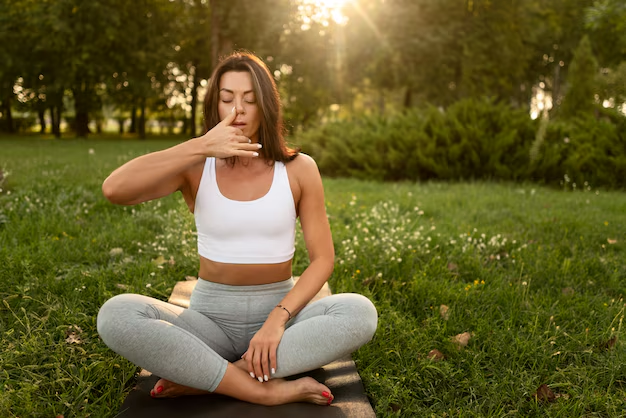
How to Do: Close the right nostril and inhale through the left, then close the left and exhale through the right. Continue alternating for 5–10 minutes. Practicing this daily balances oxygen distribution and promotes relaxation. 🧘♀️
Resonance Breathing
Resonance breathing regulates the frequency of inhalation and exhalation to maximize oxygenation and calm the body. It lowers blood pressure, enhances oxygen efficiency, and promotes deep relaxation, making it ideal for stress management.
Benefits:
Enhances oxygen efficiency
Lowers blood pressure
Relaxes body
Ingredients for Success:
Timer
Quiet environment
Comfortable posture
How to Do: Inhale for 5 counts, exhale for 5 counts. Repeat for 5–10 minutes daily. Focus on smooth, rhythmic breathing. Consistent practice improves lung efficiency and cardiovascular health. 🌬️
Deep Belly Breathing While Walking
Combining walking with controlled breathing enhances lung capacity and cardiovascular endurance. This technique improves stamina, strengthens respiratory muscles, and promotes better oxygen circulation throughout the body.
Benefits:
Improves endurance
Increases lung capacity
Supports cardiovascular health
Ingredients for Success:
Comfortable walking shoes
Open, ventilated area
Awareness of breathing rhythm
How to Do: Walk slowly, inhale deeply, exhale fully, maintaining a consistent rhythm. Focus on expanding the diaphragm with each step. Practicing for 15–20 minutes daily boosts lung efficiency and overall vitality. 🏃♂️
Singing or Humming Breathing

Controlled singing or humming strengthens respiratory muscles while promoting relaxation. This enjoyable exercise improves lung capacity, enhances vocal strength, and reduces stress levels, supporting both respiratory and mental health.
Benefits:
Enhances lung capacity
Improves vocal strength
Reduces stress
Ingredients for Success:
Quiet, comfortable space
Favorite songs or hum patterns
Awareness of breath control
How to Do: Sing or hum slowly, focusing on deep, controlled exhalations. Repeat for 10–15 minutes daily. Over time, this strengthens diaphragm muscles and increases oxygen intake. 🎵
Breath Holding Exercises
Breath holding exercises gradually increase lung tolerance and oxygen absorption. This method strengthens the diaphragm, improves endurance, and enhances overall lung efficiency, benefiting both daily activity and athletic performance.
Benefits:
Boosts lung endurance
Strengthens diaphragm
Increases oxygen efficiency
Ingredients for Success:
Comfortable seated or lying position
Timer
Gradual practice
How to Do: Inhale deeply, hold for 10–15 seconds, exhale slowly. Gradually increase hold times as capacity improves. Repeat 5–8 cycles daily to enhance oxygen utilization and lung strength. 🫁
Kapalabhati Breathing
Kapalabhati is a yogic breathing technique that detoxifies lungs and energizes the body. It strengthens respiratory muscles, clears toxins, and boosts energy levels, making it a powerful practice for lung and overall health.
Benefits:
Clears toxins
Strengthens lungs
Energizes body
Ingredients for Success:
Comfortable seated posture
Quiet, ventilated area
Focus on exhalation technique
How to Do: Perform rapid, forceful exhalations through the nose, followed by passive inhalations. Repeat 20–30 cycles. Practicing this daily improves lung strength, oxygen efficiency, and mental alertness. 🌬️
Conclusion
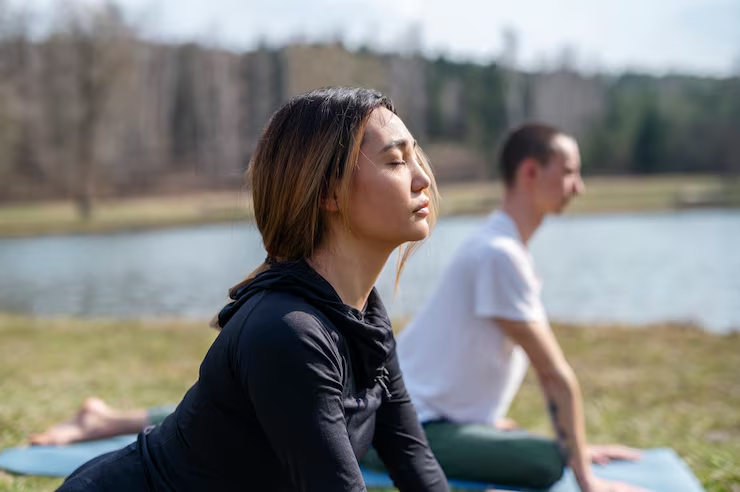
Focusing on breathing exercises for lung health is an essential step toward achieving optimal respiratory wellness. By incorporating techniques like diaphragmatic breathing, pursed-lip breathing, and Kapalabhati, individuals can increase lung capacity, strengthen respiratory muscles, and improve oxygen efficiency. 🌬️ These exercises also support cardiovascular health, mental clarity, and stress reduction, promoting overall well-being.
Consistent practice of breathing exercises for lung health prevents respiratory decline, improves stamina, and enhances endurance during physical activities. It is especially beneficial in today’s environment, where pollution and sedentary lifestyles negatively impact lung function. Simple routines performed daily can maintain lung elasticity, clear mucus, and boost immunity. Over time, these exercises help combat fatigue, anxiety, and respiratory discomfort, making them an essential wellness habit.
Integrating breathing exercises for lung health into your daily life ensures long-term respiratory protection and vitality. Pairing these exercises with healthy habits like regular physical activity, proper hydration, and a balanced diet enhances their effectiveness. 🌟 By dedicating a few minutes each day to mindful breathing, individuals can enjoy stronger lungs, improved energy, and a higher quality of life. Embracing these exercises today is a proactive approach to respiratory resilience and lasting wellness.
FAQ’s
Q1: How often should I perform breathing exercises for lung health?
A1: For optimal results, practice breathing exercises for lung health 10–20 minutes daily. Consistency enhances lung capacity, oxygen exchange, and overall respiratory wellness while reducing stress and fatigue.
Q2: Can breathing exercises improve lung health for smokers?
A2: Yes, breathing exercises for lung health help improve lung efficiency, strengthen respiratory muscles, and partially reverse the effects of smoking when combined with quitting tobacco.
Q3: Are breathing exercises safe for elderly individuals?
A3: Absolutely, breathing exercises for lung health are gentle and suitable for all ages. They improve oxygenation, support stamina, and enhance lung function without strenuous effort.
Q4: How long does it take to see benefits from these exercises?
A4: Practicing breathing exercises for lung health consistently for 3–4 weeks typically improves stamina, oxygen flow, and lung efficiency. Long-term benefits include better respiratory resilience.
Q5: Can these exercises help with respiratory illnesses like asthma?
A5: Yes, breathing exercises for lung health improve airflow, reduce shortness of breath, and strengthen the diaphragm, providing supportive benefits for asthma and other chronic lung conditions.
