

kidney health is one of the most essential steps for living a long, energetic, and disease-free life. Your kidneys act as the body’s natural filtration system, removing toxins, balancing fluids, and regulating blood pressure. 🩺 When your kidneys function well, they keep harmful substances out of your bloodstream and help maintain a healthy balance of electrolytes. Unfortunately, modern lifestyles—characterized by poor diet, dehydration, and excessive salt intake—can place tremendous stress on these vital organs. Understanding how to prioritize kidney health is the first step toward lifelong wellness.
Good kidney health not only protects against chronic conditions like kidney disease, but also enhances your overall vitality. Healthy kidneys regulate blood sugar levels, maintain bone strength, and support proper heart function. When kidneys are neglected, issues such as high blood pressure, urinary tract infections, and kidney stones can arise. The encouraging news is that simple lifestyle choices, such as staying hydrated, eating a balanced diet, and avoiding excessive salt and processed foods, can dramatically improve kidney health over time. 🌱
Investing in kidney health is not just about preventing disease; it’s about feeling stronger, more energetic, and resilient every day. By incorporating nutrient-rich foods, drinking enough water, and adopting healthy habits, you can protect your kidneys from unnecessary strain. Small actions like monitoring blood pressure, exercising regularly, and reducing sugar intake can create a significant positive impact. The following guide will highlight the best foods, habits, and preventive measures to improve kidney health naturally while enhancing overall well-being. 💪
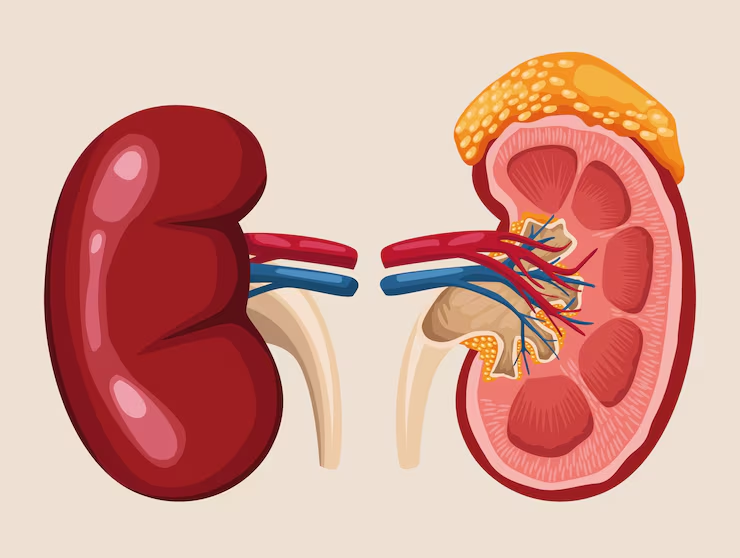
What is Kidney Health?
Kidney health refers to the proper functioning of your kidneys to filter blood, eliminate waste, and maintain the right balance of fluids and electrolytes in the body. Healthy kidneys keep your system clean and free of harmful toxins. 🩵 They also help regulate blood pressure, support red blood cell production, and keep bones strong by balancing calcium and phosphorus levels. Without good kidney health, toxins can accumulate, leading to fatigue, swelling, and serious medical conditions.
A person with strong kidney health enjoys stable blood pressure, normal urine output, and optimal energy levels. The kidneys work around the clock to remove urea, creatinine, and other waste products generated by food metabolism and daily activities. When these organs are cared for, they perform these vital tasks efficiently, preventing the buildup of harmful substances in the bloodstream. Regular hydration, balanced nutrition, and controlled salt intake are key components of keeping kidneys in peak condition.
Maintaining kidney health goes beyond avoiding disease—it ensures your entire body functions efficiently. From managing acid-base balance to aiding in vitamin D activation, kidneys play a critical role in everyday health. Proper kidney care also protects other organs, like the heart and liver, by preventing complications related to fluid retention and high blood pressure.
Why Kidney Health Matters
Protecting kidney health is crucial because kidneys filter about 50 gallons of blood each day. Their ability to remove toxins prevents waste buildup that can harm every organ in the body. 🧬 When kidneys are compromised, harmful toxins and excess fluids can accumulate, leading to fatigue, swelling, and even heart disease.
Good kidney health also reduces the risk of chronic conditions like diabetes and hypertension, which are leading causes of kidney failure. Proper hydration, a balanced diet, and regular exercise help maintain optimal kidney function. Individuals who prioritize kidney health enjoy better energy, clearer skin, and stronger immunity.
Neglecting kidney health can result in severe issues like kidney stones, infections, or chronic kidney disease (CKD). The encouraging news is that even small lifestyle changes—such as limiting processed foods, avoiding excessive caffeine, and reducing alcohol intake—can significantly improve kidney function and prolong kidney life.
Top Natural Ways to Improve Kidney Health
Stay Hydrated

Proper hydration is one of the most effective ways to maintain strong kidney health and overall well-being. Water supports the kidneys by flushing out toxins, diluting waste products, and preventing the buildup of harmful minerals that can lead to painful kidney stones. A well-hydrated body ensures the kidneys function smoothly without unnecessary strain.
Drinking enough water throughout the day also helps balance electrolytes and maintain proper blood pressure levels. This balance allows the kidneys to filter blood efficiently, reducing the risk of infections and chronic kidney disease. Consistent hydration is particularly important during hot weather or after exercise when the body loses fluids rapidly.
To stay hydrated, aim for 8–10 glasses of pure water daily and include hydrating foods like watermelon, cucumber, and oranges. Instead of waiting until you feel thirsty, sip water regularly to support optimal kidney filtration and keep your urinary system healthy and toxin-free.
Benefits:
Flushes waste and harmful toxins effectively
Reduces risk of kidney stone formation
Maintains healthy blood pressure and fluid balance
Ingredients/Tips:
Pure drinking water (aim for 8–10 glasses daily)
Hydrating fruits such as watermelon and cucumber
Herbal teas or lemon-infused water for added antioxidants
Eat Kidney-Friendly Foods
A diet rich in antioxidant-packed fruits and vegetables is essential for maintaining strong kidney health and preventing long-term damage. These nutrient-dense foods combat oxidative stress, a major factor in kidney cell aging and deterioration. By neutralizing harmful free radicals, antioxidants protect kidney tissues and promote healthy blood filtration.
Fruits such as blueberries, apples, and strawberries, along with leafy greens like kale and spinach, are excellent sources of vitamins C and E, potassium, and fiber. These nutrients help regulate blood pressure, reduce inflammation, and lower the risk of kidney stones. Regular consumption of such foods supports balanced fluid levels and overall renal function.
To maximize antioxidant power, include a rainbow of colorful produce in your daily meals. Add berries to breakfast, leafy greens to salads, and sweet potatoes to dinner plates. This variety ensures your kidneys receive the full spectrum of protective nutrients for long-lasting strength and efficient filtration.
Benefits:
Reduces inflammation and cellular damage
Prevents kidney stone formation
Supports healthy blood pressure and heart function
Ingredients/Tips:
Blueberries, strawberries, and blackberries
Leafy greens such as kale, spinach, and Swiss chard
Apples, sweet potatoes, and cruciferous vegetables like broccoli
Limit Salt Intake
Excess sodium is one of the leading dietary factors that can harm kidney health, as it raises blood pressure and forces the kidneys to work harder to filter waste. Over time, this strain can damage delicate kidney tissues, increasing the risk of chronic kidney disease and related complications.
Reducing salt intake helps maintain healthy blood pressure and protects kidney filtration efficiency. Instead of heavily salting your meals, use natural flavor enhancers like lemon juice, garlic, fresh herbs, and spices. These alternatives not only add taste but also provide beneficial antioxidants and nutrients that support overall wellness.
Making small, consistent changes—such as avoiding processed foods, reading nutrition labels, and choosing low-sodium options—can significantly lower your daily sodium intake. By embracing these habits, you can enjoy delicious, flavorful meals while safeguarding your kidneys from long-term damage and promoting better fluid balance throughout the body.
Benefits:
Lowers risk of hypertension
Protects blood vessels and kidney tissues
Supports balanced kidney filtration
Ingredients/Tips:
Fresh herbs such as basil, parsley, and rosemary
Lemon juice, vinegar, or lime for natural flavor
Spices like turmeric, black pepper, and cumin as salt substitutes
Manage Blood Pressure
High blood pressure is a major threat to kidney health because it damages the tiny blood vessels responsible for filtering waste from the blood. When these vessels become weakened or scarred, the kidneys struggle to remove toxins effectively, leading to a buildup of harmful substances and increasing the risk of chronic kidney disease.
Maintaining healthy blood pressure is essential for protecting kidney function. A balanced diet rich in fruits, vegetables, and low-sodium foods, combined with regular physical activity, helps keep blood pressure within a safe range. Stress management techniques such as deep breathing, meditation, and adequate sleep also play a vital role in maintaining cardiovascular and kidney health.
Regular monitoring of blood pressure at home or during checkups enables early detection of potential issues. Identifying changes early allows for lifestyle adjustments or medical interventions that can prevent kidney-related complications and ensure long-term filtration efficiency.
Benefits:
Prevents chronic kidney disease (CKD)
Reduces strain on kidney filters
Improves heart and vascular health
Ingredients/Tips:
Low-sodium, plant-based meals
Foods rich in potassium such as bananas and sweet potatoes (in moderation)
Daily exercise like brisk walking or yoga for natural blood pressure control
Eat More Plant Protein
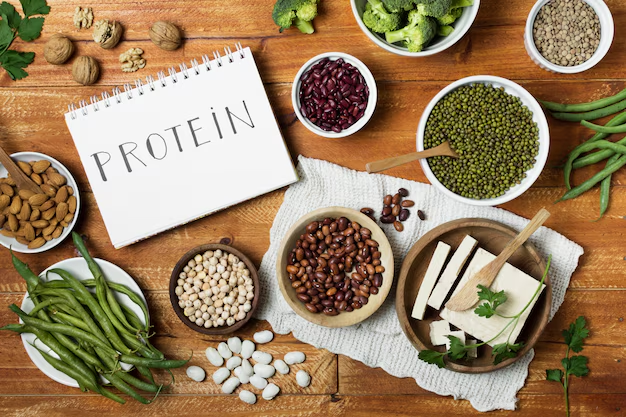
Plant-based proteins are a smart choice for supporting kidney health because they provide essential amino acids without creating excess acid or harmful byproducts that strain the kidneys. Unlike red meat, which can increase the workload on the filtration system, plant proteins are easier to process, helping the kidneys function more efficiently.
Foods such as lentils, chickpeas, quinoa, tofu, and beans deliver high-quality protein while also supplying valuable vitamins, minerals, and antioxidants. These nutrients reduce inflammation, stabilize blood pressure, and protect the kidneys from long-term damage. Including a variety of these foods in daily meals ensures you meet protein needs without overtaxing your kidneys.
In addition to kidney protection, plant-based proteins contain fiber that promotes healthy digestion and supports weight management. A balanced plant-based diet can lower the risk of diabetes and hypertension—two leading causes of kidney disease—making it an excellent choice for long-term kidney health and overall well-being.
Benefits:
Reduces kidney workload and filtration stress
Supports healthy tissue repair and muscle maintenance
Lowers risk of CKD progression
Ingredients/Tips:
Lentils, chickpeas, and black beans
Quinoa, tofu, and tempeh as meat alternatives
Nuts and seeds in moderation for added protein
Avoid Excess Sugar
Excess sugar consumption poses a serious threat to kidney health because it raises the risk of obesity and diabetes—two major causes of chronic kidney disease. High blood sugar levels damage the delicate blood vessels in the kidneys, reducing their ability to filter waste effectively and leading to long-term complications.
Limiting refined sugars such as candies, pastries, and sugary drinks helps maintain stable blood glucose levels and reduces stress on the kidneys. Choosing whole foods like fresh fruits, nuts, and yogurt provides natural sweetness along with essential nutrients that support healthy kidney function. These alternatives also help control cravings without spiking blood sugar.
Replacing processed sugar with natural sweeteners like honey, dates, or stevia can further protect kidney health while sustaining energy throughout the day. Consistent moderation, combined with a balanced diet, prevents kidney damage, supports proper filtration, and promotes overall wellness for long-term kidney protection.
Benefits:
Maintains stable blood sugar levels
Reduces risk of kidney damage from diabetes
Improves metabolism and overall vitality
Ingredients/Tips:
Fresh fruits like apples, berries, and oranges for natural sweetness
Natural sweeteners such as stevia or raw honey (in moderation)
Avoid soda, candy, and processed desserts
Exercise Regularly
Regular physical activity is essential for maintaining strong kidney health as it improves blood circulation, allowing kidneys to filter toxins and waste products more efficiently. Exercise also helps regulate blood pressure, reducing the strain on kidney blood vessels and lowering the risk of chronic kidney disease over time.
Controlling body weight through consistent activity is equally important for kidney protection. Excess weight increases the likelihood of developing diabetes and hypertension, both of which are major contributors to kidney damage. Incorporating activities such as walking, jogging, cycling, or swimming helps maintain a healthy weight while supporting overall cardiovascular health, which in turn benefits kidney function.
Consistency is key, so choose exercises you enjoy to stay motivated. Combining aerobic workouts with strength training or yoga can enhance flexibility, circulation, and endurance. By making regular physical activity a part of your routine, you support efficient kidney filtration, reduce disease risk, and improve overall vitality and well-being.
Benefits:
Reduces risk of diabetes and hypertension
Improves kidney filtration and detoxification
Boosts overall energy and immune function
Ingredients/Tips:
Brisk walking for at least 30 minutes a day
Yoga or Pilates to improve flexibility and blood flow
Cycling, swimming, or light strength training for variety
Avoid Smoking & Alcohol

Smoking and excessive alcohol consumption are major threats to kidney health. Both habits reduce blood flow to the kidneys, damage delicate kidney tissues, and increase the accumulation of harmful toxins. Over time, this strain can impair the kidneys’ ability to filter waste effectively, leading to chronic kidney disease and other health complications.
Quitting smoking and limiting alcohol intake can significantly improve kidney function and overall wellness. Removing these toxins from the body allows kidneys to operate more efficiently, reduces oxidative stress, and helps maintain healthy blood pressure. Even moderate alcohol consumption should be monitored carefully, as repeated exposure can still stress the filtration system and impact kidney performance.
In addition to protecting the kidneys, avoiding smoking and alcohol also benefits cardiovascular health, lung function, and immune system efficiency. Adopting a lifestyle free from these habits, combined with a balanced diet and regular exercise, ensures long-term kidney protection, reduces disease risk, and supports overall body health.
Benefits:
Reduces oxidative stress in kidney cells
Lowers blood pressure naturally
Protects kidney filtration function long-term
Ingredients/Tips:
Quit smoking with professional support or nicotine alternatives
Limit alcohol to occasional, moderate consumption
Replace alcohol with antioxidant-rich herbal teas or fruit-infused water
Get Regular Checkups
Routine kidney checkups are a vital part of maintaining strong kidney health. Even when no symptoms are present, early-stage kidney problems can develop silently. Regular blood and urine tests help identify issues such as elevated creatinine levels, protein in the urine, or reduced filtration rates, allowing for early intervention before serious damage occurs.
Preventive screenings are particularly important for individuals with risk factors like diabetes, high blood pressure, or a family history of kidney disease. Detecting abnormalities early enables healthcare providers to recommend lifestyle changes, dietary adjustments, or medications that can slow or prevent the progression of kidney damage. Regular monitoring also gives patients a clearer understanding of their kidney function over time.
Incorporating routine checkups into your healthcare schedule ensures timely management of potential problems and reinforces healthy kidney habits. By staying proactive, you protect your kidneys, maintain efficient filtration, and reduce the risk of long-term complications, supporting overall health and well-being.
Benefits:
Early detection of kidney disease
Prevents irreversible kidney failure
Allows for prompt and effective treatment
Ingredients/Tips:
Annual blood tests for creatinine and eGFR
Urine tests to check protein and filtration rates
Regular consultations with a healthcare provider
Maintain a Healthy Weight
Excess body weight places significant strain on the kidneys, making them work harder to filter blood and maintain fluid balance. Over time, this added pressure increases the risk of developing diabetes, high blood pressure, and chronic kidney disease, all of which can severely impair kidney function and overall health.
Achieving and maintaining a healthy weight is crucial for protecting kidney health. A balanced diet rich in fruits, vegetables, whole grains, and lean proteins provides essential nutrients while preventing excessive calorie intake. Proper nutrition helps regulate blood sugar and blood pressure, reducing the workload on the kidneys and lowering inflammation throughout the body.
Consistent physical activity complements healthy eating by improving circulation, supporting weight management, and enhancing kidney filtration. Combining regular exercise with mindful nutrition promotes long-term kidney function, prevents disease, and boosts overall vitality. Maintaining a healthy weight is a practical and effective strategy to ensure strong, resilient kidneys for years to come.
Benefits:
Lowers stress on kidney filtration systems
Reduces inflammation and oxidative damage
Supports balanced hormone and electrolyte levels
Ingredients/Tips:
Balanced meals with whole grains, vegetables, and lean proteins
Portion control to prevent overeating
Daily physical activity such as walking, cycling, or light strength training
Conclusion
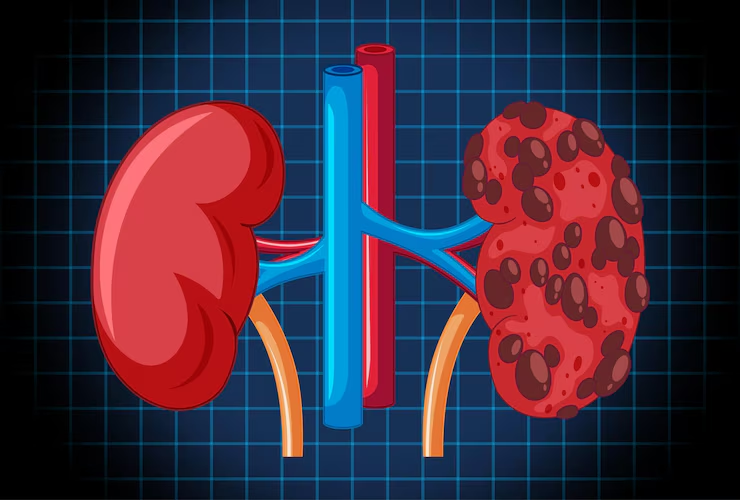
Prioritizing kidney health is a lifelong commitment that rewards you with better energy, clearer skin, and a stronger immune system. 🥗 Your kidneys work tirelessly to cleanse your blood, eliminate waste, and regulate key body functions. By making simple lifestyle changes like staying hydrated, eating a balanced diet, and exercising, you can dramatically reduce your risk of kidney disease and related complications.
Strong kidney health not only protects your kidneys but also benefits your heart, bones, and overall wellness. Whether it’s limiting salt intake, avoiding processed foods, or incorporating antioxidant-rich meals, every positive choice supports your kidneys’ ability to filter blood and maintain balance. Consistency in these habits ensures long-term benefits.
Incorporating the above strategies into daily life creates a powerful foundation for lasting kidney health. Remember, small steps like drinking enough water, avoiding smoking, and getting regular checkups can protect your kidneys for decades. Start today to enjoy a healthier, stronger, and more vibrant life.
FAQs
Q1. How much water should I drink daily to maintain kidney health?
Drinking 8–10 glasses of water each day is recommended to flush toxins, regulate fluids, and reduce kidney stone risk. Hydrating foods like cucumbers and watermelons also support kidney health naturally.
Q2. Can exercise improve kidney health?
Yes. Regular exercise improves blood circulation, controls blood pressure, and reduces diabetes risk—all crucial for maintaining healthy kidneys and preventing chronic kidney disease.
Q3. Which foods are best for kidney health?
Berries, leafy greens, apples, cauliflower, and sweet potatoes are top choices. These foods provide antioxidants, fiber, and essential vitamins that support kidney function and protect against inflammation.
Q4. How does salt intake affect kidney health?
Excess sodium increases blood pressure, forcing kidneys to work harder. Reducing salt by using herbs and spices helps lower strain and maintain optimal kidney health.
Q5. What are early signs of poor kidney health?
Fatigue, swelling in the ankles, frequent urination, and foamy urine are early warning signs. Regular medical checkups help detect and manage these symptoms before serious damage occurs.