

Postpartum exercise focuses on rebuilding strength, improving circulation, and supporting emotional well-being after pregnancy and childbirth. Rather than striving to “bounce back” quickly, postpartum exercise encourages gentle, progressive movements that respect the changes your body has undergone. Starting with activities like walking, pelvic floor strengthening, and light stretching helps improve core stability and reduce discomfort. Over time, incorporating low-impact cardio, resistance training, and mindful breathing enhances energy levels, boosts mood, and promotes long-term health.
When done properly, postpartum exercise offers many benefits: it helps with pelvic floor recovery, reduces risk of urinary incontinence, improves posture, relieves back pain, lifts mood, supports cardiovascular health, and helps manage weight gently. Yet, safety and timing are key. Each person’s recovery is different: factors like type of delivery (vaginal vs caesarean), presence of complications, healing of tears, energy levels, support system, prior fitness all matter.
In this article you’ll find 8 top tips for postpartum exercise — each explained in detail with what to do, how to do it, what it helps, and what you need. Then a conclusion, plus 5 FAQs to address common concerns and questions. Whether you’re just a few days or several months post‑delivery, there are safe, effective ways to include postpartum exercise that feel doable and nourishing rather than overwhelming.
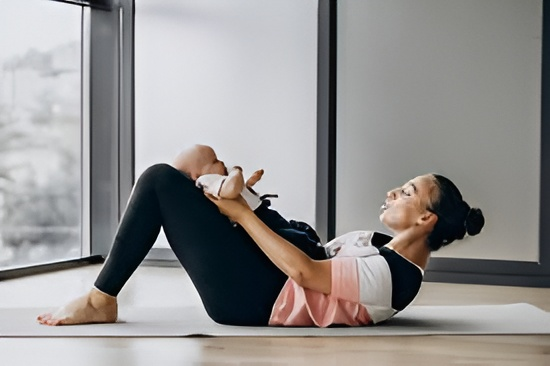
What is Postpartum Exercise?
Postpartum exercise refers to a specific type of physical activity tailored for women after childbirth. The primary goal is to help the body recover from pregnancy and delivery, rebuild strength, and restore overall fitness. Postpartum exercise focuses on gentle, low-impact activities that address the body’s most affected areas, such as the pelvic floor, core muscles, and cardiovascular health. This kind of exercise also promotes emotional well-being and recovery by increasing energy and reducing stress, which is particularly beneficial during the demanding early stages of motherhood.
How Postpartum Exercise Works
In the first weeks after childbirth, postpartum exercise usually starts with gentle movements like walking, pelvic floor exercises (Kegels), and breathing techniques. These exercises focus on rebuilding the pelvic muscles, which undergo significant strain during pregnancy and delivery. Gradually, postpartum exercise can progress to more intense routines, like strength training or aerobic exercises, depending on how the body feels. Starting slow and listening to your body is key to avoiding injury and supporting long-term recovery.
Benefits of Postpartum Exercise
The benefits of postpartum exercise go beyond physical recovery. These exercises help new mothers regain core strength, improve posture, and reduce back pain that often occurs after childbirth. Additionally, postpartum exercise helps strengthen the pelvic floor, which can prevent incontinence and improve bladder control. Mental health is another important benefit, as regular physical activity is known to release endorphins, helping to reduce symptoms of postpartum depression and anxiety.
Incorporating Postpartum Exercise Into Daily Life
Incorporating postpartum exercise into daily life can feel challenging for new moms. However, with planning and flexibility, it’s possible to make it a consistent part of the routine. Simple activities like taking walks with the baby, practicing yoga, or engaging in light strength training while the baby naps can fit into a busy schedule. Start with small, manageable goals, and gradually increase intensity as your body becomes stronger. The key is consistency, so prioritize regular activity, even if it’s just 10-15 minutes per day.
Top Tips for Postpartum Exercise
Get Medical Clearance First
After giving birth, before you begin any postpartum exercise routine, it’s essential that you get clearance from your healthcare provider. If your delivery was uncomplicated (vaginal birth, no tears or minimal), you may be able to start light activity (walking, gentle pelvic floor work) within a few days. But if you had a caesarean, significant tearing, complications with placenta, or other issues, healing must be given priority. This step ensures that your body is ready; rushing availability can lead to pain, delayed recovery, or worse.
Your doctor or midwife can guide you on what kind of postpartum exercise is safe and when. For instance, many guidelines suggest waiting until your 6‑week postpartum check before doing high‑impact workouts or core‑intensive movements, especially if abdominal separation (diastasis recti) is present. During this waiting period, gentle movement like walking, stretching, gentle pelvic floor work is better. Starting too soon could strain healing tissues, increase bleeding, or worsen pelvic floor dysfunction.
Benefits
✅ Prevents injury or strain by ensuring tissues have healed
✅ Helps avoid complications like increased bleeding or reopening of incisions
✅ Gives confidence that you are exercising safely
Ingredients / What You Need
🩺 A check‑up appointment with your healthcare provider
📝 Clear guidance: what movements to avoid, when to begin
⏳ Patience and willingness to “listen to your body”
Start Gentle — Prioritize Pelvic Floor and Core Recovery
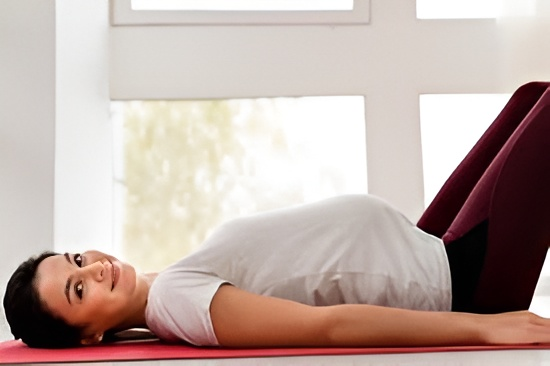
One of the foundations of postpartum exercise is rebuilding the core and pelvic floor muscles. These are stretched and weakened during pregnancy and delivery. A gentle approach means starting with pelvic floor exercises (often called Kegels), diaphragmatic breathing, pelvic tilts, heel slides, basic core activation movements. These can often be done lying, seated, or on hands and knees. Postpartum exercise that starts gently helps restore stability, reduce discomfort, and prevent long term issues like prolapse or urinary leakage.
These gentle core‑and pelvic floor focused postpartum exercises should be done regularly, but always respecting pain, fatigue, or any signs of discomfort. Moving too aggressively too soon can make recovery harder or slower. As strength builds, gradually more challenging core work can be added (for example, planks, modified side planks), always ensuring correct form and control. Maintaining awareness of breathing, alignment, and not holding breath is important.
Benefits
✅ Stronger pelvic floor = better bladder control, less risk of leakage
✅ Improved posture and less back pain
✅ Core stability helps with everyday tasks (lifting baby, carrying items)
Ingredients / What You Need
🧘 Simple core activation exercises: pelvic tilts, diaphragmatic breathing, heel slides
🕒 Daily or multiple times per day practice, but only as tolerated
📏 Mirror or feedback to check alignment, or a capable instructor/physio
Incorporate Low‑Impact Aerobic Movement
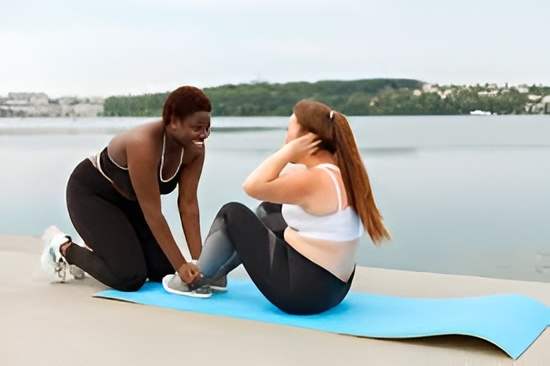
Postpartum exercise should include gentle aerobic movement before stepping up into more intense cardio. Walking is perhaps the easiest entry point: even short walks with baby in pram or sling, a few minutes at a time, then gradually increasing. Other low-impact options: swimming (once cleared and after bleeding stops), stationary biking, water aerobics. These are less stressful to joints while helping increase circulation, cardiovascular fitness, mood, energy.
Low‑impact aerobic postpartum exercise supports recovery of the heart and lungs without overburdening recovering muscles and joints. This kind of movement also helps reduce postpartum fatigue, improve sleep quality, release endorphins, and support mental wellness. It can be broken into small bouts (for example, 10 minutes several times a day) which is helpful when caring for a newborn. Over time the duration or pace can be increased based on comfort, healing, and fitness level.
Benefits
✅ Boosts cardiovascular health and stamina
✅ Increases energy levels and mood, fights postpartum depression or “baby blues”
✅ Aids gentle calorie burn for weight management
Ingredients / What You Need
👟 Comfortable supportive shoes
🚶 Safe walking route or access to pool / bike, depending on option chosen
⏱ Time blocks that fit baby’s schedule; small, manageable sessions
Progress Gradually — Increase Intensity Safely
As your body heals and gains strength, it’s important to progress gradually with your postpartum exercise routine. What’s easy at first may later become too easy, but rushing the progression (too much weight, high intensity, high impact) can lead to injury, setback, or worsening of issues like pelvic floor weakness or diastasis recti. Gradual increases in duration, intensity, resistance, complexity of movements are safer and more sustainable.
For example, after gentle core work and low‑impact aerobic activity for several weeks, you might add resistance exercises: bodyweight squats, lunges, modified push‑ups, gentle strength bands. Always monitor how your body feels: is there pain, swelling, increased bleeding, or other signs that you pushed too much? Also allow rest days, alternate stronger days with lighter movement. Using “progression” in postpartum exercise means listening to cues your body gives: fatigue, soreness, recovery, sleep, mood.
Benefits
✅ Builds lasting strength rather than temporary gains
✅ Reduces risk of injury or regression
✅ Helps you reach higher fitness levels in the long run
Ingredients / What You Need
🏋️♀️ Basic resistance tools: bodyweight, resistance bands, small weights if ready
📆 A plan or schedule that allows gradual increments over weeks
💬 Close connection with your body: soreness vs pain; rest when needed
Focus on Posture, Alignment, and Breath
During pregnancy, your posture changes (center of gravity shifts, spine curves, shoulders, hips) and breathing patterns may adapt. After childbirth, these changes often linger, causing back pain, neck tightness, or inefficient movement. Incorporating posture awareness and breathing patterns into postpartum exercise helps realign your body, reduce discomfort, improve core engagement, and support more efficient movement.
Breathing deep (diaphragmatic breathing) helps activate your core and pelvic floor. Also, exercises like cat‑cow, child’s pose, shoulder blade squeezes, gentle spinal twists (once cleared), help restore mobility and relieve tension. Aligning hips and shoulders properly during strength or core work ensures that one side of body isn’t over‑compensating. Good posture also helps with carrying the baby, feeding, bending, lifting, preventing long‑term aches.
Benefits
✅ Better core activation which helps in all postpartum exercise
✅ Reduced back, neck, and shoulder pain
✅ More efficient breathing, better oxygen flow, improved relaxation
Ingredients / What You Need
🧘 Yoga or mobility practices, stretches, posture drills
👀 Mirror or feedback to ensure alignment
🧘♀️ Breathing exercises (diaphragmatic inhaling/exhaling)
Prioritize Rest, Recovery & Nutrition

Postpartum exercise must go hand in hand with good rest, sleep (as much as possible), and proper nutrition. Without enough recovery, tissues can’t heal well, fatigue increases, mood suffers, risk of burnout goes up. Your body has just done a huge job. Supporting it with rest is as important as the exercise itself.
Nutrition: consuming adequate calories (especially if breastfeeding), enough protein, vitamins and minerals is essential. Hydration matters too. Recovery practices like gentle stretching, foam rolling (if comfortable), massage, or physiotherapy can help. Also, take rest days — or easier days — interspersed with more active ones. Listening to fatigue cues is vital. If you feel overly sore, dizzy, or exhausted, scale back postpartum exercise accordingly.
Benefits
✅ Speeds up healing of muscles, tissues, and any perineal or abdominal wounds
✅ Helps maintain energy and avoid mood crashes or postpartum depression
✅ Supports sustainable weight loss and long‑term fitness
Ingredients / What You Need
🍏 Balanced diet: protein, whole grains, healthy fats, vegetables, fruits
💧 Plenty of water throughout day, especially before/during/after exercise
🛌 Sleep or rest periods; active recovery
Use Safe Exercise Modalities & Avoid Risky Movements
Not all movements are safe immediately postpartum. It’s important in postpartum exercise to avoid high‑impact, high‑strain, or high‑compression movements until cleared. These include heavy lifting too soon, intense core twists, jumping, running (if pelvic floor or core still weak), certain abdominal work if diastasis recti is present without correction, or any movements causing pain or discomfort.
Safe modalities might include walking, swimming, low‑impact aerobics, yoga designed for postpartum, Pilates focused on core and stability, resistance training with light load, baby‑and‑me class. Using proper form, avoiding breath‑holding during exertion, bracing core gently, avoiding sudden jerky motions are all key. Also, called “progressive overload” only once basic strength and control has returned.
Benefits
✅ Prevents setbacks such as increased pain, hernia, pelvic organ prolapse
✅ Builds confidence in movement capability
✅ Provides sustainable, injury‑free progression
Ingredients / What You Need
🔍 A coach, physical therapist, or instructor knowledgeable in postpartum exercise
⚠️ Awareness of warning signs (pain, bleeding, incontinence, prolapse)
🧮 Low‑impact tools (bands, bodyweight, light weights)
Integrate Postpartum Exercise into Daily Life & Stay Motivated
Many new mothers find time, energy, or motivation are biggest obstacles. Integrating postpartum exercise into your daily life can help: use baby’s nap times, walks with pram, carry your baby in a sling (if safe), combine core ex and pelvis exercises while feeding, stretching while baby plays nearby. Making it social (with other moms) or fun (music, outdoors, classes) can boost motivation.
Goal‑setting helps: small, realistic goals (for example, 10 minutes, 2‑3 days a week), tracking progress, celebrating small improvements. Also trying different modalities so monotony doesn’t lead to abandoning the routine. Give yourself grace: some days will be better than others. Having support (partner, family, friends) for childcare, encouragement, or just someone to walk with helps.
Benefits
✅ Makes postpartum exercise more consistent and manageable
✅ Reduces stress and increases enjoyment and wellbeing
✅ Helps mental health through feelings of achievement and routine
Ingredients / What You Need
📅 A simple schedule or reminders in your planner or phone
👶 Baby equipment if needed (pram, sling)
🤝 Social support or accountability partner
Conclusion
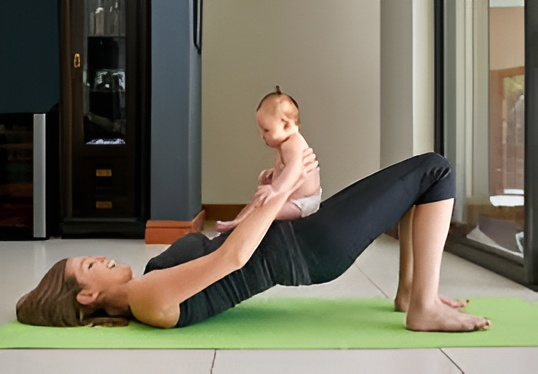
Postpartum exercise is a powerful tool not just for physical recovery, but for mental and emotional health. It is not about rushing back into pre‑pregnancy routines or comparing with others, but about gradual progress, safety, and kindness to your body. By following medical guidance first, rebuilding core and pelvic floor strength, incorporating gentle aerobic movement, progressing carefully, and integrating posture, rest, nutrition and motivation, postpartum exercise can help you heal, regain strength, and feel more like yourself again.
As you embark on this journey, remember that every body is different, every recovery timeline unique. What matters most is listening to your body, being patient, and letting yourself take the time you need. Celebrate small wins: being able to walk further, feeling stronger when lifting your baby, less pelvic pressure, better mood. These are the true indicators of progress in postpartum exercise.
Ultimately, postpartum exercise is a gift you give yourself — a foundation for long‑term health. When your body heals well now, it sets you up to be more resilient, have more energy, be more present, and better care for your child. Be proud of every step forward, however small.
FAQs
Here are some common questions about postpartum exercise, with answers.
Q1. When can I safely start postpartum exercise after a vaginal birth or C‑section?
You can begin very gentle movement almost immediately after a vaginal birth—walking, pelvic floor exercises, breathing work—once you feel physically okay and your healthcare provider gives you the green light. If you had a caesarean, heavy tearing, or complications, you usually need more recovery time; many providers recommend waiting until your 6‑week postpartum check, but some gentle exercises might still be possible earlier with professional guidance.
Q2. How do I know if I’m doing postpartum exercise too soon or doing too much?
Signs include increased pain (especially in your pelvis, abdomen, incision site), bleeding that gets heavier again, increased swelling, urinary incontinence that worsens, feeling exhausted rather than energized. Sore muscles are okay; sharp pain or discomfort are red flags. Always reduce intensity, rest, and seek advice if you notice worrying symptoms.
Q3. What if I have a diastasis recti (separation of abdominal muscles)?
Diastasis recti is common. Start with safe core activation, avoid crunches or exercises that push the belly outward until the gap reduces under control. Use gentle core work like pelvic tilts, heel slides, transverse abdominis engagement, breathing, modified planks when safe. A physical therapist or instructor specialized in postpartum recovery can guide you.
Q4. Will postpartum exercise affect milk supply if I’m breastfeeding?
Typically, moderate postpartum exercise does not negatively impact milk supply, as long as you maintain proper nutrition, stay hydrated, and ensure enough caloric intake. HighIntensity or excessive exercise can sometimes temporarily affect milk let‑down in some individuals; so monitoring how you feel, whether baby seems satisfied, and fueling appropriately helps. If any issues arise, consult with a lactation consultant.
Q5. How do I stay motivated and consistent with postpartum exercise?
Set small realistic goals → short time slots rather than long sessions. Use baby’s schedule to your advantage (nap times, stroller walks). Find what you enjoy (walking, yoga, classes). Get support (partner, friends, groups). Track progress — maybe you notice less pain, better posture, improved mood. Be kind to yourself: some days will be better; consistency over perfection wins.